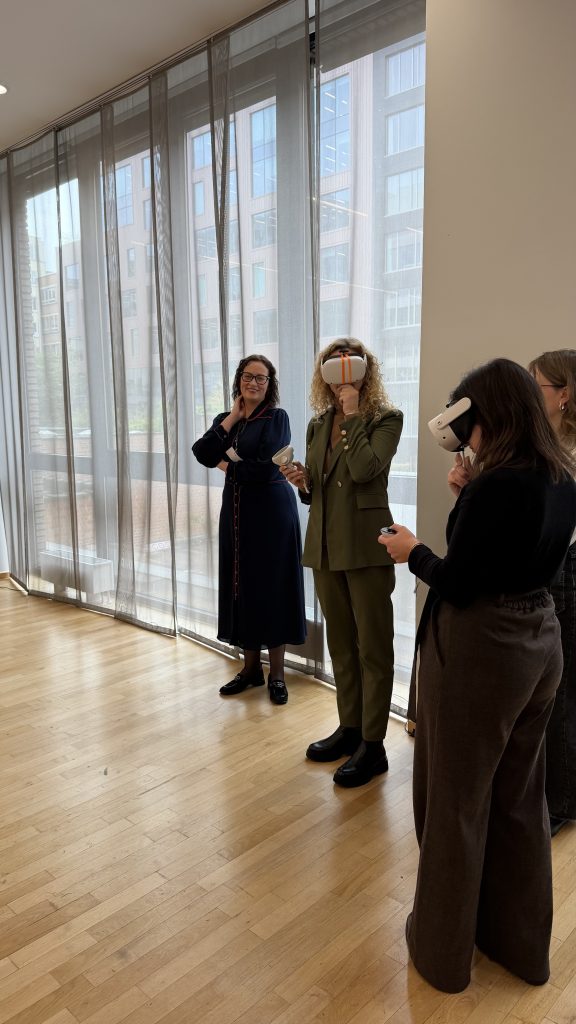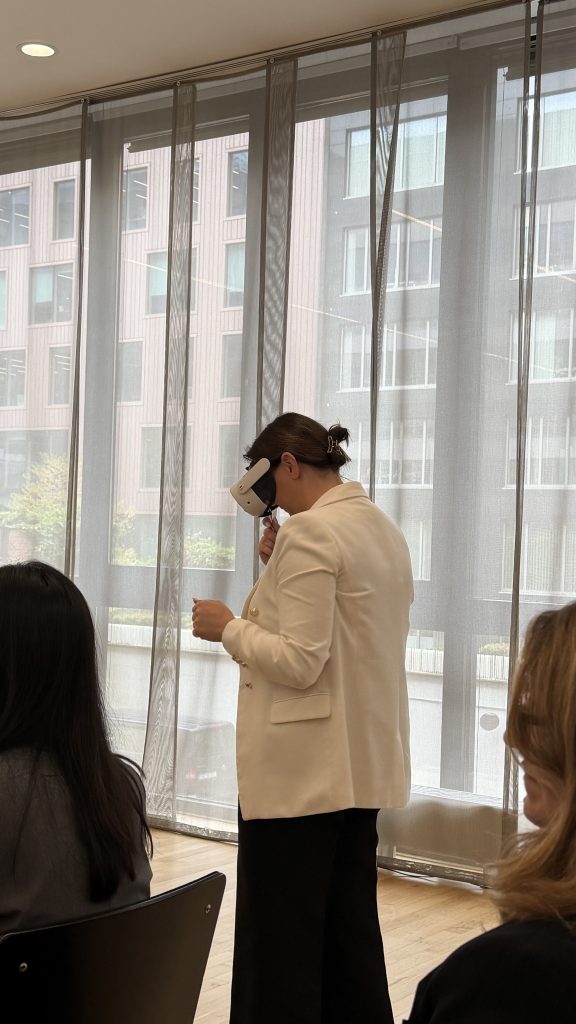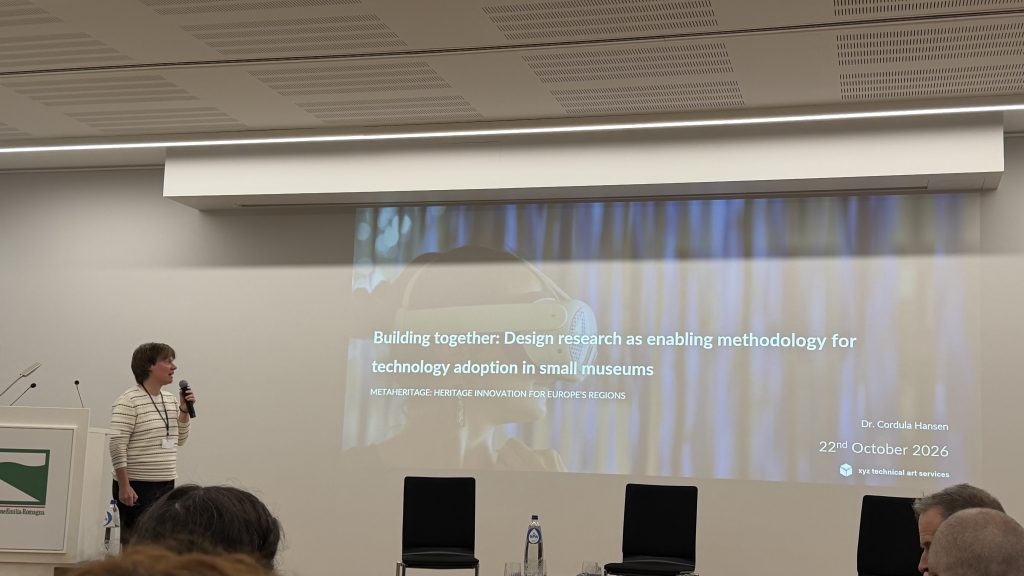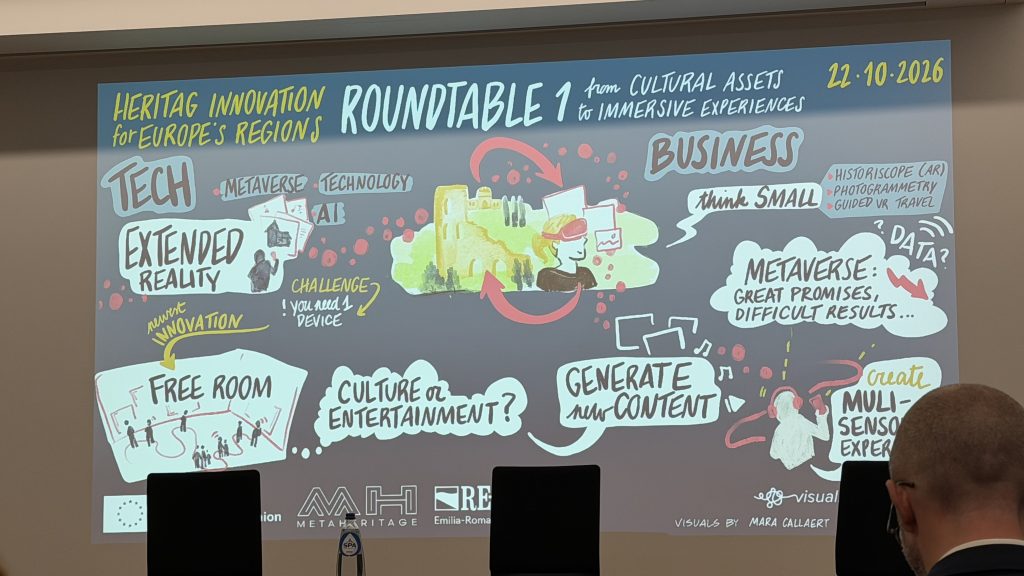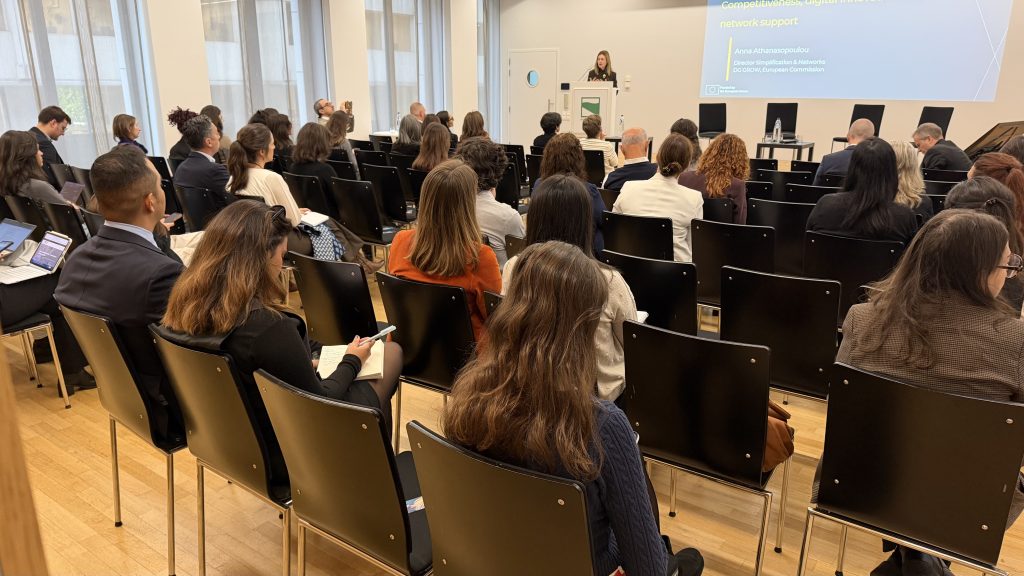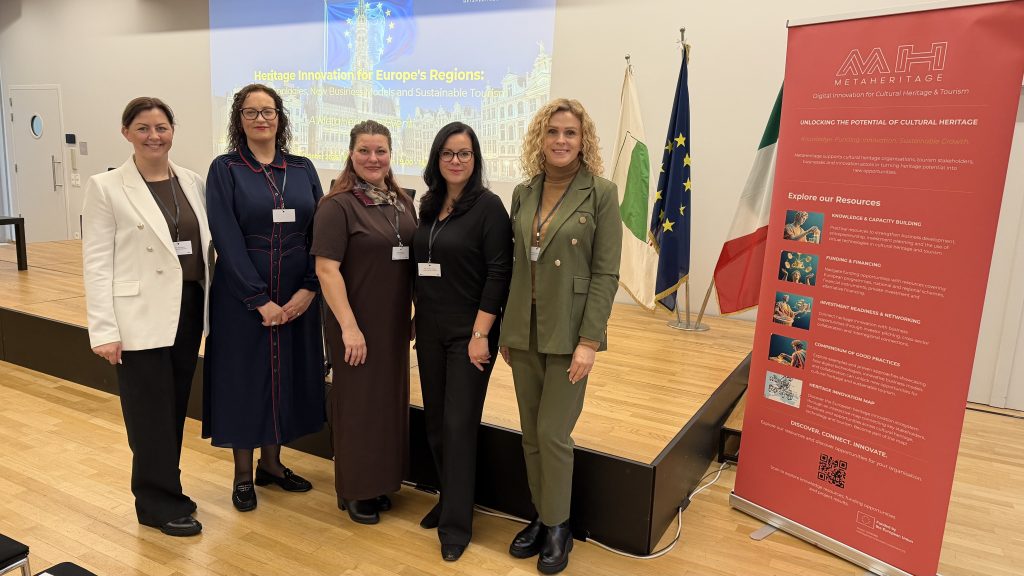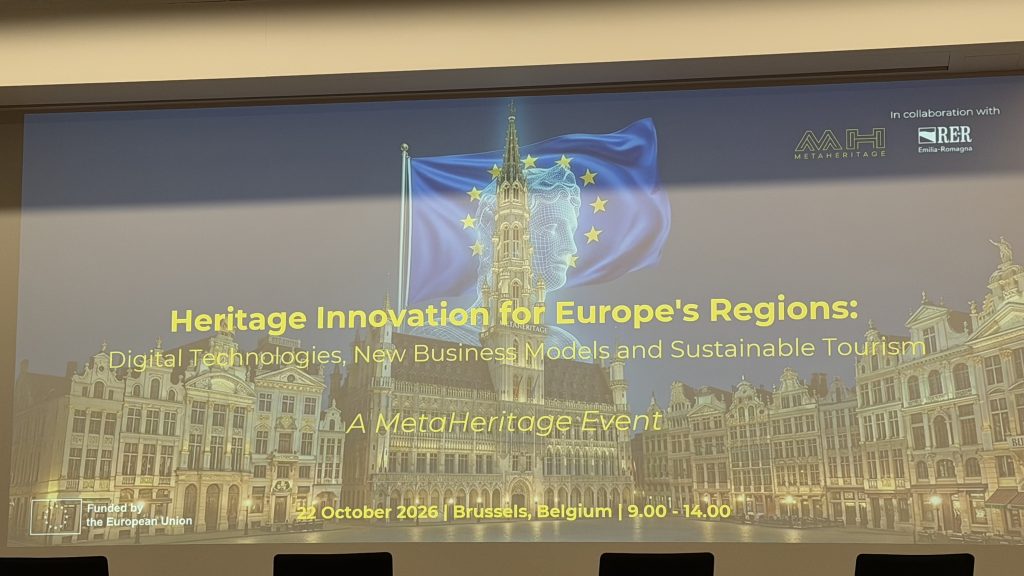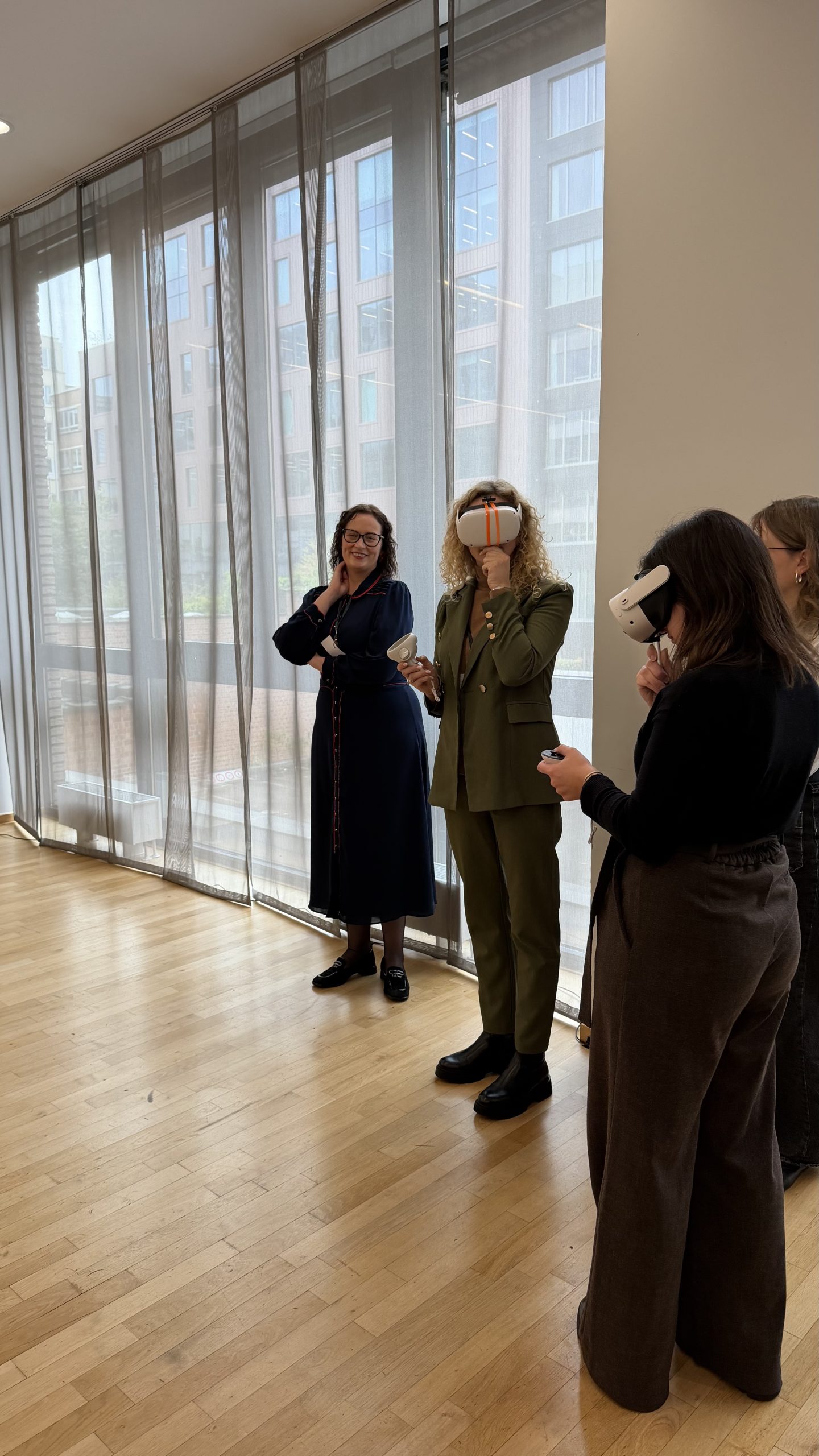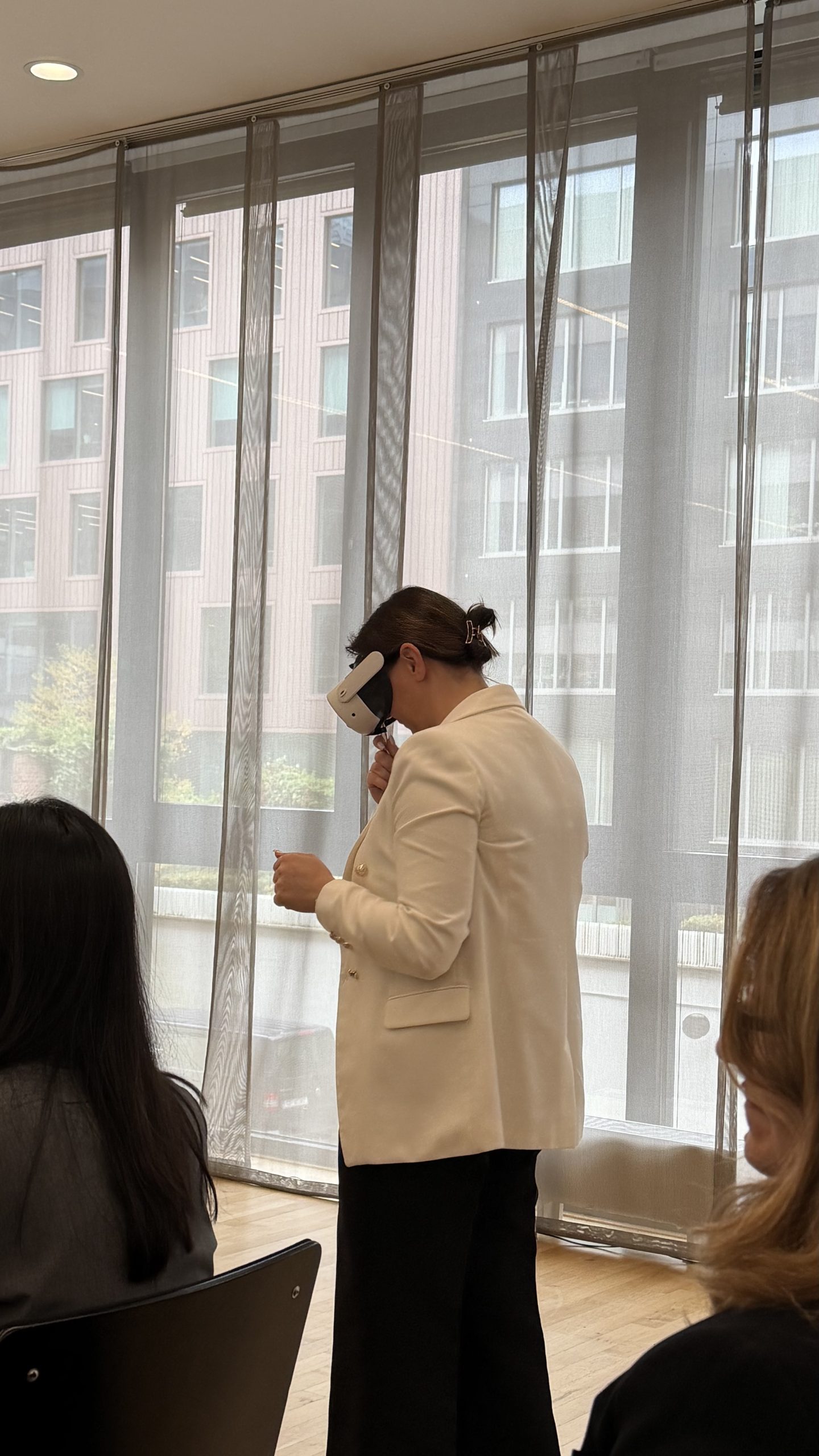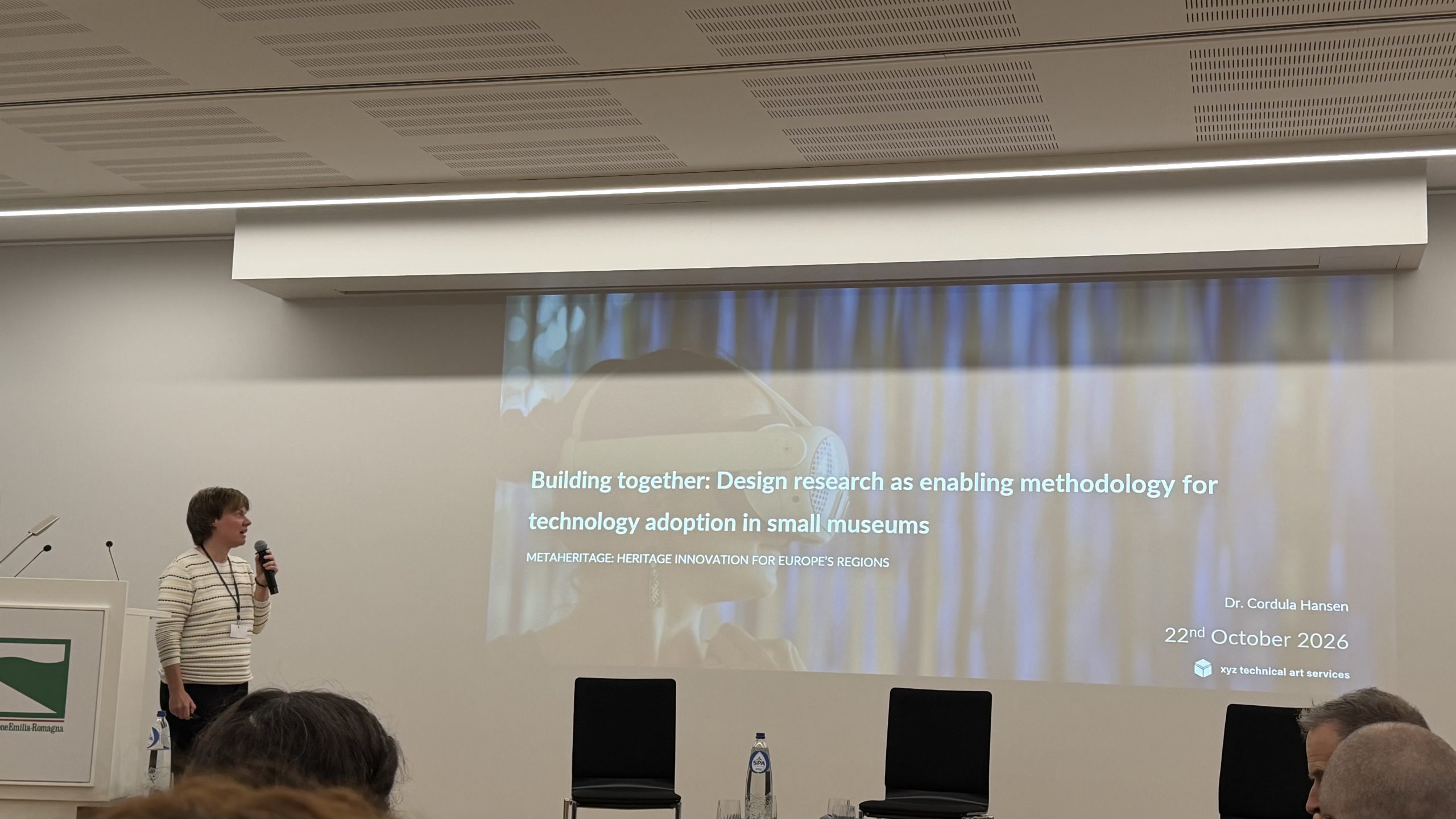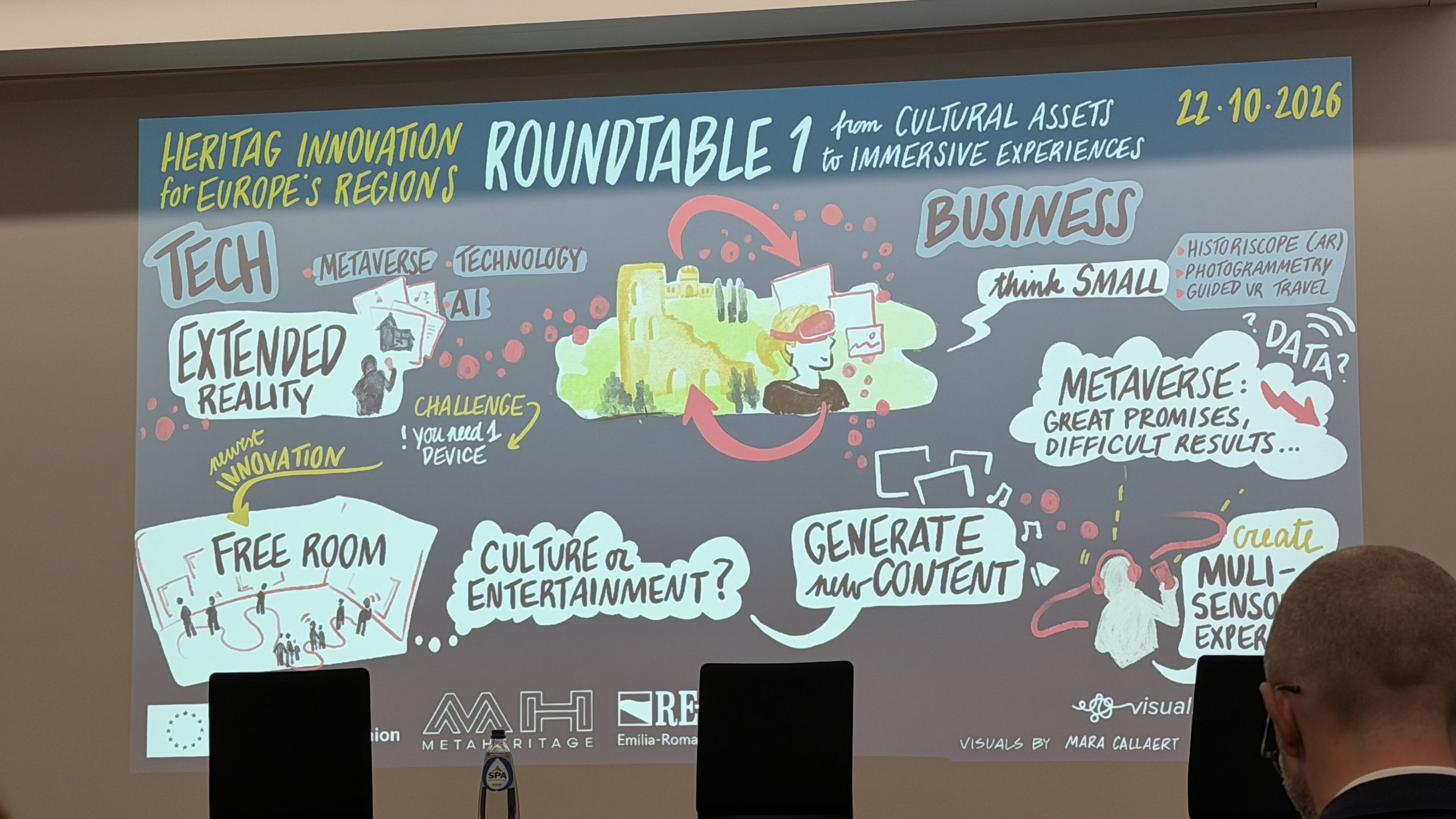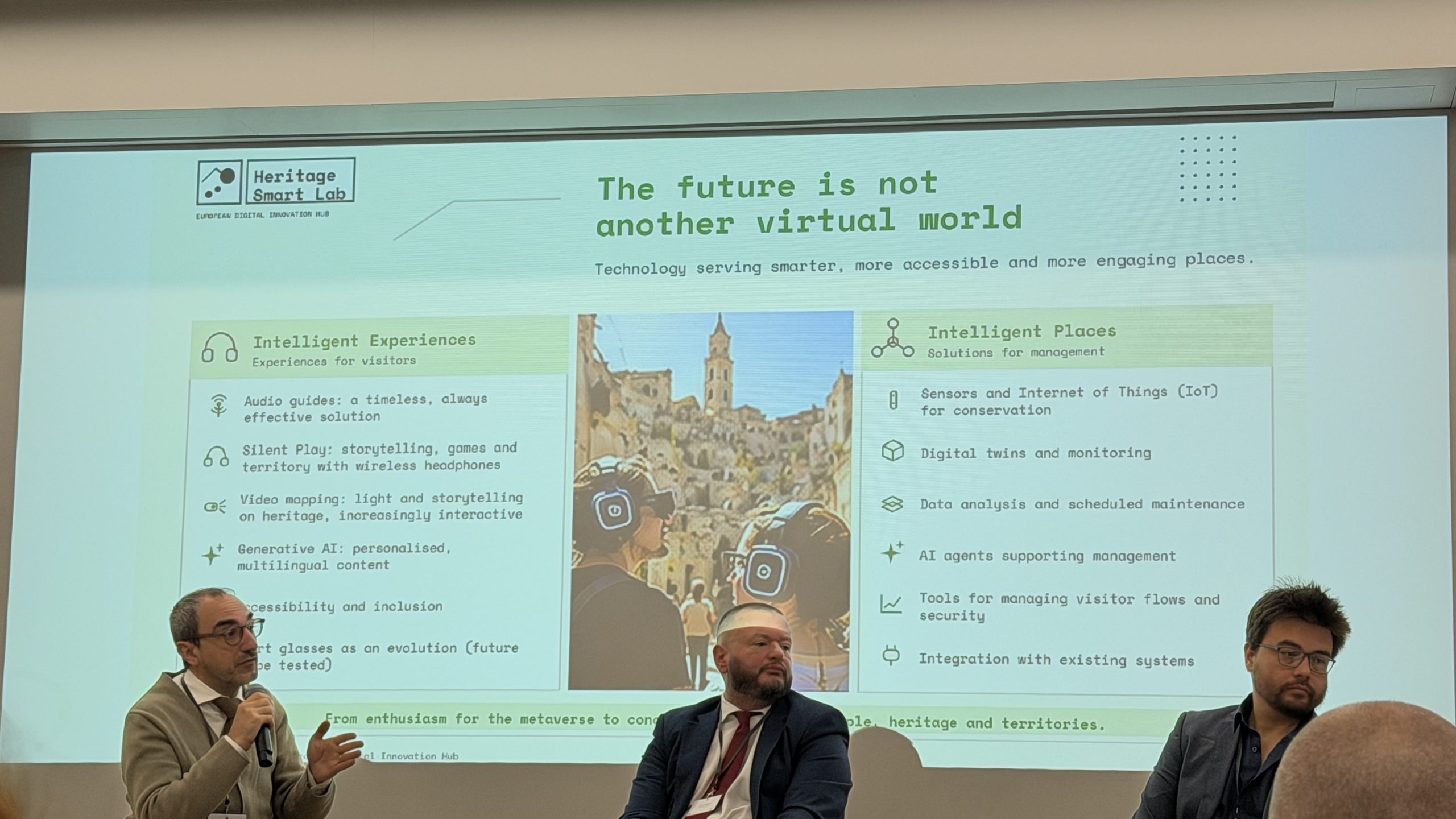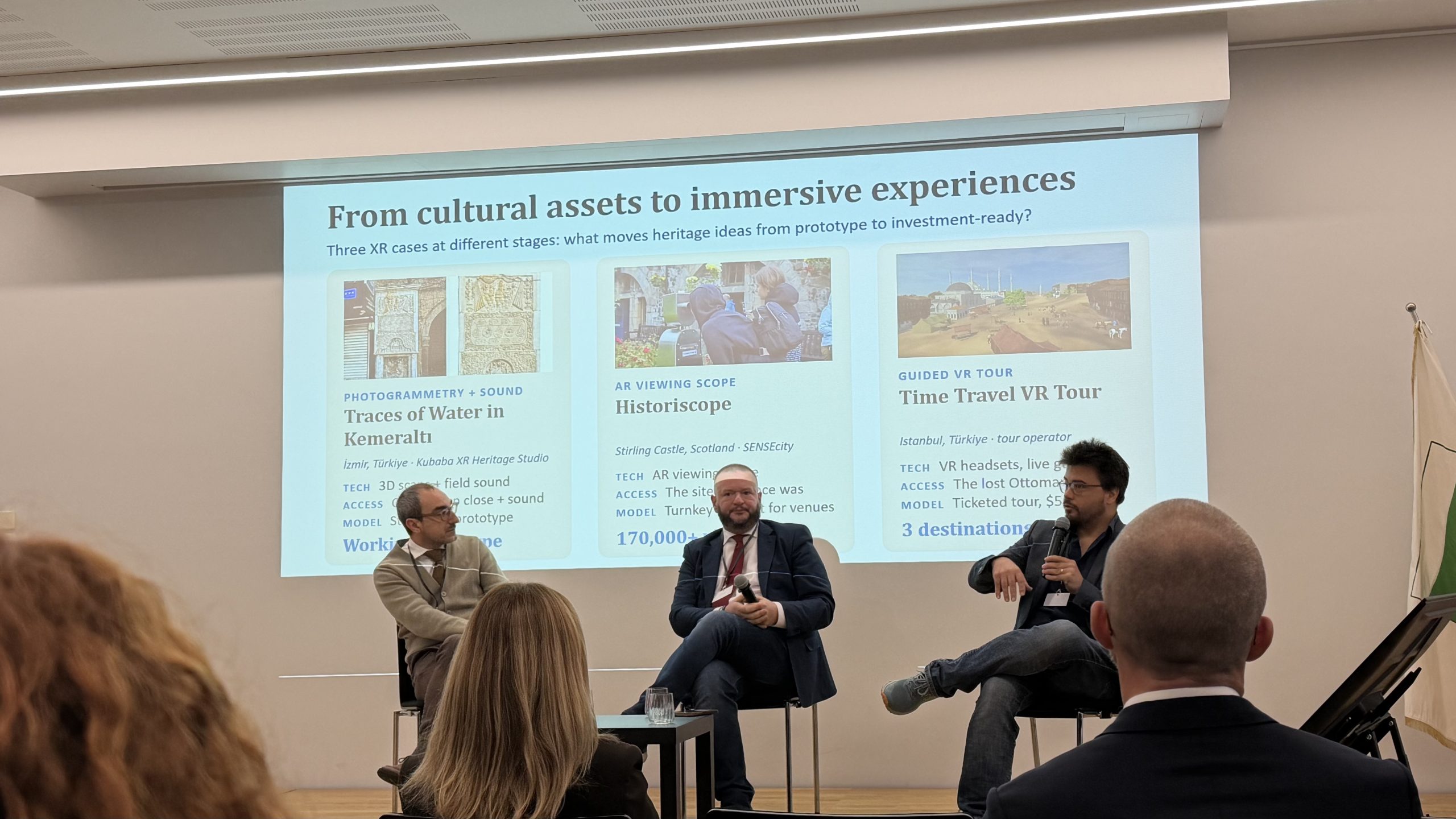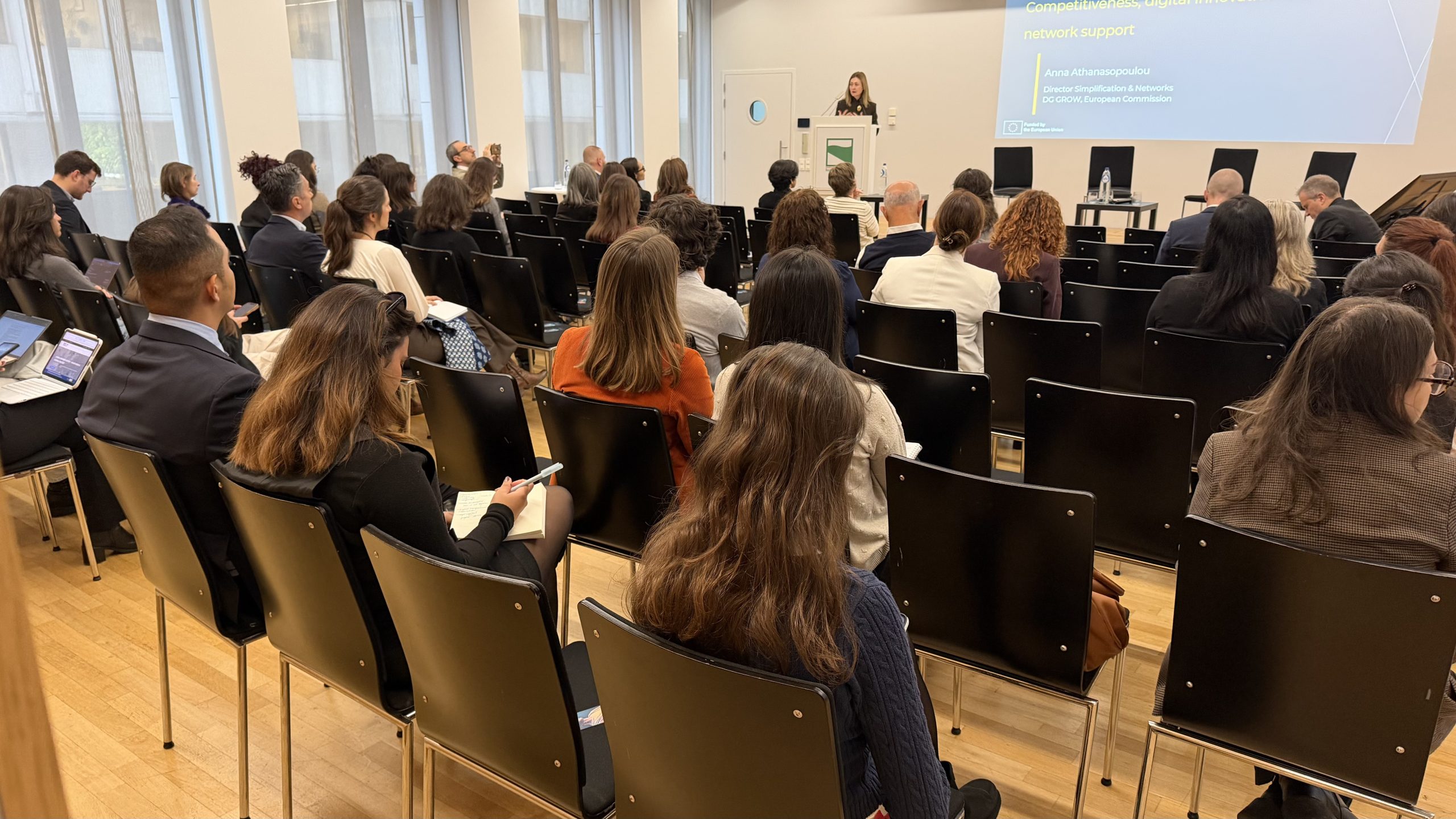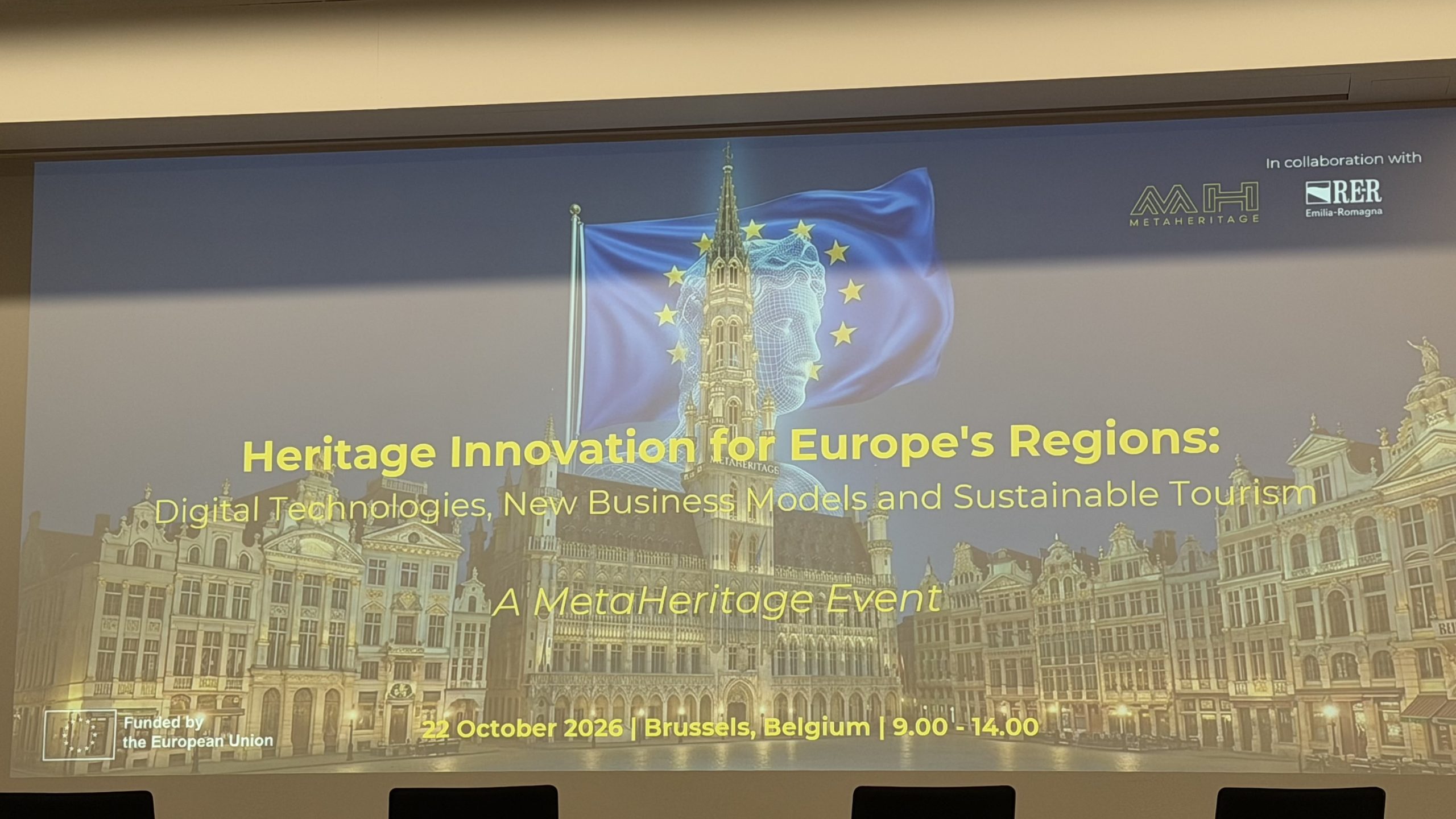



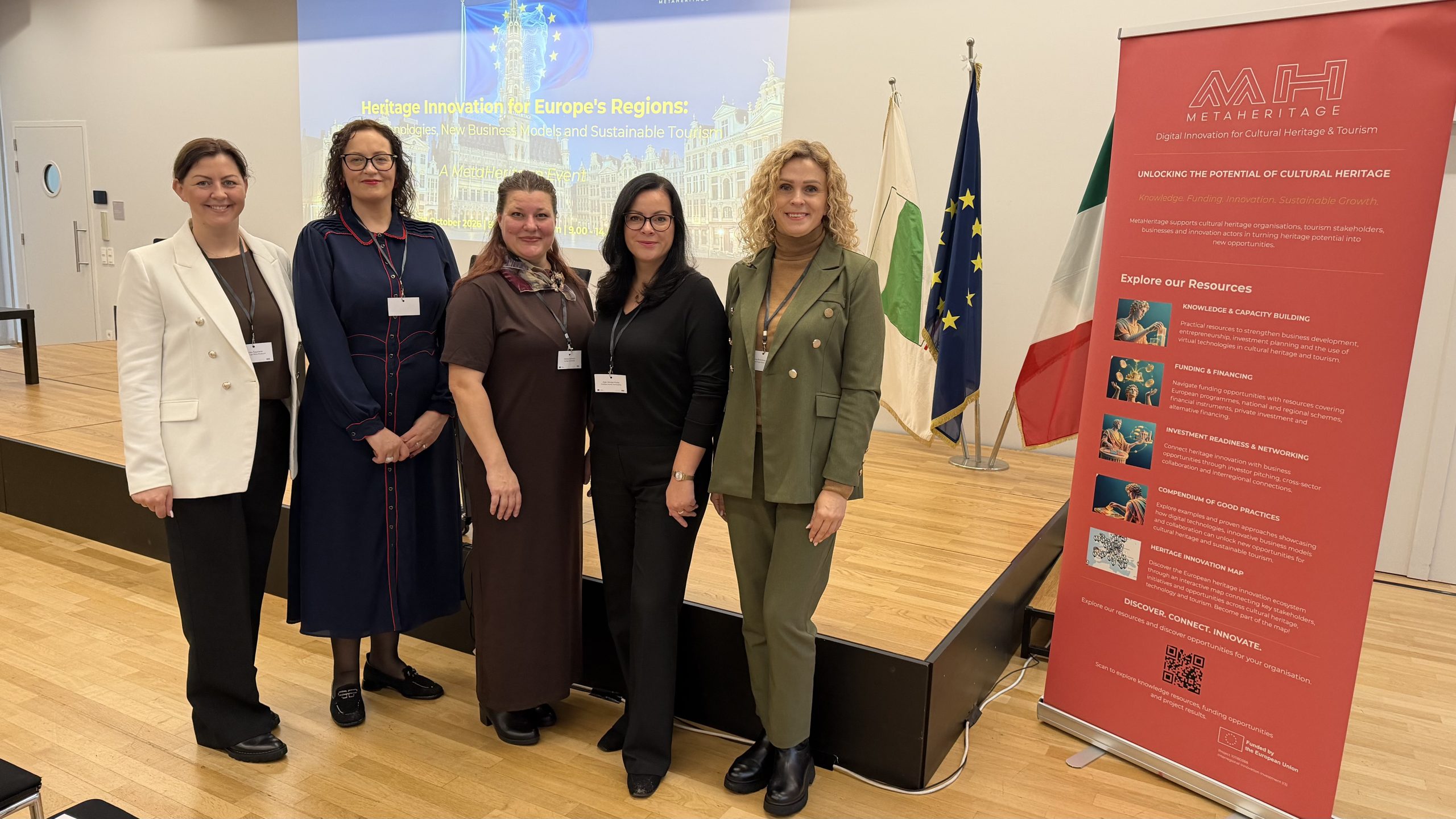
On 22 October 2026, representatives of Šilutė Hugo Scheu Museum and Kuldīga Municipality participated in the international conference “Heritage Innovation for Europe’s Regions: Digital Technologies, New Business Models and Sustainable Tourism”, held in Brussels, Belgium. The event focused on innovative approaches to presenting cultural heritage, the application of digital technologies, new business models, and opportunities for sustainable tourism development across European regions.
Participation in the conference was organised as part of the project No. LL-00230 “Heritage Horizons: Švėkšna and Kuldīga Then and Now”, implemented under the Interreg VI-A Latvia–Lithuania Programme 2021–2027. The project is implemented by Šilutė Hugo Scheu Museum in cooperation with its partner, Kuldīga Municipality. Its main objective is to preserve, restore, and make cultural heritage sites accessible to the public while promoting cross-border cultural tourism in Švėkšna and Kuldīga.
Digital Technologies – New Opportunities for Cultural Heritage
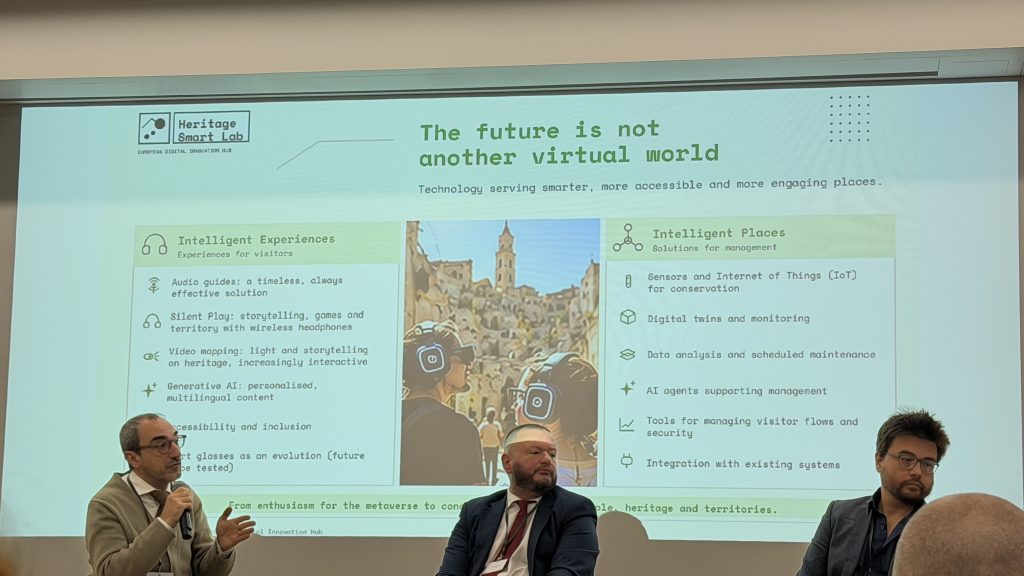
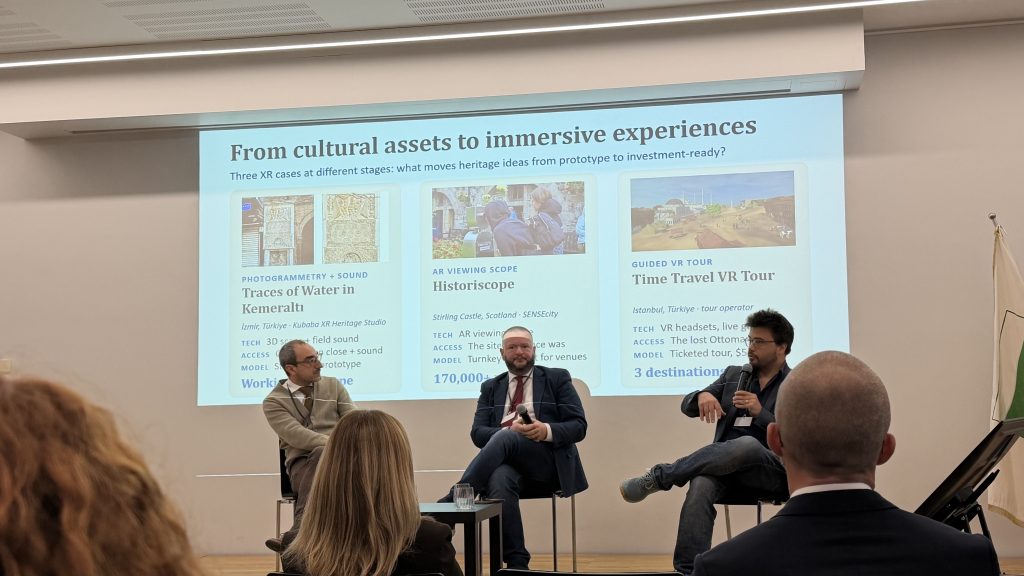
The conference addressed key issues related to the digitalisation of cultural heritage, innovative presentation methods, and the adaptation of heritage sites to the needs of modern society. Particular attention was paid to the application of virtual and augmented reality, artificial intelligence, and interactive technologies in museums, historic sites, and other cultural heritage locations.
Discussions explored how digital tools can help create engaging visitor experiences, highlight the value of historic sites, and offer new ways of discovering cultural heritage. Virtual reconstructions, interactive exhibitions, digital routes, and gamification are becoming increasingly important tools for presenting history in an appealing and accessible way to visitors of different ages and interests.
The event also explored new operational models for cultural heritage sites and opportunities for cooperation between cultural institutions, municipalities, tourism organisations, and technology developers. The importance of innovation was emphasised as a means of balancing cultural heritage preservation, public accessibility, and sustainable regional development.
“Heritage Horizons” – A Shared Journey Through the Cultural Heritage of Švėkšna and Kuldīga
The “Heritage Horizons” project, implemented by Šilutė Hugo Scheu Museum and Kuldīga Municipality, connects two towns distinguished by their rich historical and architectural heritage – Švėkšna in Lithuania and Kuldīga in Latvia. Both towns face similar challenges: preserving valuable historic sites, adapting them to contemporary public needs, and making better use of their cultural heritage potential to support tourism and local economic development.
Kuldīga’s Old Town is inscribed on the UNESCO World Heritage List. Therefore, the Latvian partners’ experience in preserving historic urban landscapes and adapting them for visitors is particularly valuable for Švėkšna.
One of the project’s most significant activities in Lithuania is the restoration of Švėkšna Synagogue and its adaptation for cultural and educational purposes. The aim is to preserve this important Jewish cultural heritage site and create an attractive space where visitors can learn about the history of Švėkšna, the legacy of the town’s former Jewish community, and the region’s diverse cultural traditions.
In Latvia, the project includes the preservation and adaptation of a medieval cellar in Kuldīga for public access, highlighting its historical significance and integrating the site into the town’s cultural tourism offering.
Another important component of the project is the development of a joint cross-border tourist route connecting Švėkšna and Kuldīga. The route will feature historic sites and modern interactive educational tools, enabling visitors to discover the history and distinctive cultural identities of both towns.
The project also includes the development of gamified exhibitions and digital solutions designed to present history in an engaging way, encourage active visitor participation, and make cultural heritage more accessible to different audiences.
International Experience – Practical Benefits for Project Activities
The topics discussed at the Brussels conference are directly relevant to the activities and expected outcomes of the “Heritage Horizons” project. Cultural heritage digitalisation, the development of interactive exhibitions, the creation of new visitor experiences, and the promotion of sustainable tourism are key priorities in developing a joint cultural tourism offering for Švėkšna and Kuldīga.
Participation in the event provided an opportunity to explore innovative solutions implemented across European regions, gain inspiration for the exhibitions and digital tools being developed, and assess how these approaches could be applied within the project.
Particularly relevant were discussions on using technology to communicate historical narratives, engaging visitors, and integrating cultural heritage sites into broader tourism routes. These insights are important in ensuring that the solutions developed through the project are not only innovative but also sustainable in the long term, beneficial to local communities, and attractive to tourists.
Cooperation and New Perspectives
The international conference also provided valuable opportunities to expand professional networks, exchange experiences with cultural heritage, museum, tourism, and regional development specialists from other European countries, and learn about the latest trends in the sector.
The cooperation between Šilutė Hugo Scheu Museum and Kuldīga Municipality through the “Heritage Horizons” project represents an important step towards not only preserving the unique historical heritage of both towns but also giving it a renewed role in contemporary cultural life.
The knowledge and experience gained in Brussels will contribute to the implementation of project activities, the exploration of innovative approaches to cultural heritage interpretation, and the promotion of Švėkšna and Kuldīga as attractive cultural tourism destinations.
Send us a message