


City lakes have always been socially important places. They offer calm, beauty, and space to breathe, but they are also excellent places for activity: swimming, sports, family walks, and time spent together outdoors.
At the same time, lakes are not just scenery. They are living ecosystems that provide services essential to communities: fish populations, water birds, biodiversity and even cultural and historical heritage. Protecting lakes means protecting both nature and the everyday benefits people receive from it.
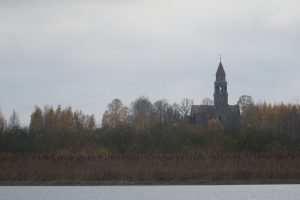
Field Visit: Choosing Smart Buoy Locations in Three Lakes
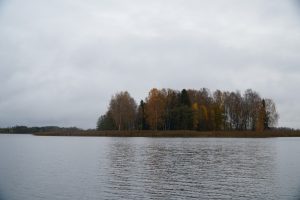
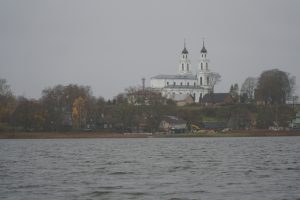
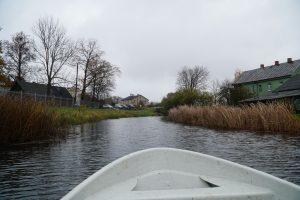
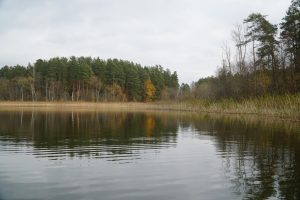
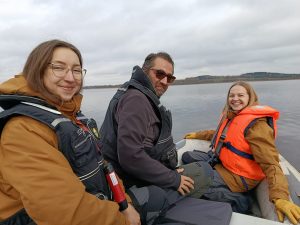
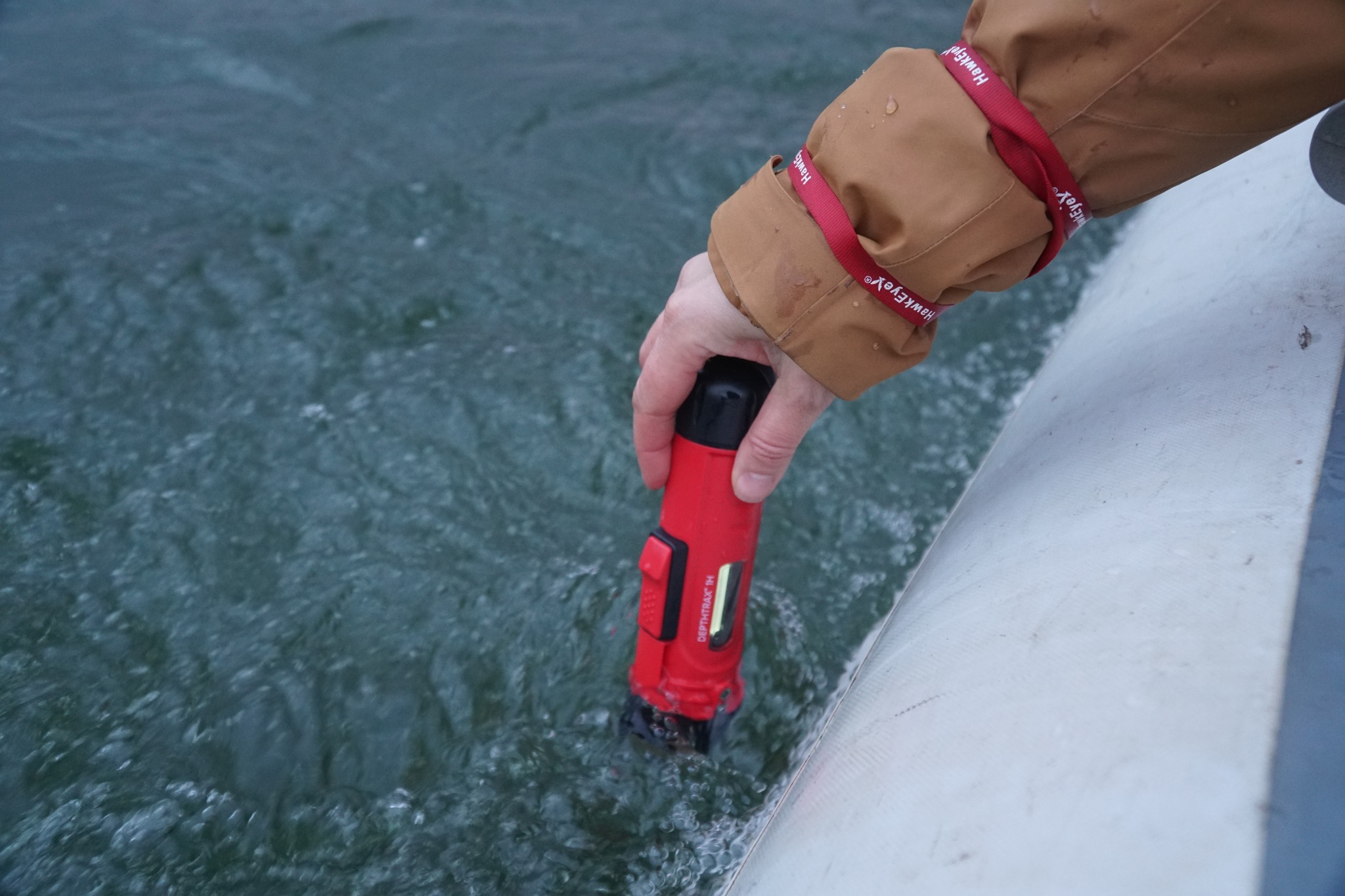
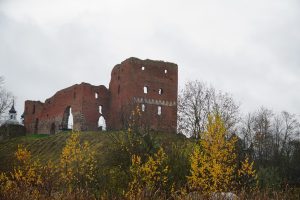
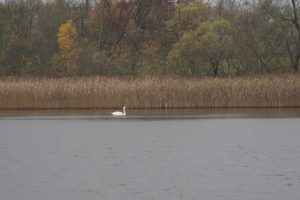
As part of the cross-border project LAKES GO DIGITAL, researchers together with project partners, visited three lakes in Latgale from 28–29 October: Lake Lukna, Lake Mičurinietis, and Lake Lielais Ludzas.
The purpose of the visit was practical but crucial: to identify the most suitable locations for installing smart buoys. Researchers assessed lake depth, internet coverage, and existing infrastructure to determine the best installation points. The buoy deployment is planned for spring 2026.
This time, the field team was joined by internationally recognized researcher Prof. Dr. Paulo Pereira from Mykolas Romeris University as well as researchers from Latvian Institute of Aquatic ecology, strengthening the project’s scientific collaboration across borders.
Although the three sites are all located in Latgale, they represent very different lake types — and that diversity is exactly what makes them valuable for the project.
The goal of LAKES GO DIGITAL is to make lake management smarter, more sustainable, and more data-driven, while strengthening cooperation between municipalities and research institutions.