



What is really happening beneath the surface of a lake?
A new video created within the Lakes Go Digital project takes us below the water surface to explore the many processes that keep freshwater ecosystems functioning – and the benefits they provide to people every single day.
Lakes are much more than beautiful landscapes and places for recreation. They provide habitats for countless species, help regulate the local climate and water cycle, supply natural resources, support water purification and create opportunities for swimming, fishing and spending time in nature. Together, these benefits are known as ecosystem services – and many of them quietly take place without us ever noticing.
But to protect these services, we first need to understand what is happening in our lakes.
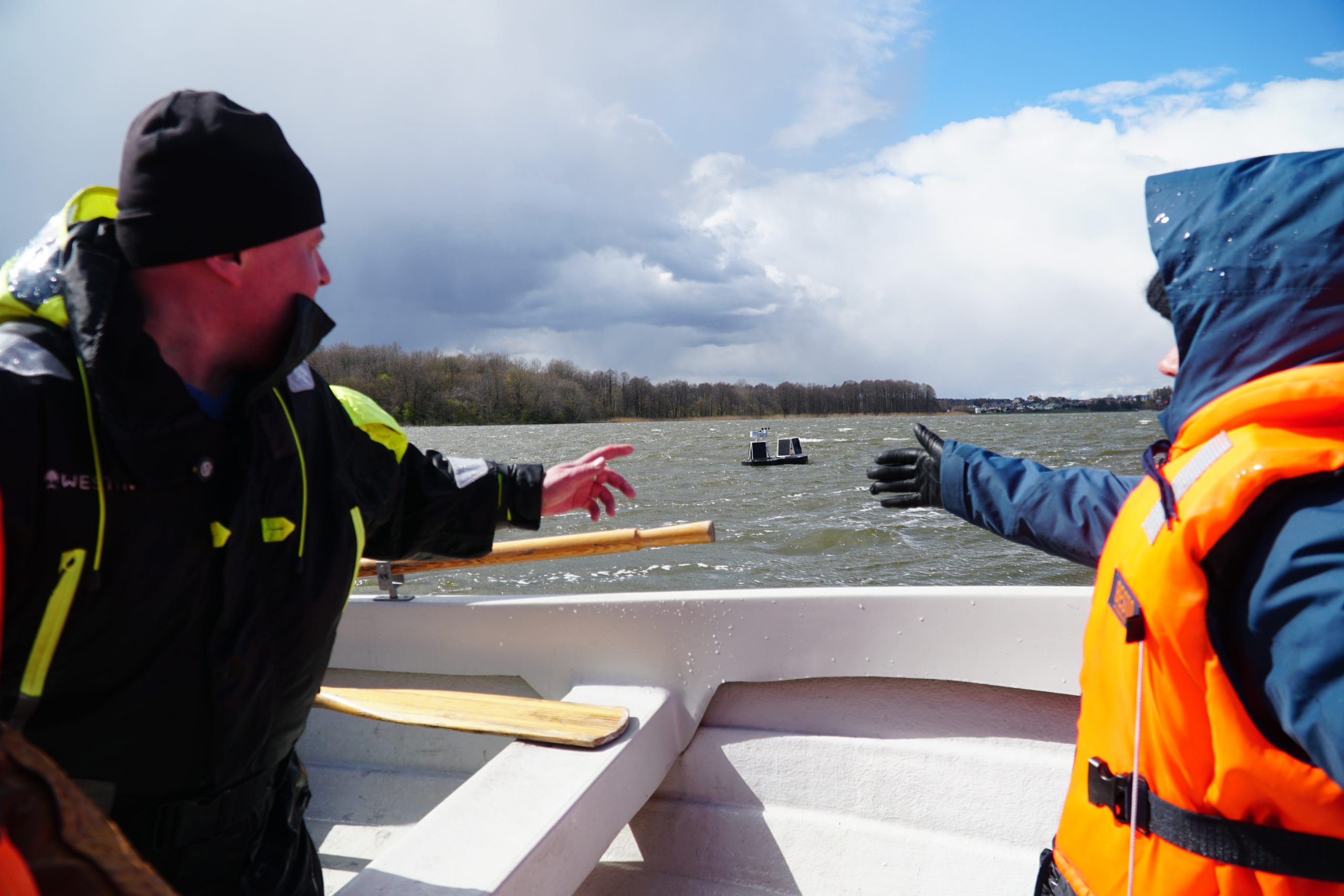
This is where technology can help. Within Lakes Go Digital, smart buoys are being used as autonomous monitoring stations, continuously collecting information about important water quality parameters.
Combined with scientific fieldwork and laboratory analyses, these real-time data allow researchers to follow changes in lake conditions, identify potential problems earlier and gain a much more detailed understanding of the factors influencing freshwater ecosystems.
And importantly, this knowledge is not only for scientists. Better environmental data can also support municipalities in making informed decisions about lake management and help local communities better understand the waters they use and value.
Every healthy lake is quietly working for us – every day, in every season. The more we understand about this hidden work, the better we can protect it.
▶️ Watch the new video and discover the hidden work of lakes – and how science and smart technologies are helping us understand and protect them.
Video by Kristīne Plinta / Latvian Institute of Aquatic Ecology