


Send us a message
Project duration
01.03.2024 – 28.02.2026
Project ERDF co-financing
397 716,80 EUR
SPPwelfare
LL-00133
Latvian and Lithuanian conjunction – Improvement of Baltic salmon and pikeperch rearing methods for more sustainable, resilient and healthy fish populations.
Common territorial challenge (s) that will be tackled by the project
Latvia and Lithuania face shared territorial challenges in sustaining vital salmon and pikeperch populations via restocking. Transboundary Baltic salmon stocks are declining due to overexploitation, climate change, and damming. Concurrently, pikeperch, which is crucial for mitigating climate-induced algal blooms, faces complex rearing bottlenecks and high mortality, requiring urgent bilateral knowledge transfer. Furthermore, relying on wild broodstock exposes both nations' farmed fish to severe disease risks, exacerbated by regional antimicrobial resistance (AMR). To address these threats, we conducted participatory problem-framing with stakeholders and concluded that sustainable aquaculture demands harmonised, farm-specific biosecurity protocols and joint disease prevention strategies.Project objective
To develop enhanced rearing methods for Baltic salmon and pikeperch, aiming for restocking juveniles for more sustainable, resilient, and healthier fish populations. The primary aim is to mitigate anthropogenic impacts on the environment by minimizing antibiotic pollution and increasing biosafety and welfare standards in fish farms.Planned activities
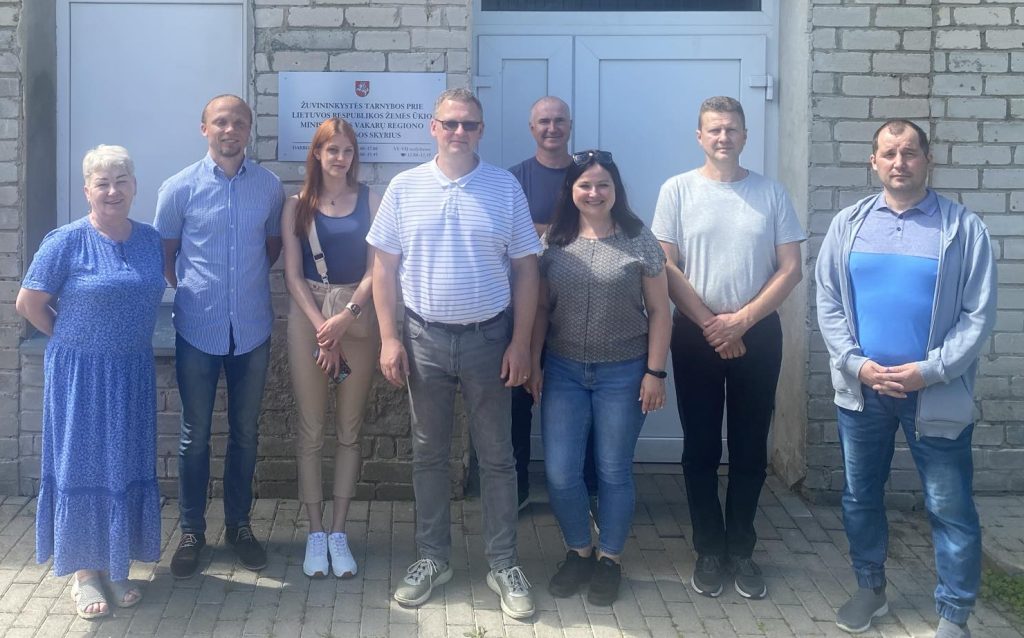
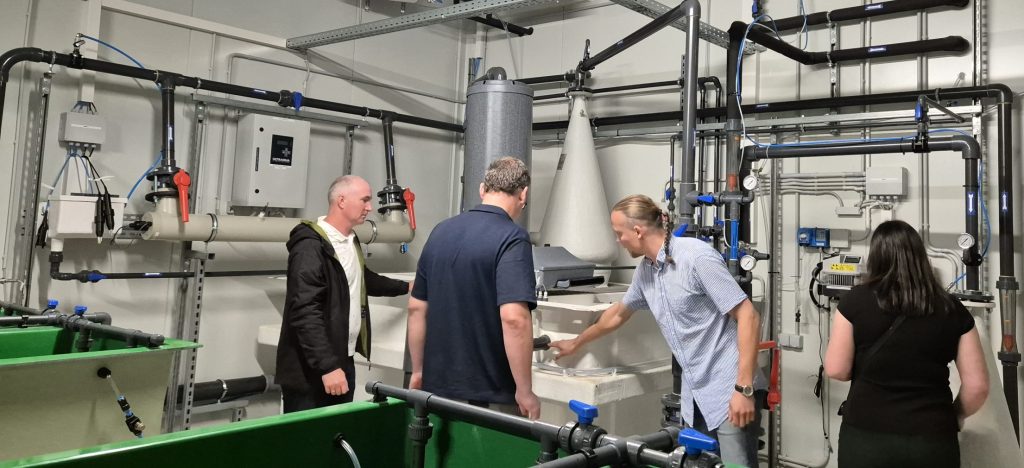
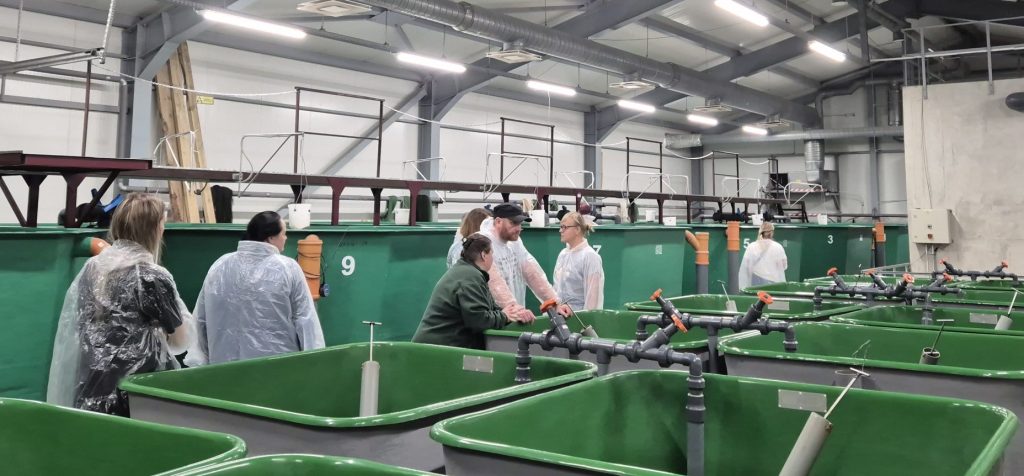
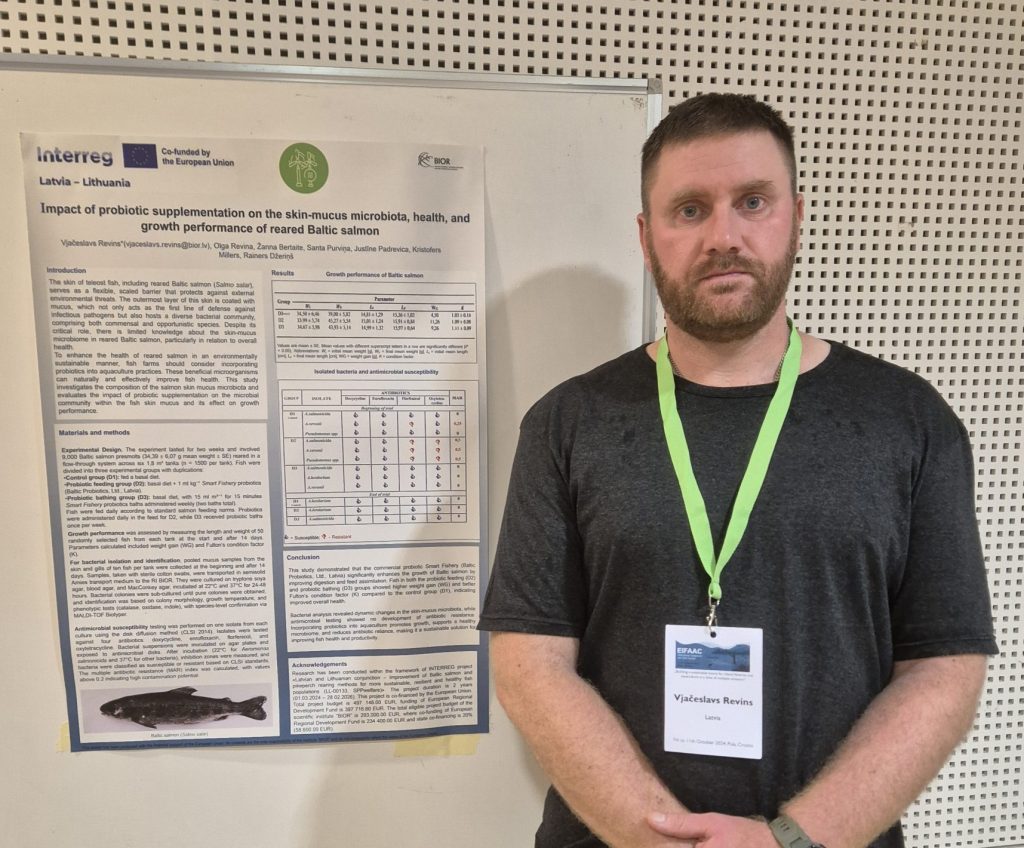
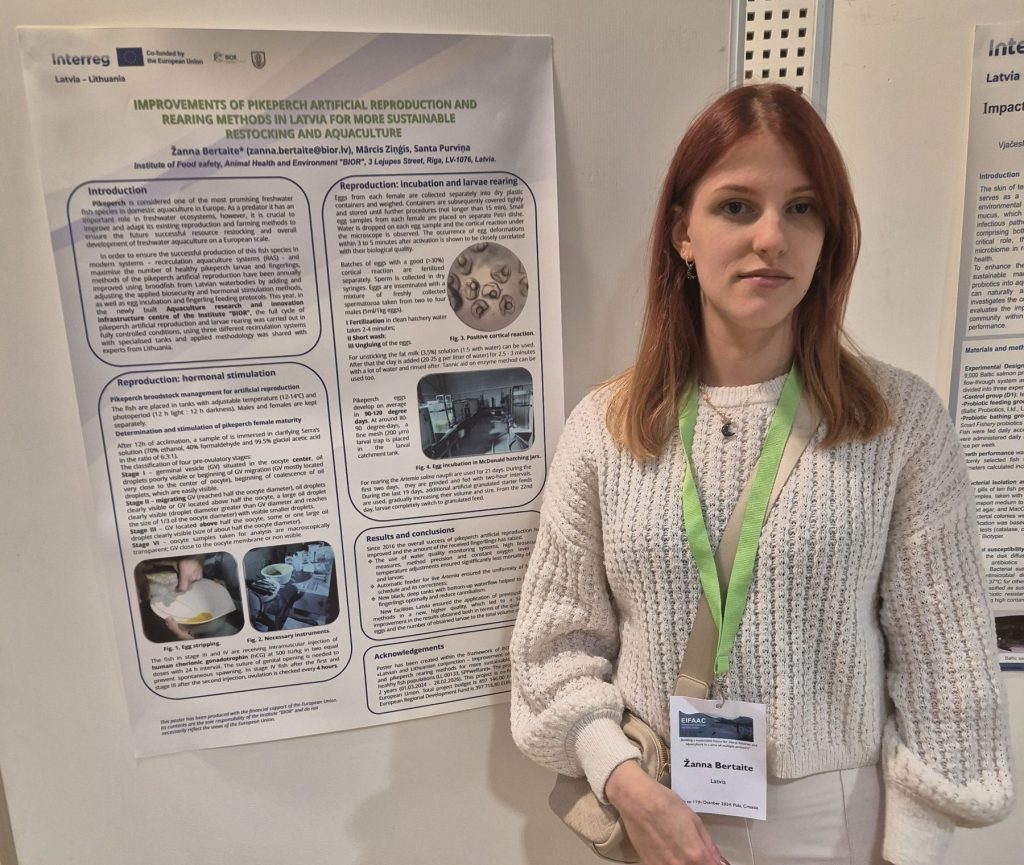
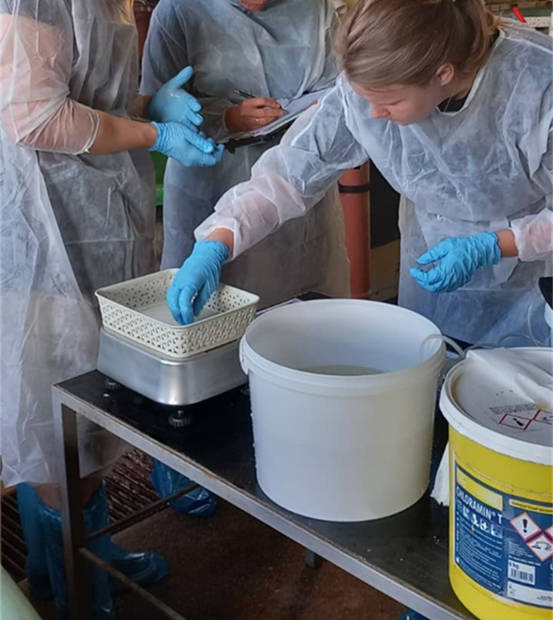
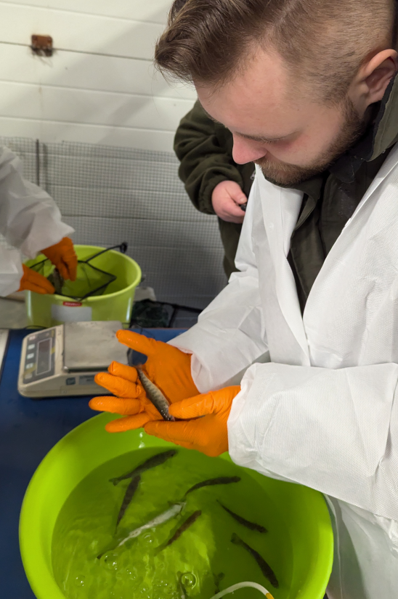
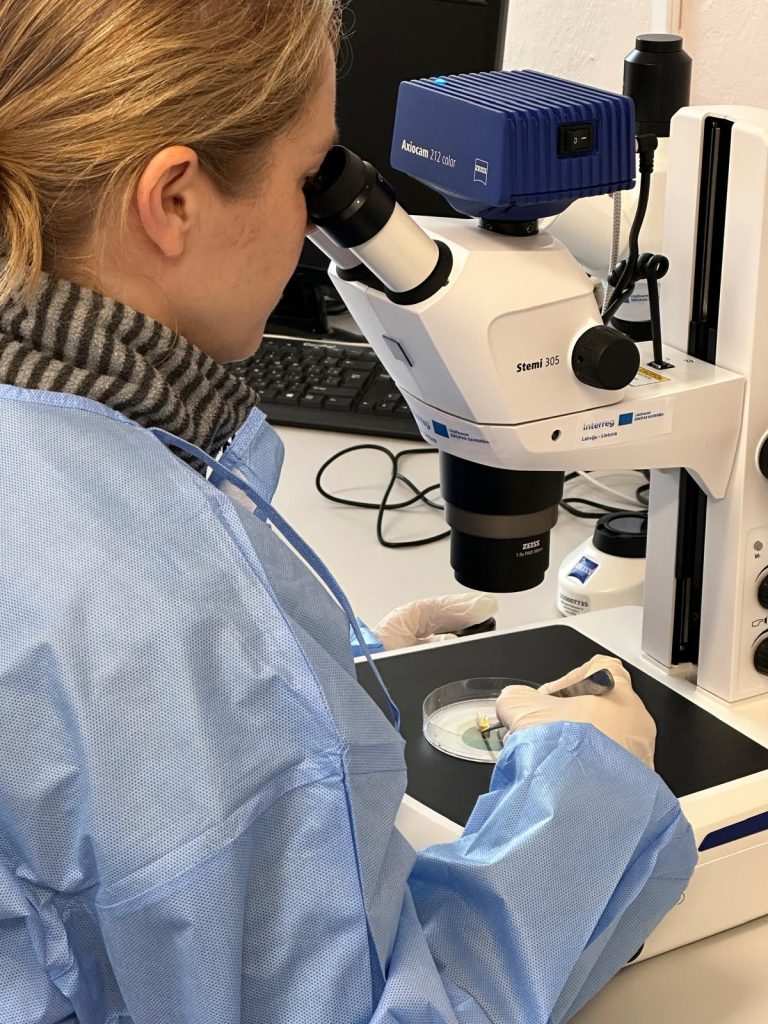
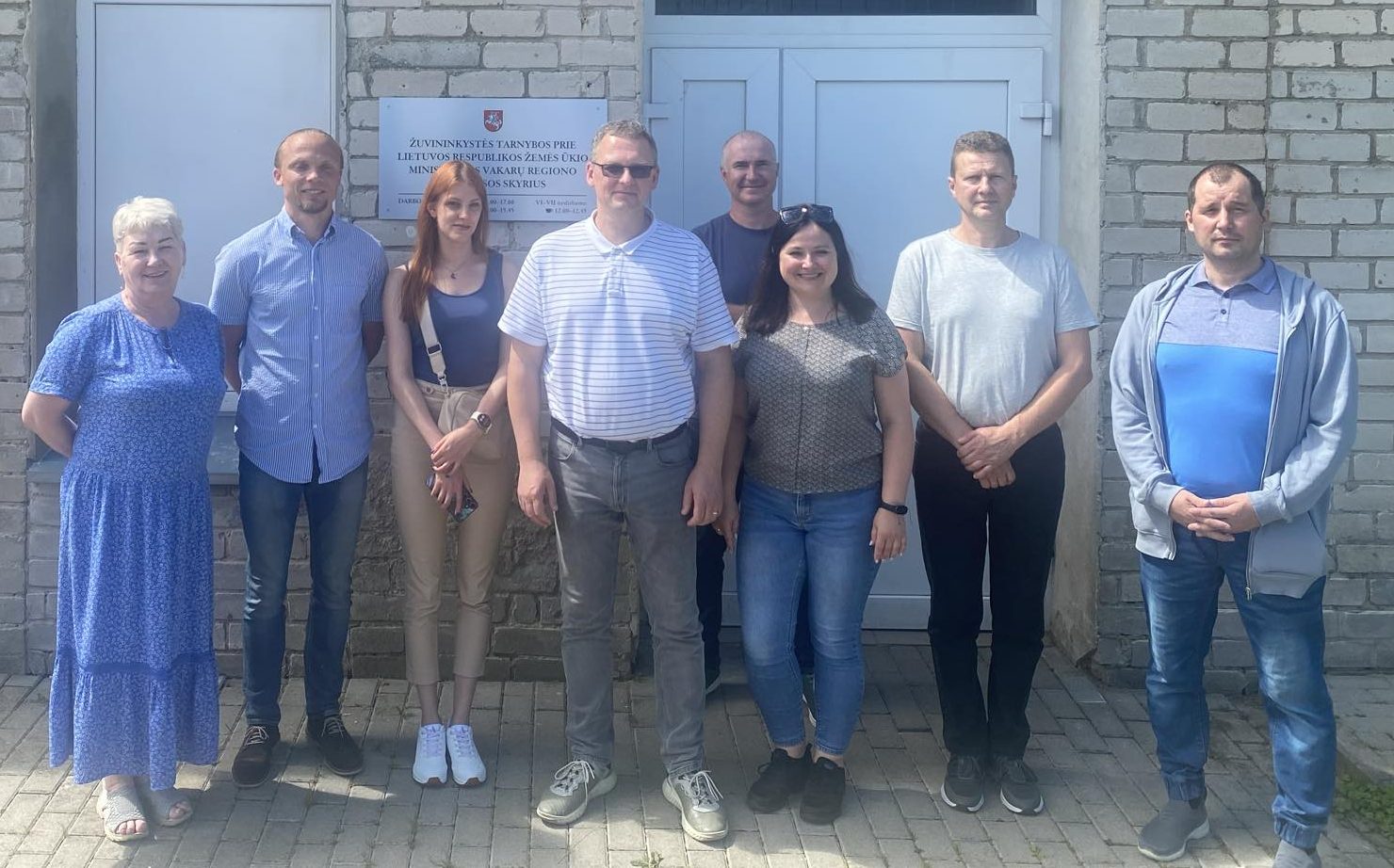
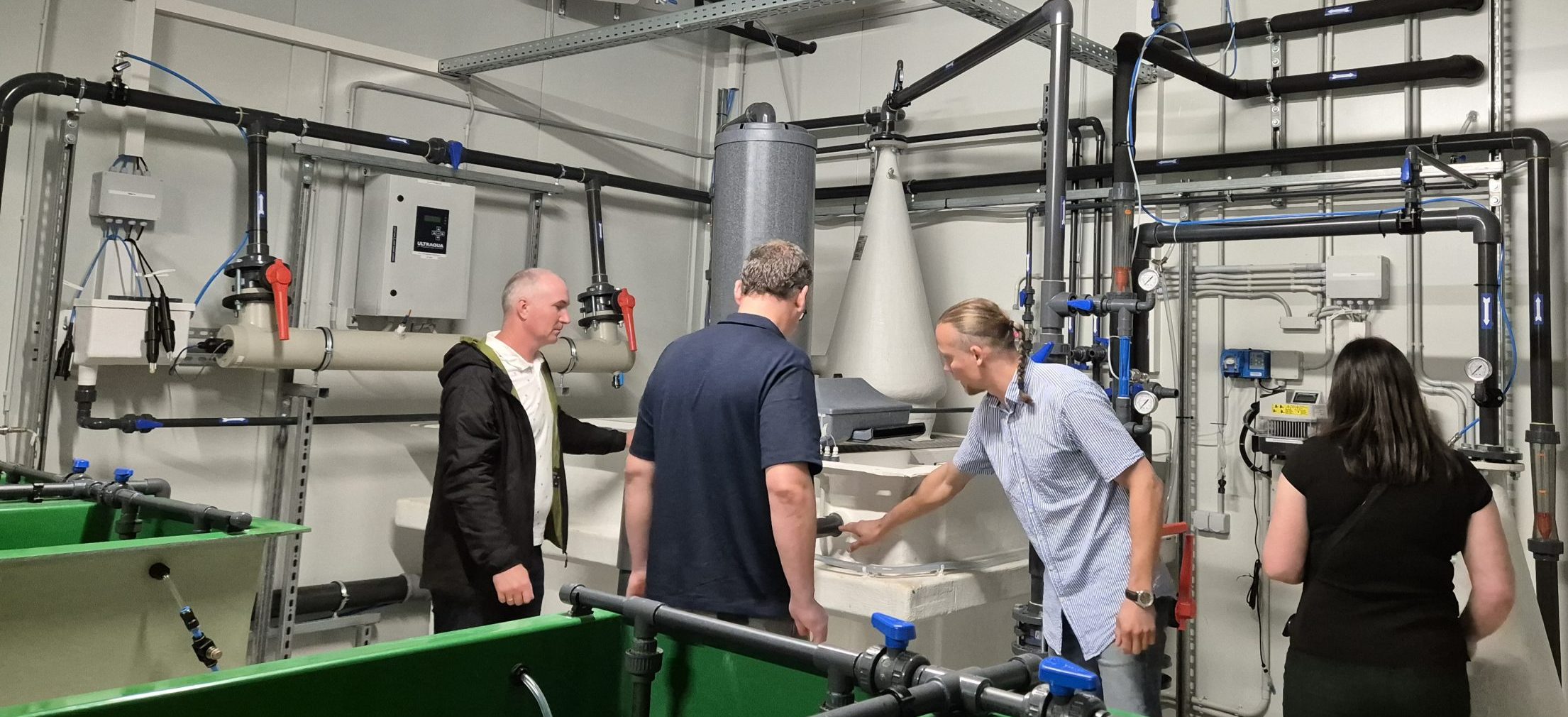
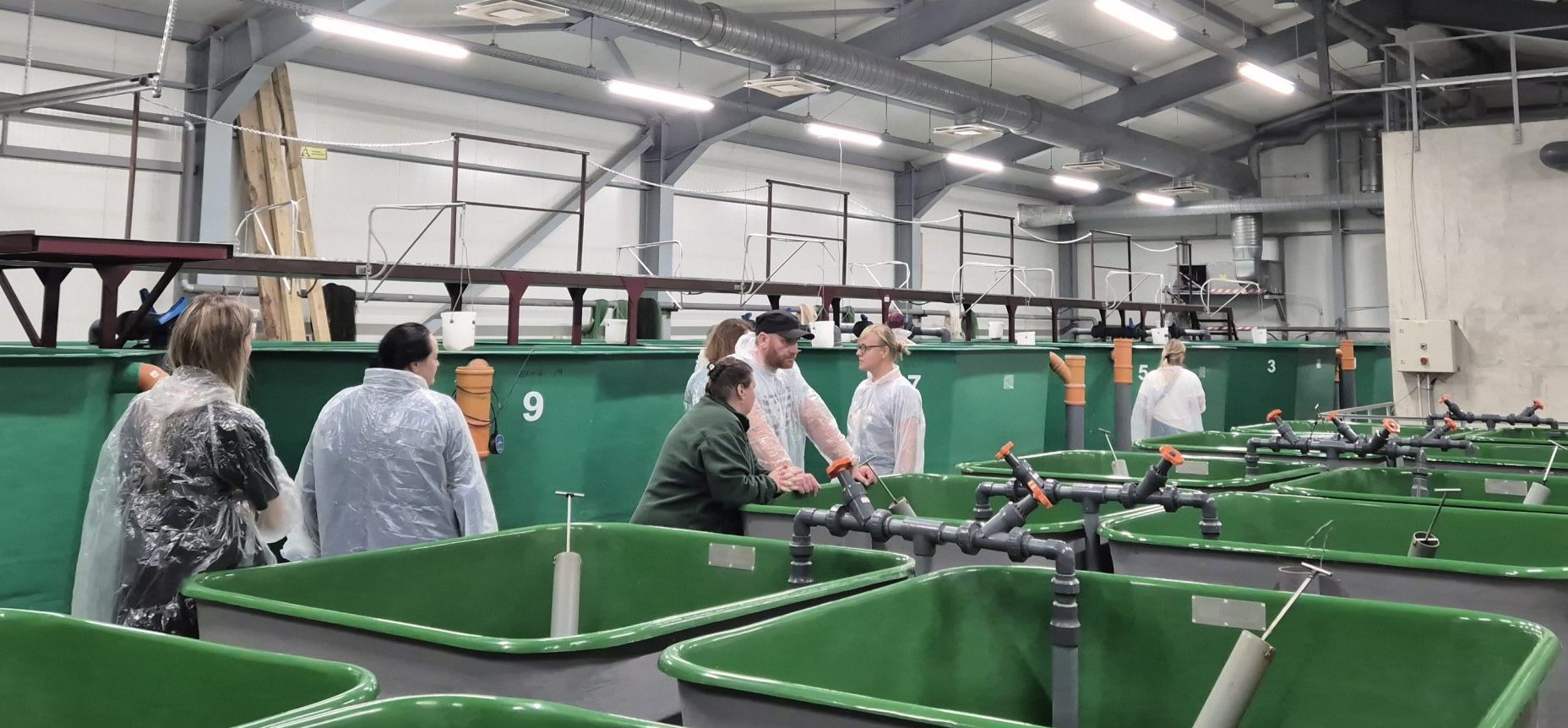
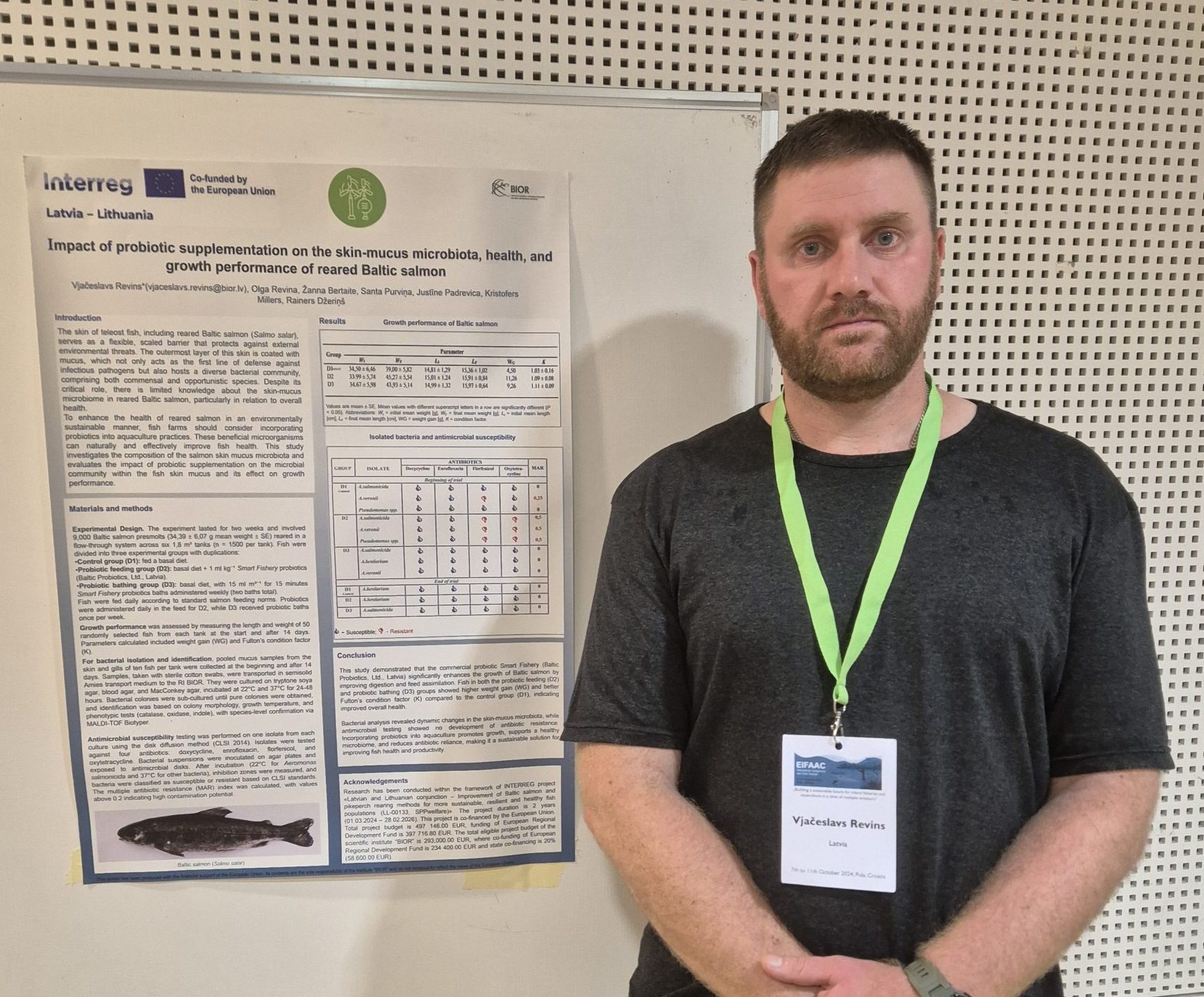
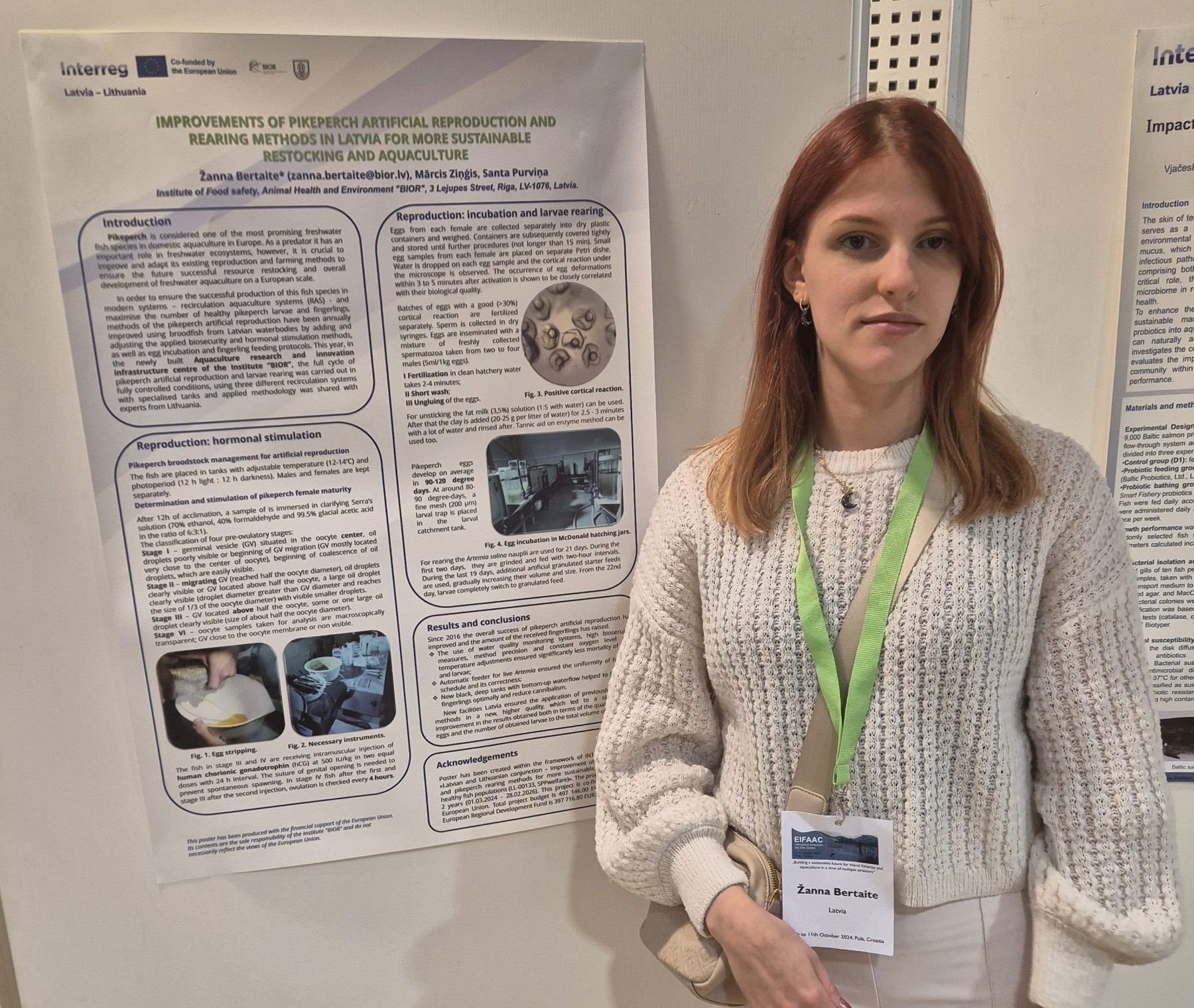
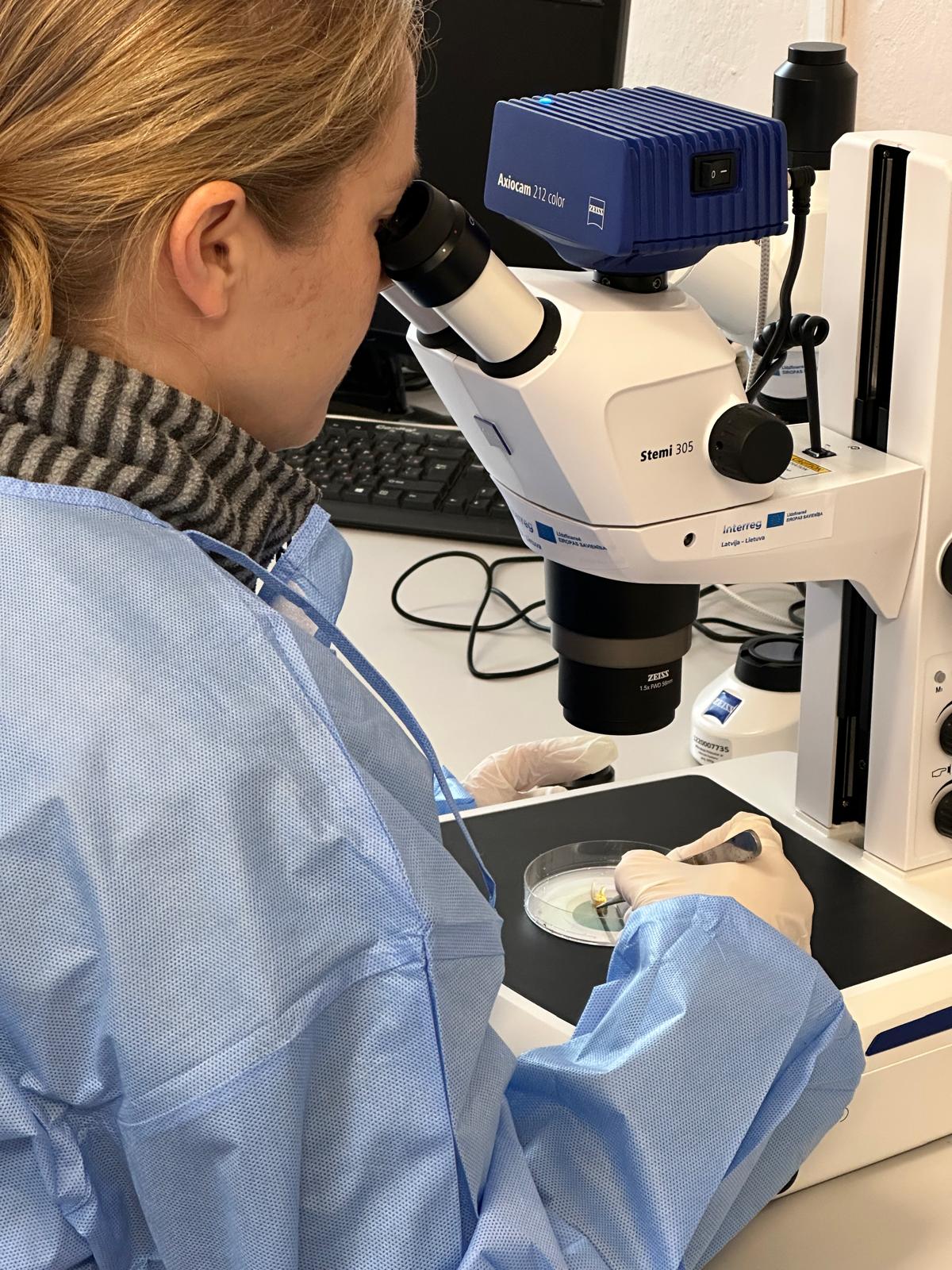
During the project, Latvian and Lithuanian experts worked together to improve the health, quality and sustainable rearing of pikeperch (Sander lucioperca) and Baltic salmon (Salmo salar). Study visits in summer 2024 brought together around 20 veterinarians, fish farmers and researchers to exchange practical experience on artificial reproduction, restocking, biosecurity and hatchery infrastructure. New equipment for microscopy, disinfection, and trials strengthened the partners’ technical capacities. Short- and long-term probiotic trials with salmon and pikeperch fry and smolts generated new knowledge on their potential effects on fish health and performance. The partners also developed a Fish Health Index Model (FHIM) for salmonids, including common monitoring protocols, a shared database and a methodology for assessing fish quality before release, as well as farm-specific Biosecurity Guidelines were developed based on risk analysis and self-assessment. Project knowledge and findings were shared with professional, academic and public-sector audiences through stakeholder meetings, seminars, scientific and popular-science publications, international events, local media and partner communication channels. Results were presented at the EIFAAC symposium (2024), published in the peer-reviewed journal Fishes (2026) and several popular-science publications, and discussed with stakeholders in both countries. A dedicated seminar involved 30 veterinary students, while the final international conference gathered more than 60 participants. In total, more than 150 stakeholders were directly engaged in project activities, while wider communication and dissemination reached over 1 000 people.Project results
The project produced several practical outputs for fish hatcheries in Latvia and Lithuania.
- Cross-border cooperation. Cooperation between the Institute of Food Safety, Animal Health and Environment “BIOR” in Latvia and the Fisheries Service under the Ministry of Agriculture of the Republic of Lithuania was strengthened and through an updated bilateral agreement. This provides a basis for continued joint research, coordinated fish resource reproduction and fish management policies.
- Fish Health Index Model (FHIM). A standardized evaluation system was developed to combine information on rearing conditions, stock health, mortality, treatments and fish characteristics in a unified cross-border database supported by a common analysis methodology. This tool allows fish farmers to track physical health traits and stress resilience before fish transfer or release. Available here.
- Pikeperch rearing methodology. A step-by-step protocol for artificial reproduction and rearing of pikeperch (Sander lucioperca) under RAS conditions was developed, tested and documented for practical use in fish farms. Avalilable here.
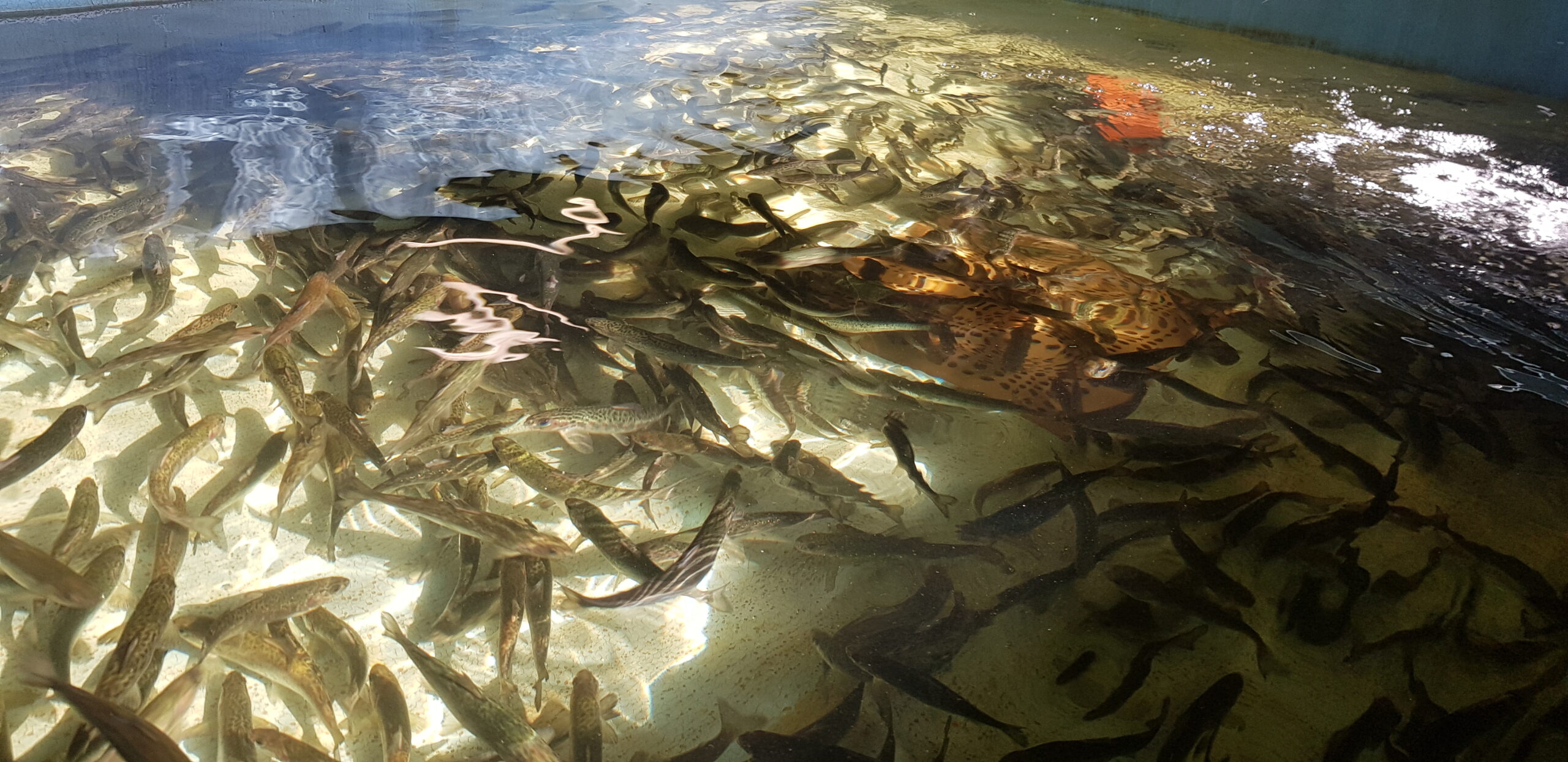
- Evaluation of probiotic applications and trial results. Trials with pikeperch and salmon fry and fingerlings demonstrated that probiotics can have positive effects under certain rearing conditions. In Baltic salmon fingerlings, probiotic supplementation resulted in more than double the weight gain over 14 days. Gill cover necrosis occurrence in salmon fry was reduced by 21–25%. Probiotic immersion baths stabilized skin and gill microbiota and reduced mortality during critical feeding transitions and high-temperature stress periods (>18–20 °C). In a six-month RAS probiotic trial, 55% of treated fish reached advanced maturation stages by April compared with 20% in the control group. At the same time, some trials with older fingerlings showed no major impact on growth or survival, helping identify the conditions in which probiotic use is most promising. Read more.
- Biosecurity guidelines for fish farms. The guidelines were developed for hatcheries in Latvia and Lithuania, and include a self-assessment checklist and practical recommendations on disease prevention, zoning, quarantine, hygiene and disinfection. The guidelines help hatcheries identify critical disease-transmission risks and apply more consistent biosecurity measures in daily operations. Available here.
The developed Biosecurity guidelines are being integrated into the daily work of state fish hatcheries under the scientific institute BIOR (such as the Pelči hatchery) and the Fisheries Service of Lithuania (divisions in Rusnė, Žeimena, and Simnas). The FHIM protocols and pikeperch rearing methodology are already being actively used in routine hatchery work and serve as practical reference material for other fish producers. The findings from the probiotic trials will support future research and refinement of feeding and fish-health management practices. In the longer term, these tools will continue to support sustainable restocking programmes, reduce disease outbreaks, and enhance the ecological resilience of wild Baltic salmon and pikeperch populations.
Social media and contacts:
Phone: +371 67620513
E-mail: bior@bior.lv
Website: https://bior.lv/en
Address: 3 Lejupes Street, Riga, LV-1076, Latvia
-
February 12, 2026 - February 13, 2026
SPPwelfare project final conference: "Fisheries Resources, Sustainability and Future Challenges"Laisvės Avenue, 44297 Каунас, Каунасский уезд Литва
-
January 27, 2026 - January 27, 2026
National stakeholder meeting in Riga: general results of the "SPPwelfare" project and discussionsRiga, Latvia
-
January 21, 2026 - January 21, 2026
National stakeholder meeting in Vilnius: general results of the "SPPwelfare" project and discussionsVilnius, Vilnius County Lithuania