


During the third project period, BISTEPS activities continued to expand across the participating territories in Lithuania and Latvia. The period included new public education activities, physical activity sessions for children and young people, international camps and hiking events, as well as further development of the international “A Billion Steps Challenge” and healthy lifestyle routes.
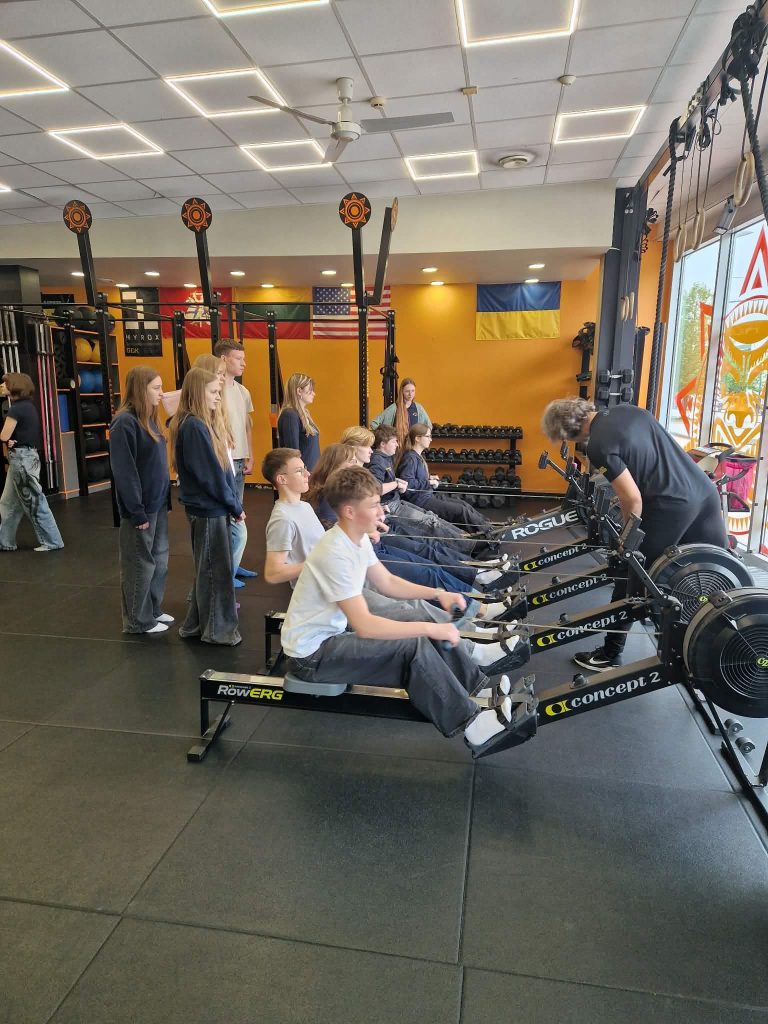
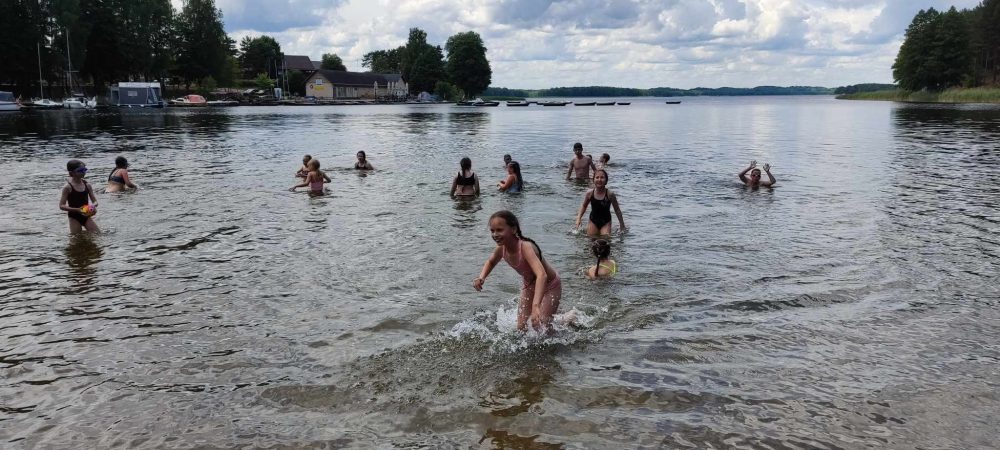
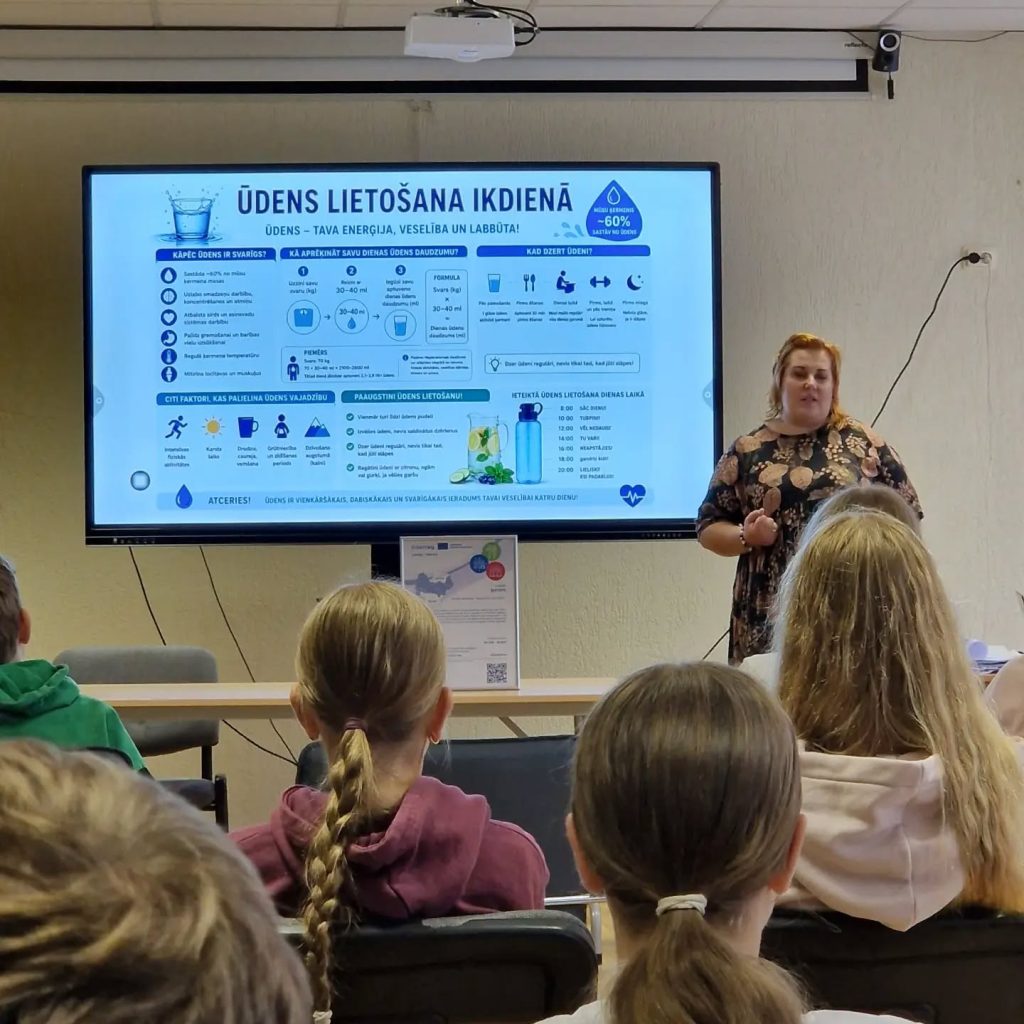
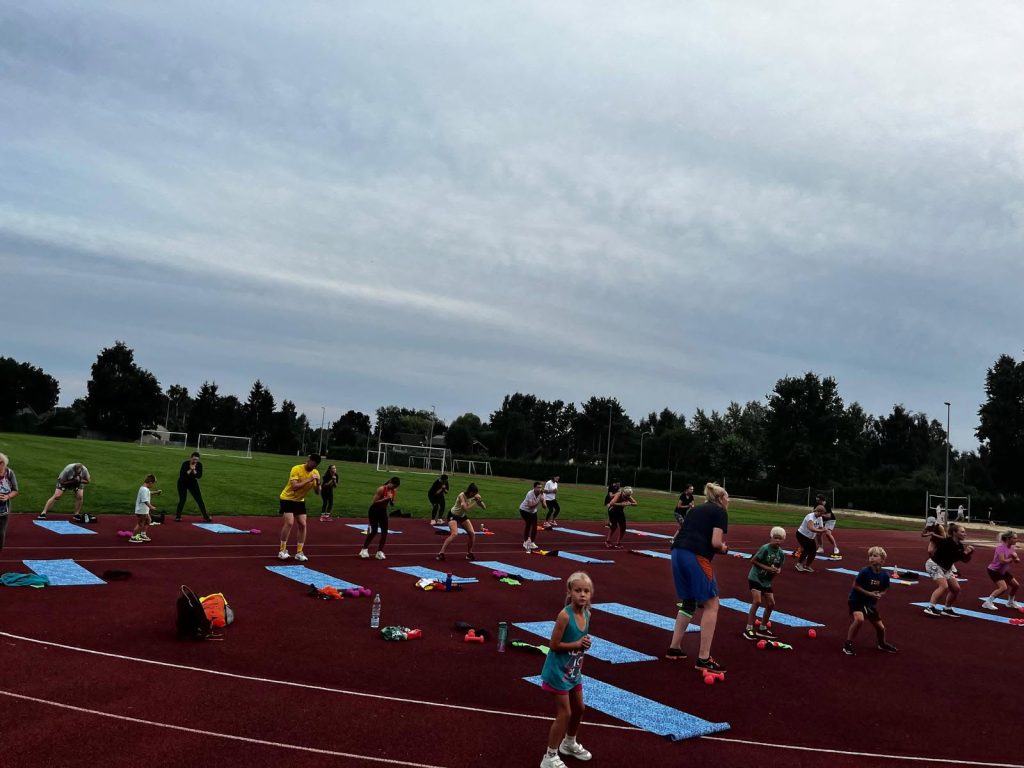
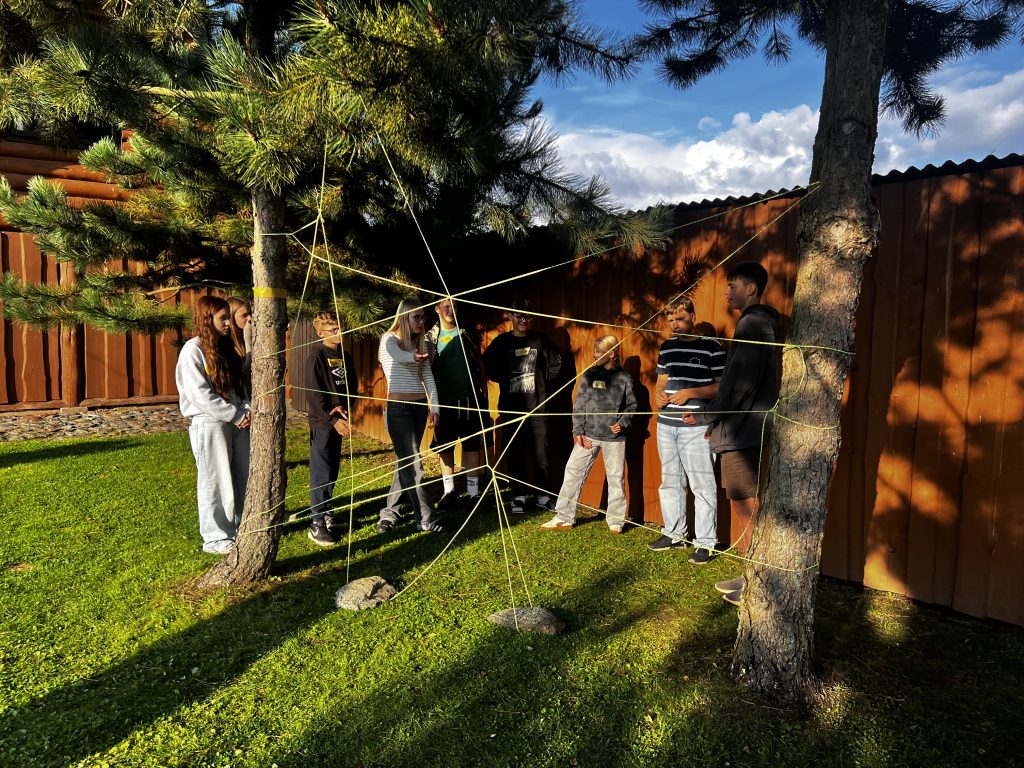
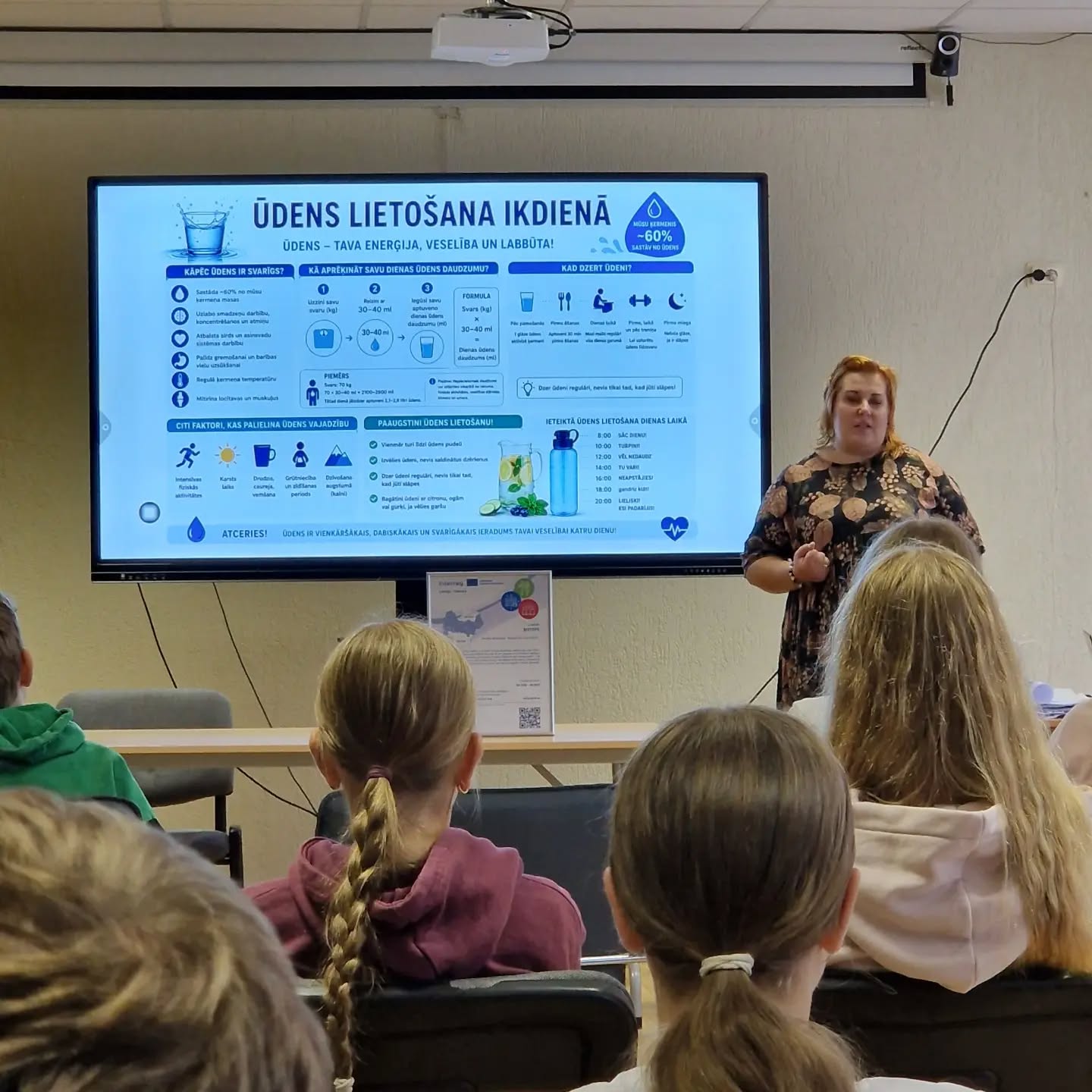
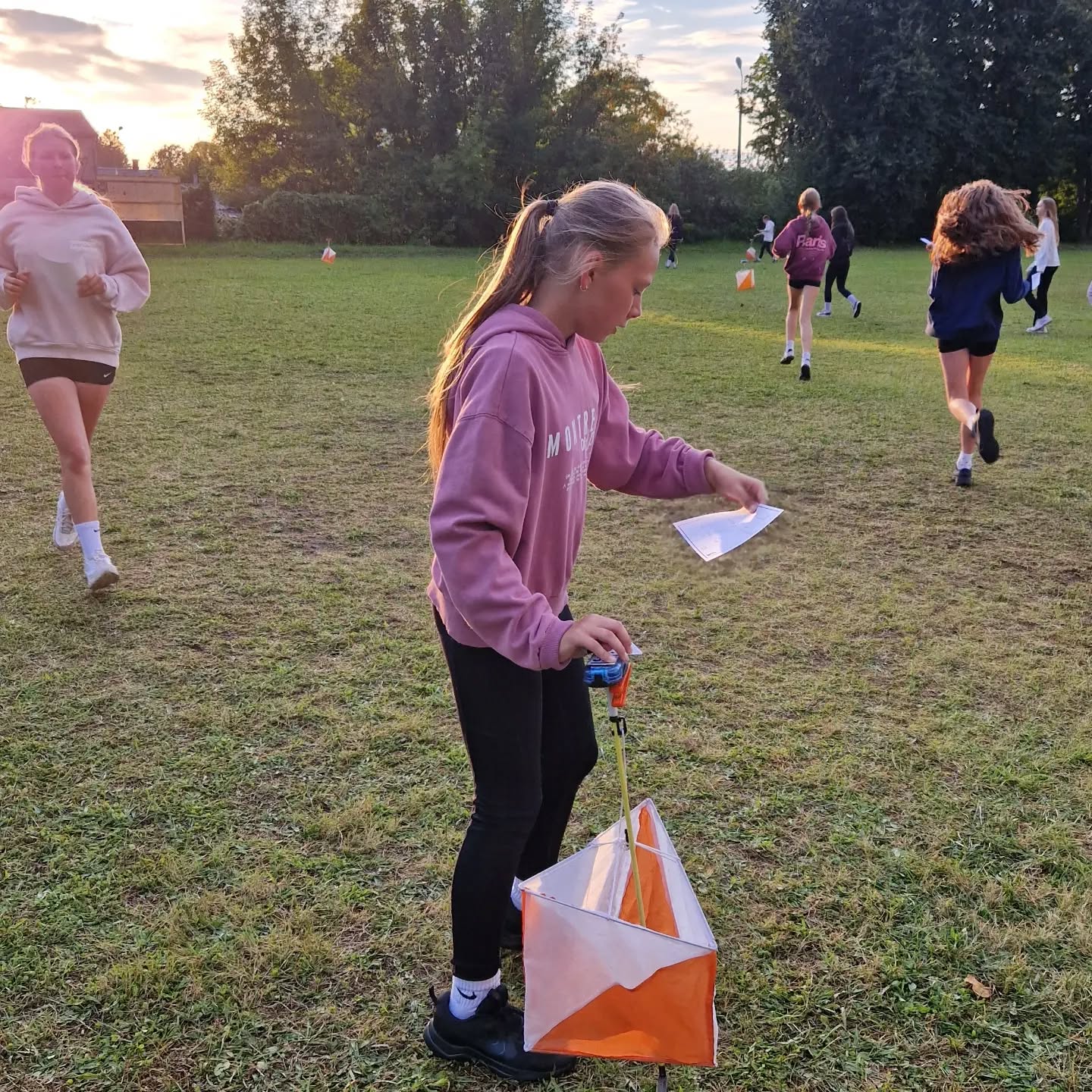
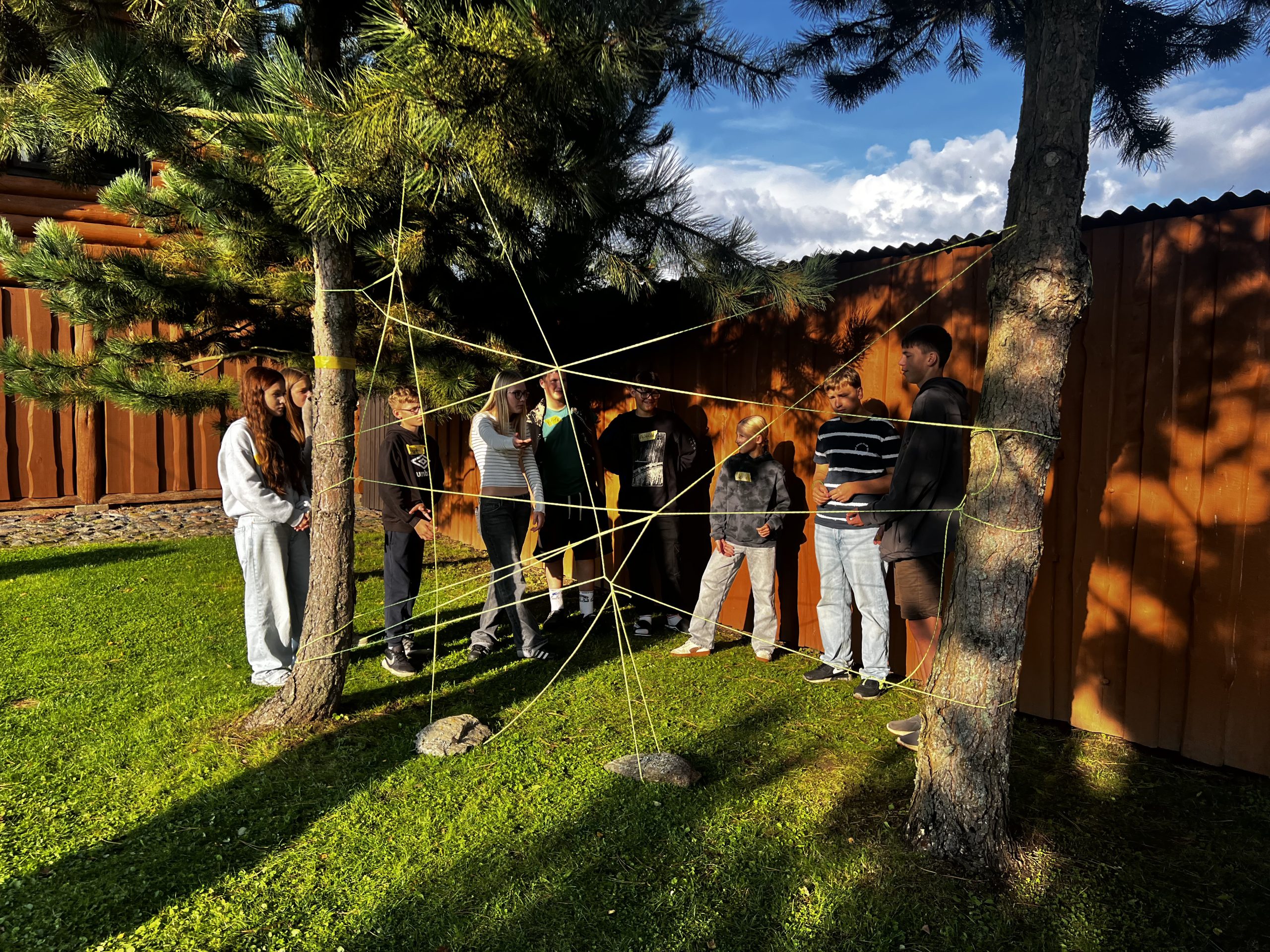
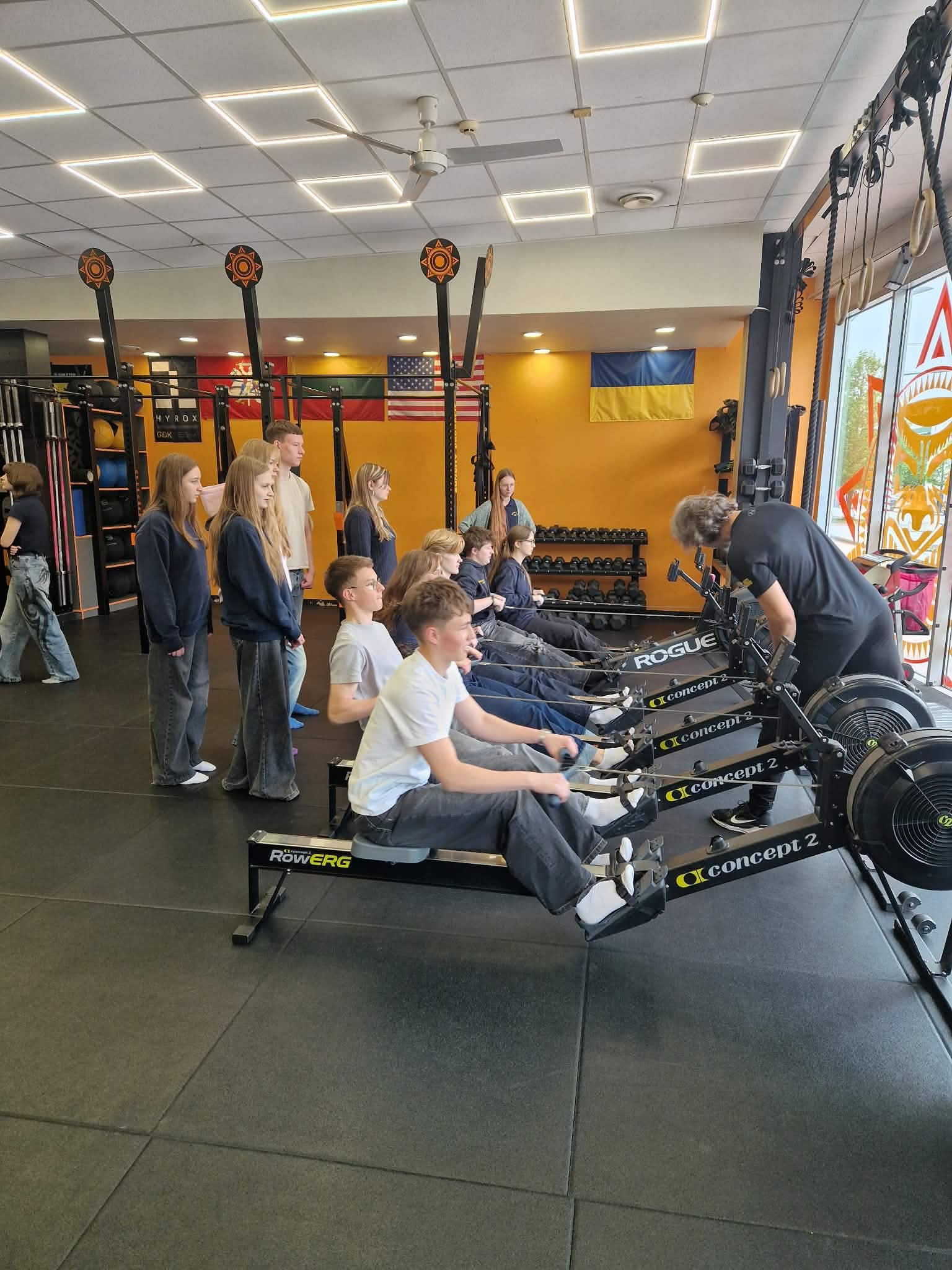
NGO Training Synergy implemented open public education activities on physical activity and healthy lifestyle in Šiauliai city. The sessions provided local residents with information on the importance of regular movement, healthier everyday habits and practical ways to incorporate physical activity into daily life. In addition, an international BISTEPS children’s camp was organised in the Šiauliai region, bringing together young participants from the project partner territories. The three-day programme combined physical activities, educational sessions, outdoor experiences, communication and team-building activities.
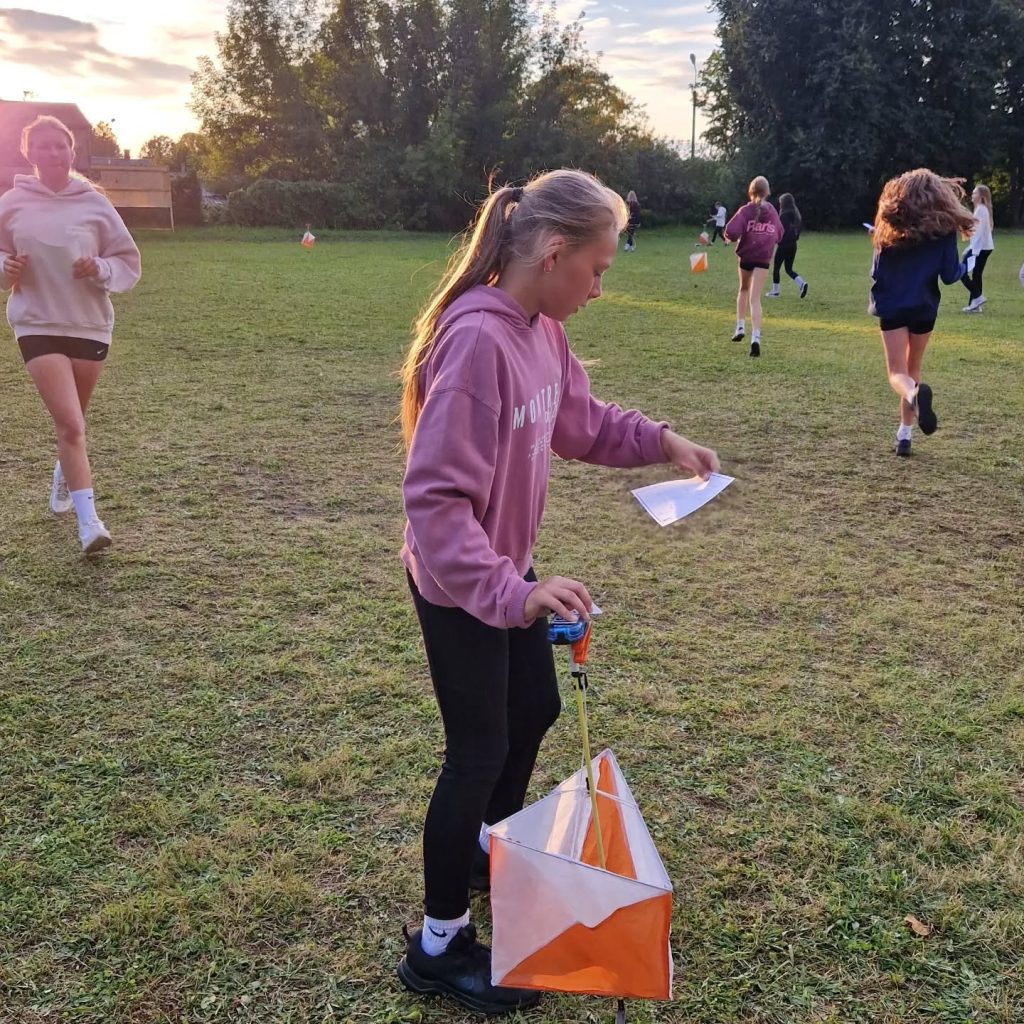
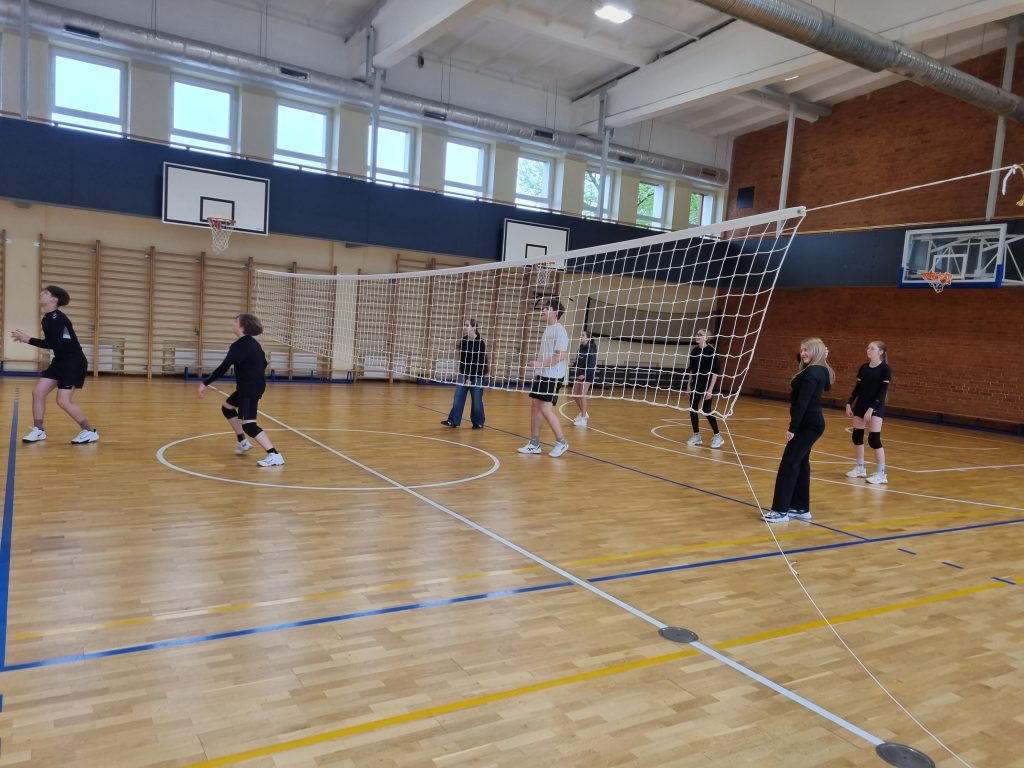
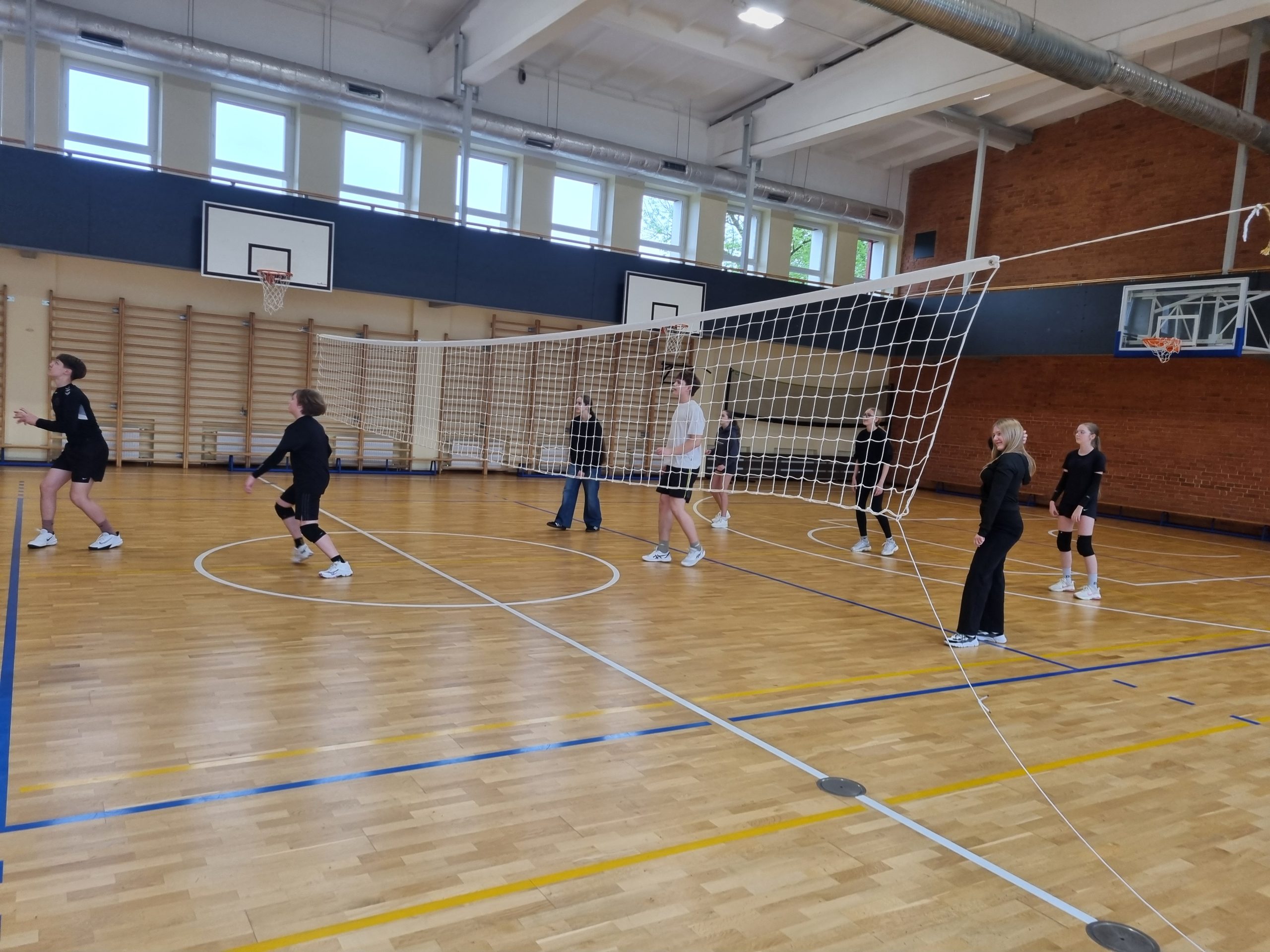
The Public Health Office of Ignalina District Municipality organised six activities for children during the summer, providing opportunities for active leisure and encouraging children to learn more about the importance of regular physical activity. The Public Health Office of Biržai District Municipality organized 10 physical activity events for children, as well as seven public education sessions on physical activity and healthy lifestyle for local residents, which attracted a total of 175 participants.
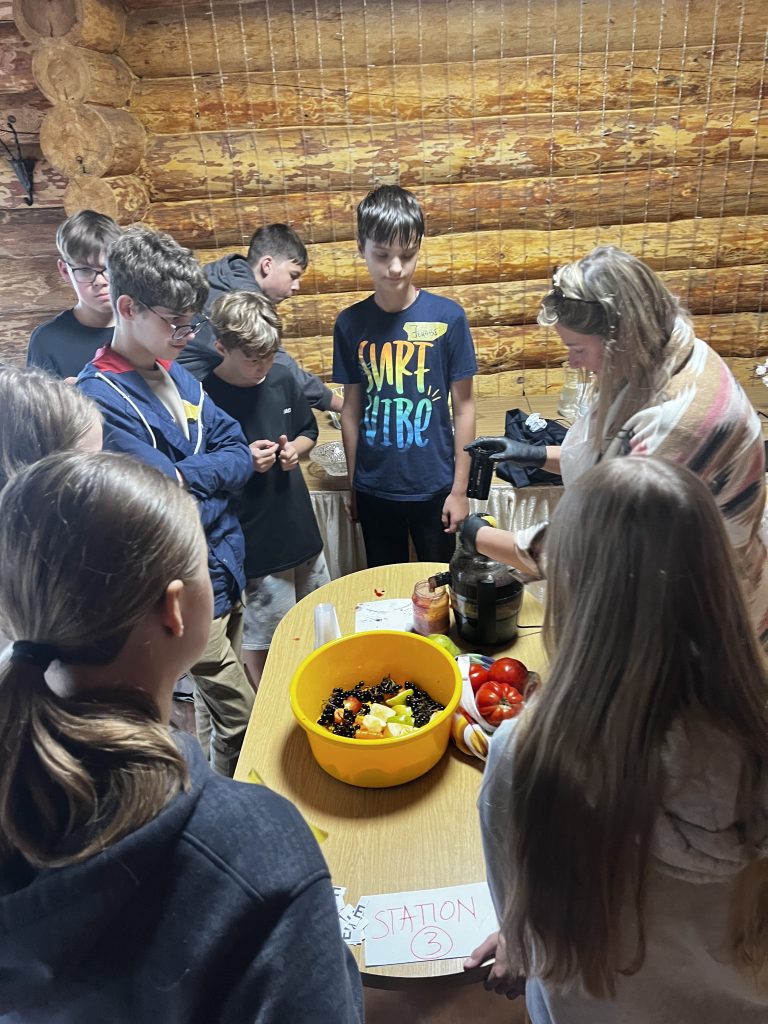
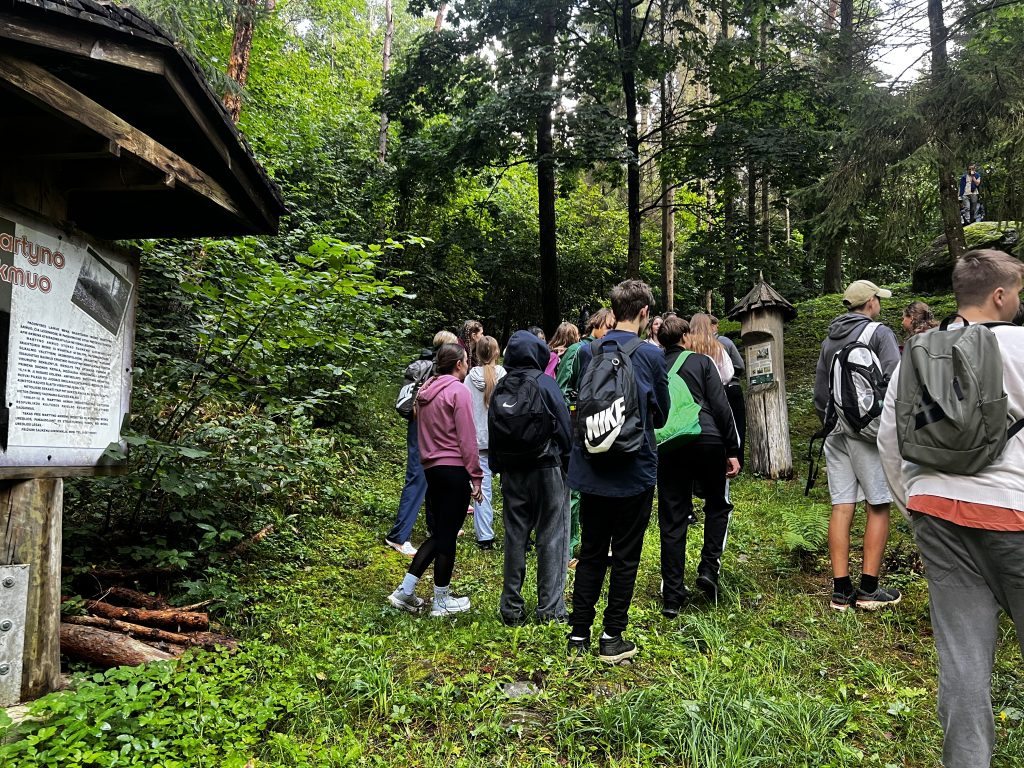
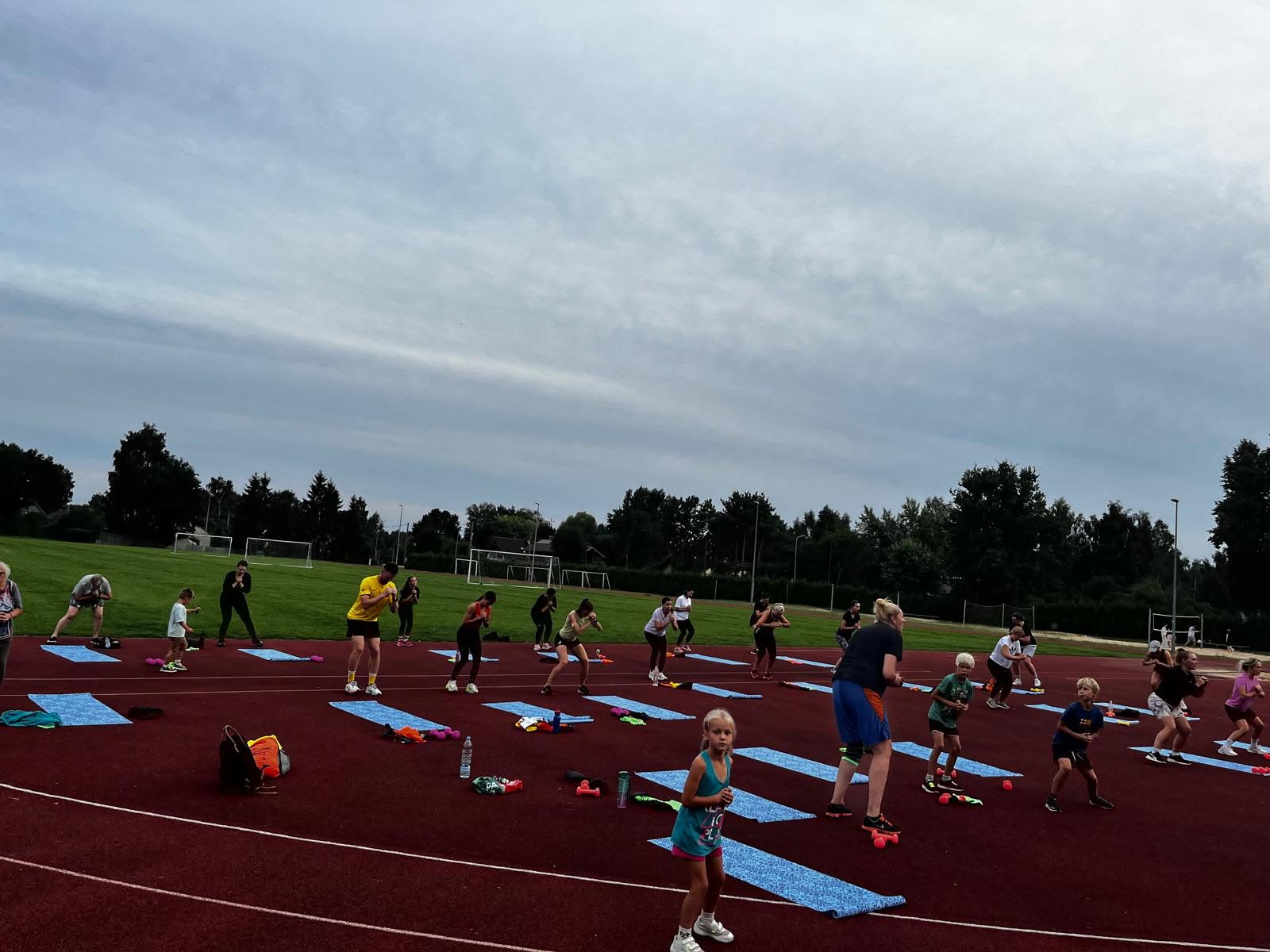
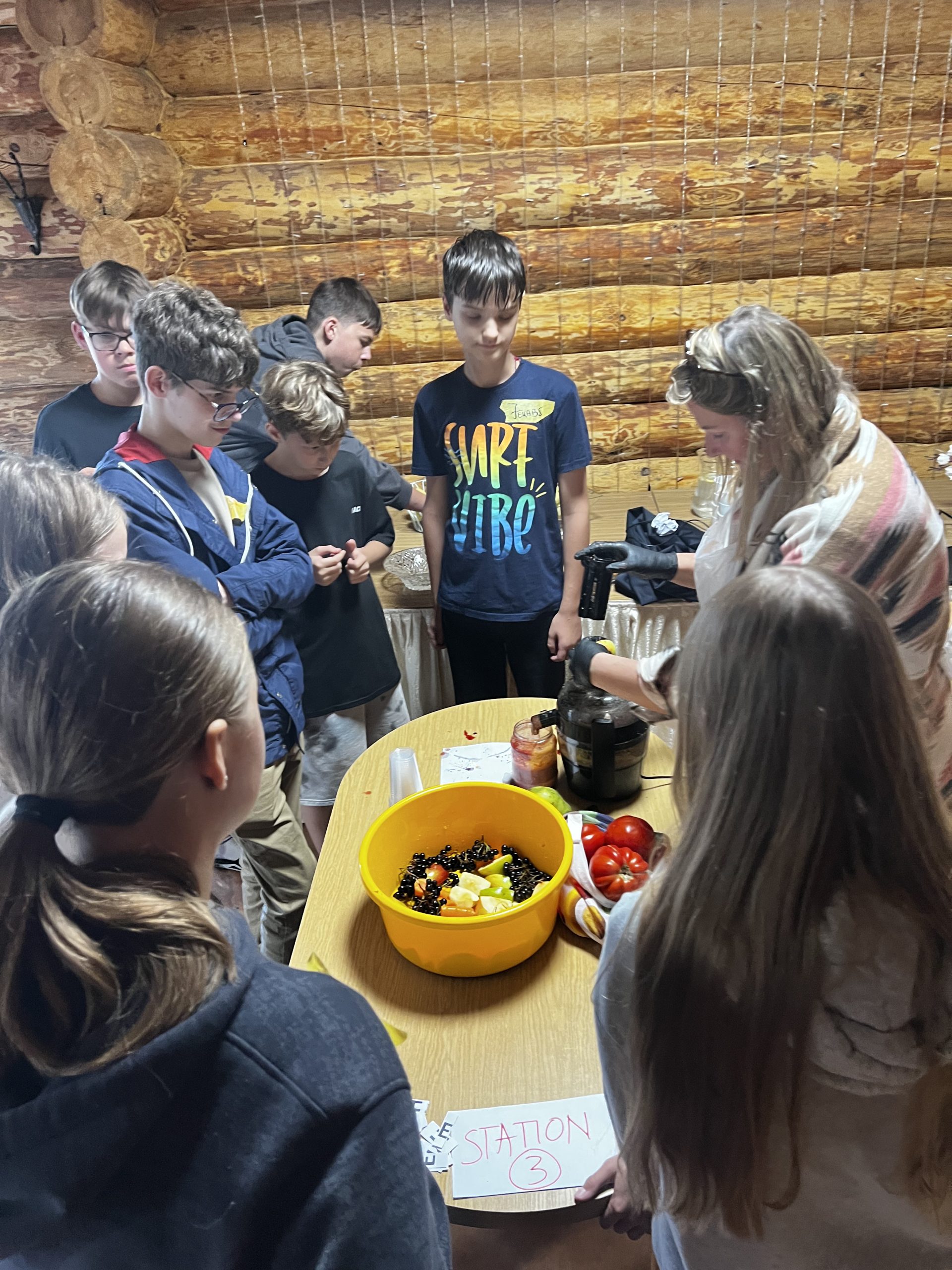
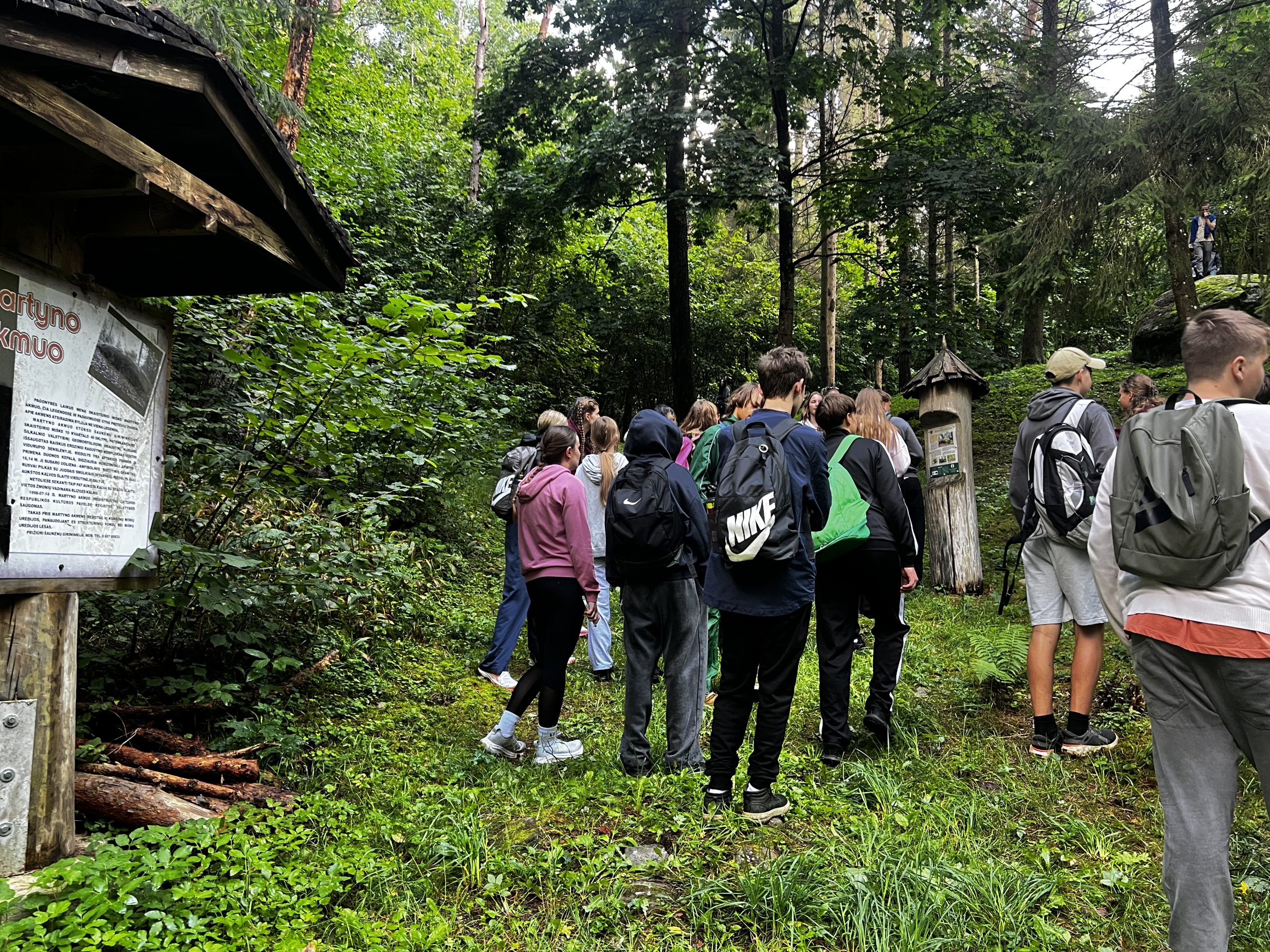
In Latvia, the Latgale Planning Region organized a youth camp in Preiļi focusing on physical activity, healthy lifestyle, cooperation and shared experiences. Two hiking routes of different lengths were also prepared in Latgale, and a 25 km hiking event was organized as part of the project activities. The Kurzeme Planning Region implemented 10 healthy lifestyle and physical activity events for children and young people in different municipalities, combining healthy lifestyle and nutrition education with practical activities such as exercise and cooking. Regular physical activity sessions also continued in the pilot areas, providing local residents with accessible opportunities to exercise.
International cooperation was an important part of these activities. For international hikes and camps, the partner responsible for organizing a particular activity coordinated the event, while the other four partners selected and delegated participants from their municipalities or regions. As a result, participants from all five project partner territories were involved in the international activities, including hiking events and youth camps. This approach allowed the project to combine activities implemented locally by individual partners with cross-border participation and cooperation.
The international “A Billion Steps Challenge” continued to grow during the reporting period. Approximately 1,250 new participants joined the challenge during this period, bringing the total number of registered participants from the participating Lithuanian and Latvian territories to around 3,300. The second challenge period concluded with a total of 2,886,937,952 steps recorded. The most active territories and participants were recognized, while the next stage of the challenge continued during the third reporting period.
Work also continued on the development of healthy lifestyle walking routes and their supporting educational content. Partners prepared route information and developed materials on physical activity, healthy nutrition and other aspects of a healthy lifestyle. The planned content includes audio and video guides and articles prepared by the project partners, which will be incorporated into the routes and used to provide participants with additional information while encouraging healthy everyday habits.
Communication and publicity accompanied the implementation of project activities throughout the period. Partners promoted physical activity events, camps, hiking activities and the international step challenge through social media, municipal and partner communication channels, as well as through articles, news and video materials. Coordination between project partners and municipalities also continued to support participant recruitment, the organization of activities and preparation for the next reporting period.