


When we hear the words “folk art” or “folklore”, we probably first imagine traditional costumes, old songs, dances and perhaps a stage. But it only takes getting involved in such activities once to realise that traditional culture can be very different from what it seems at first glance. It is about friends, music, creativity, travel, adventure and discovery. And most importantly, it is about experiences that stay with you for a lifetime.
Today, traditions are not something we encounter only in textbooks or museums. They are brought to life in rehearsal rooms, camps, trips, creative workshops, on stage and in everyday interactions. And this is where groups of young people discover them – and often fall in love with them.
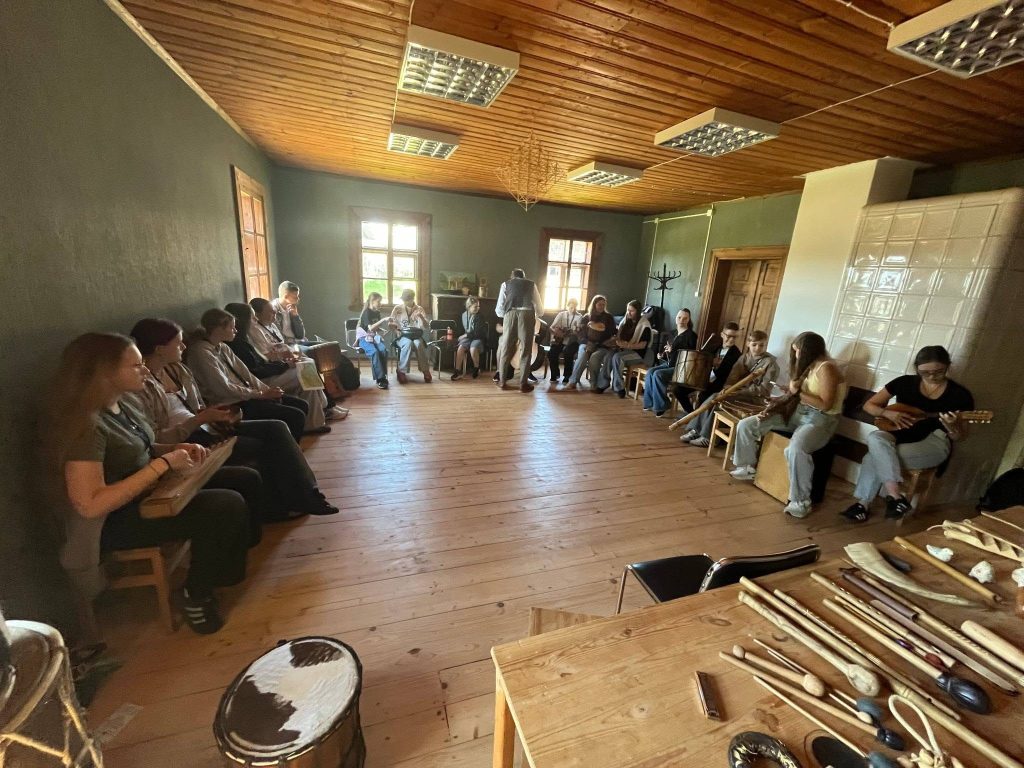
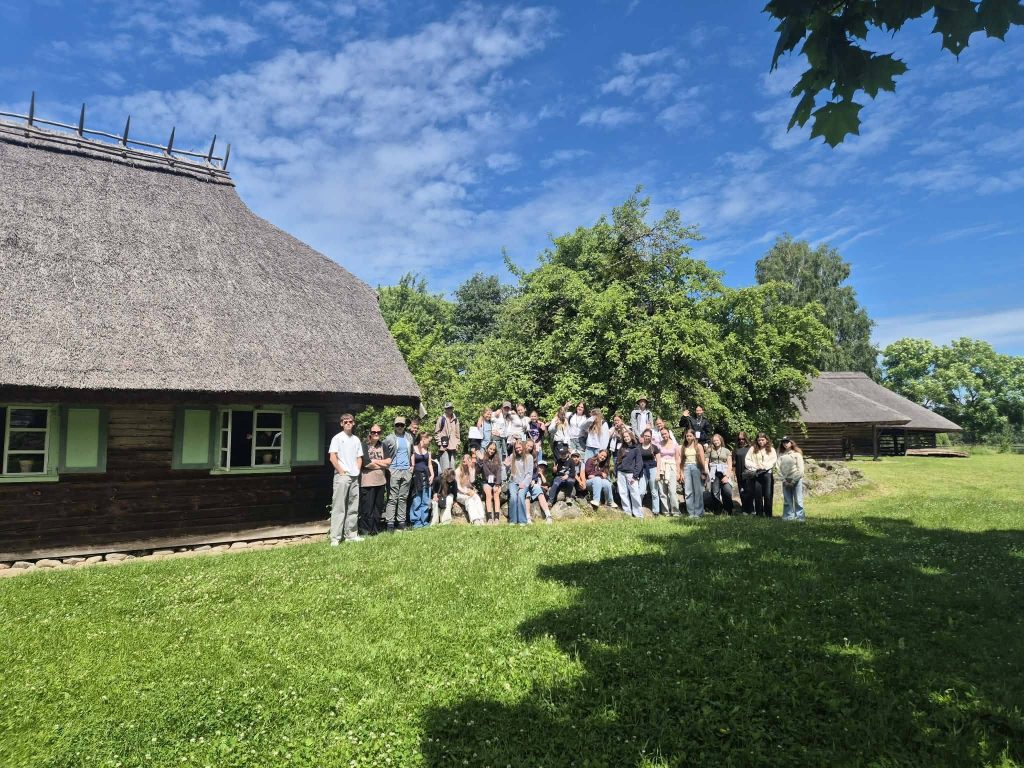
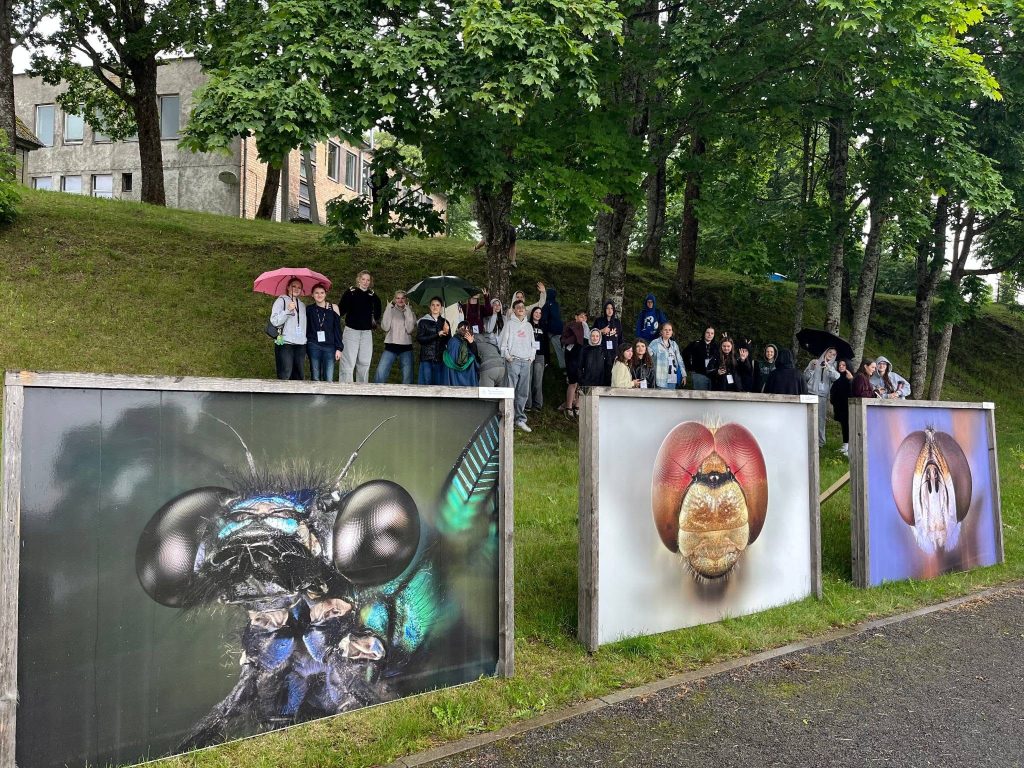
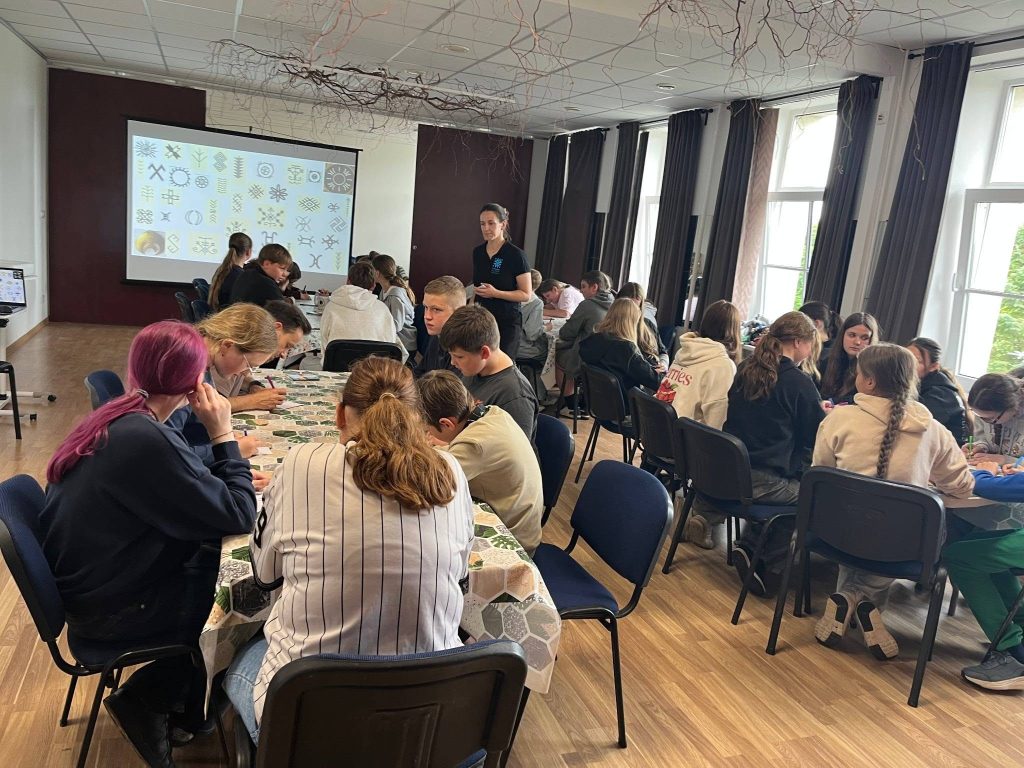
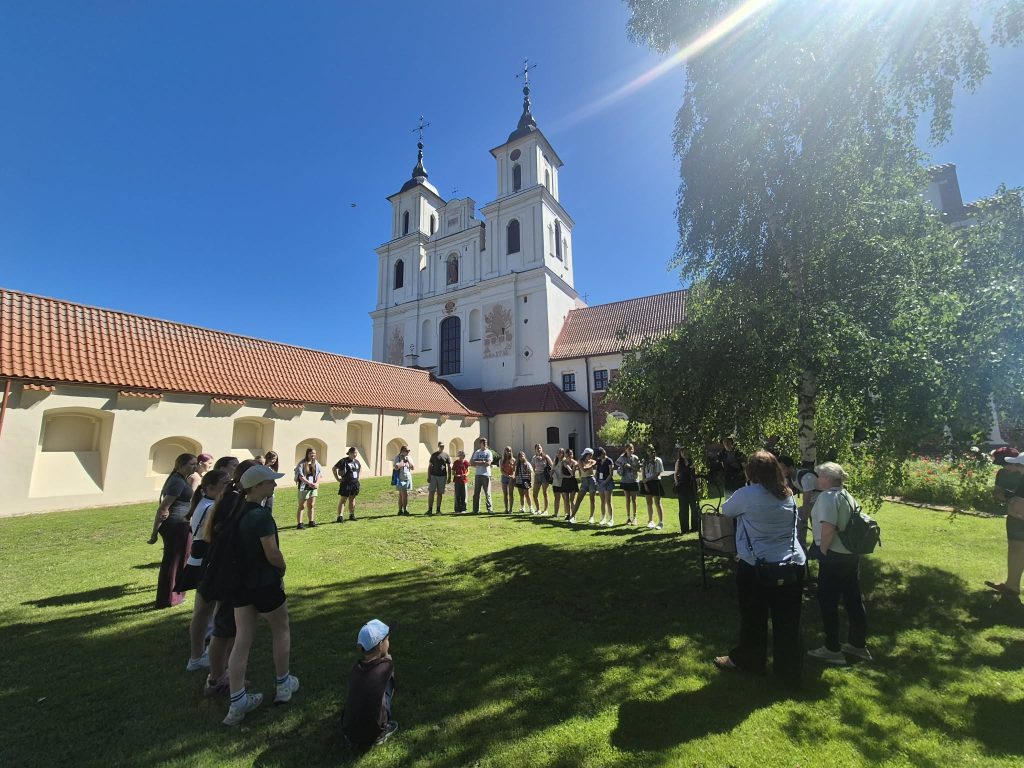
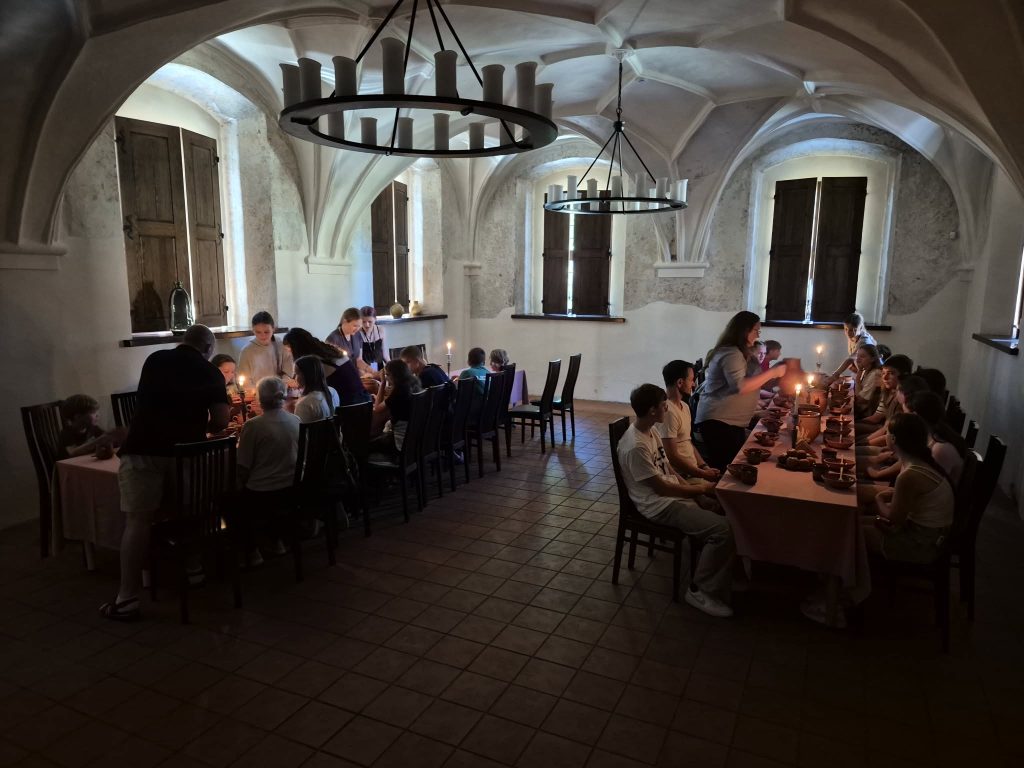
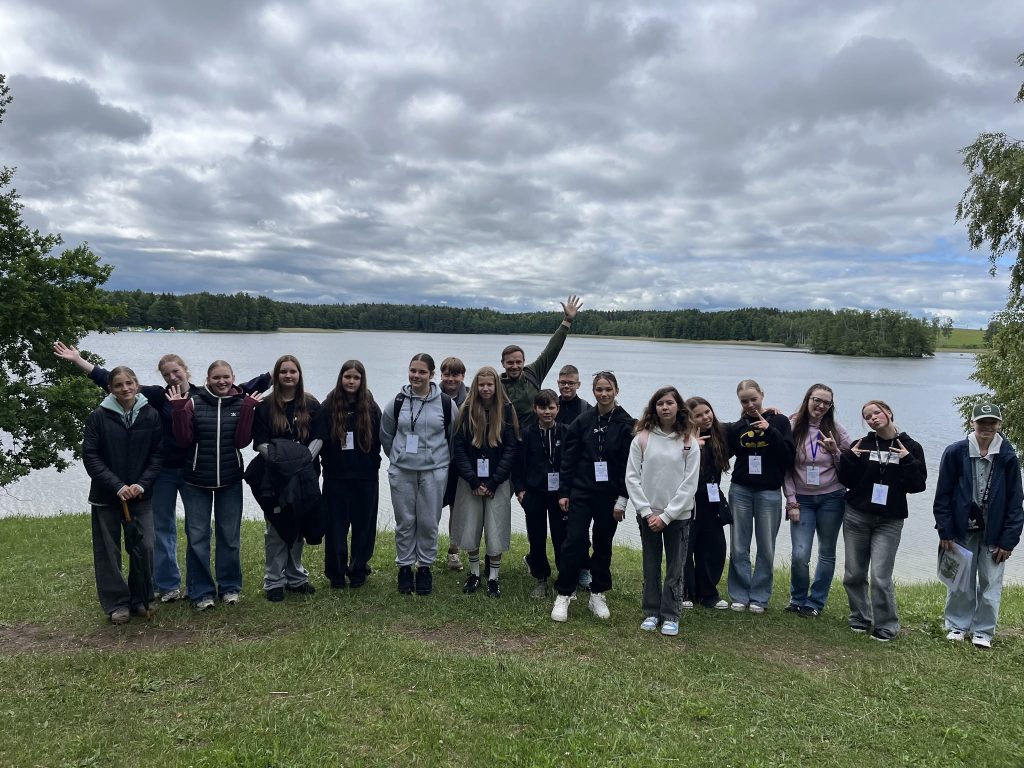
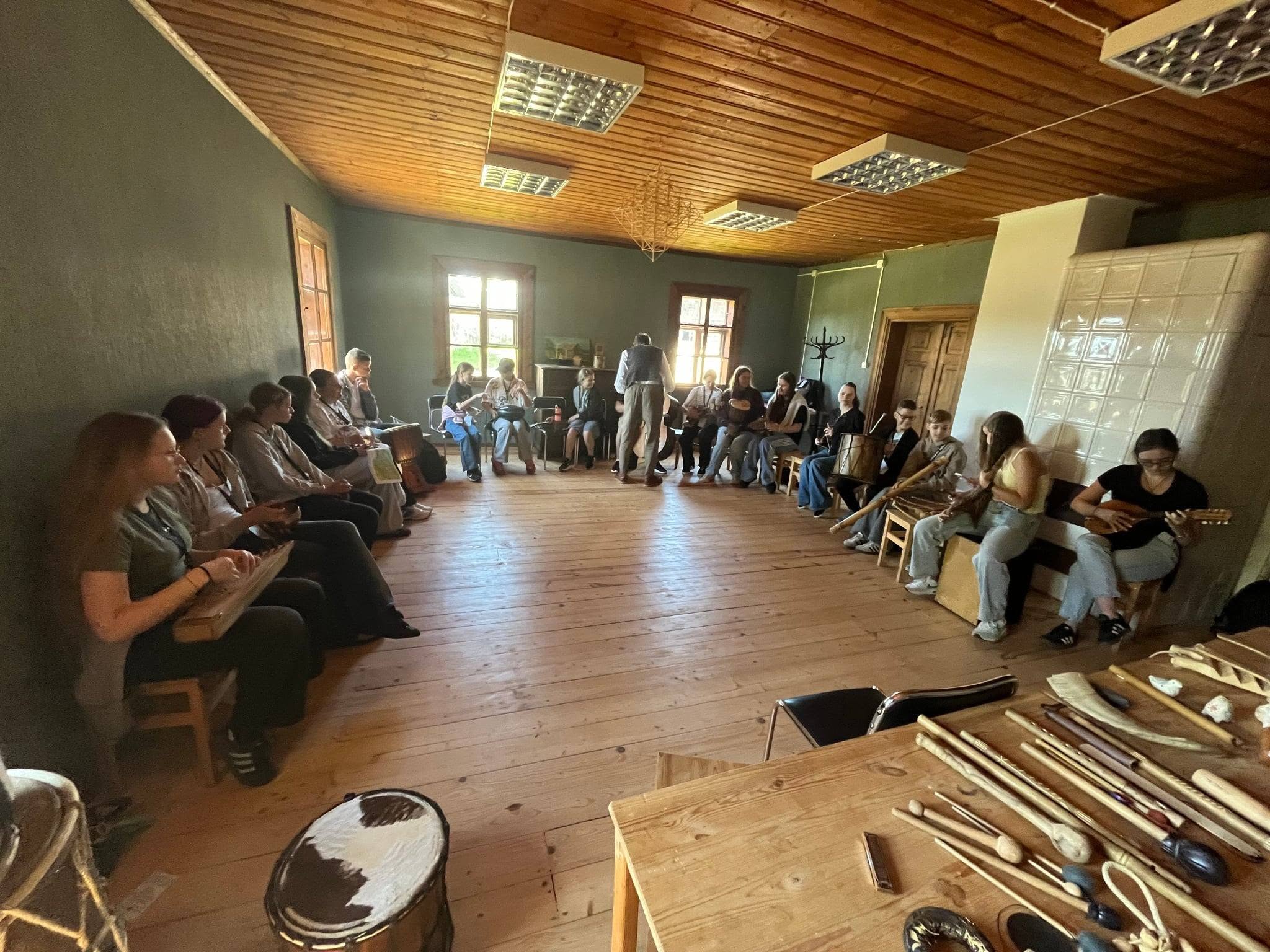
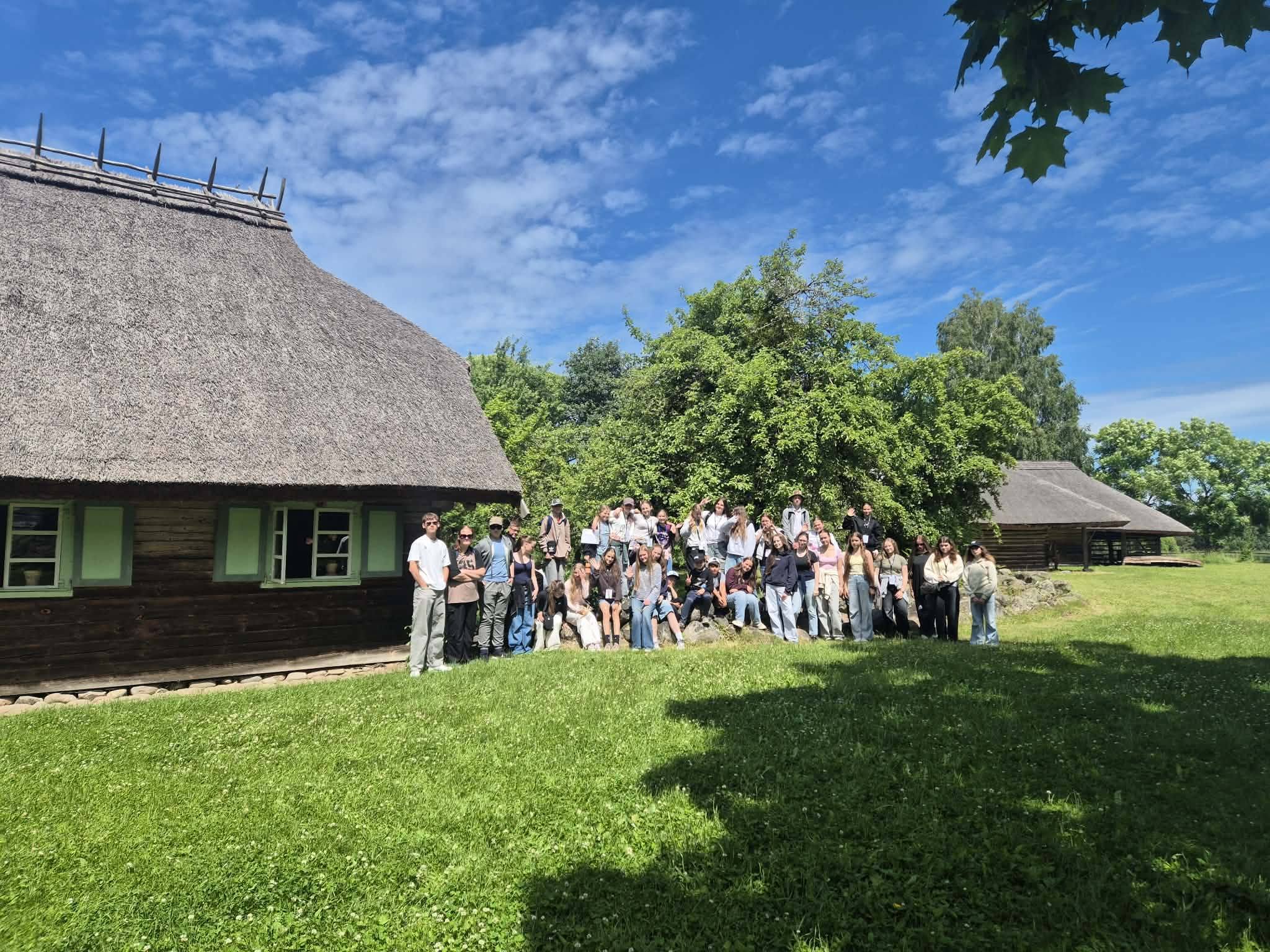
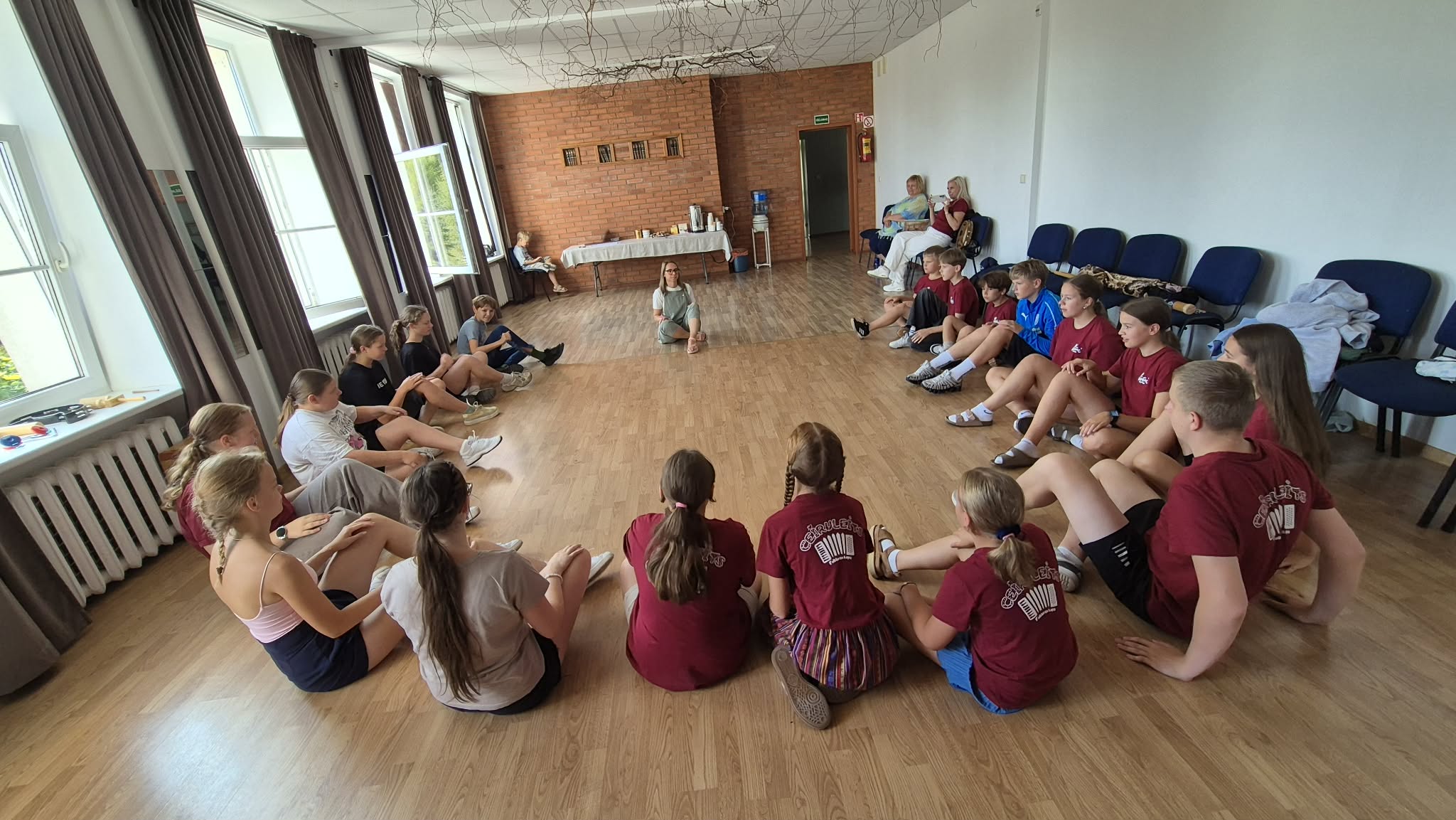
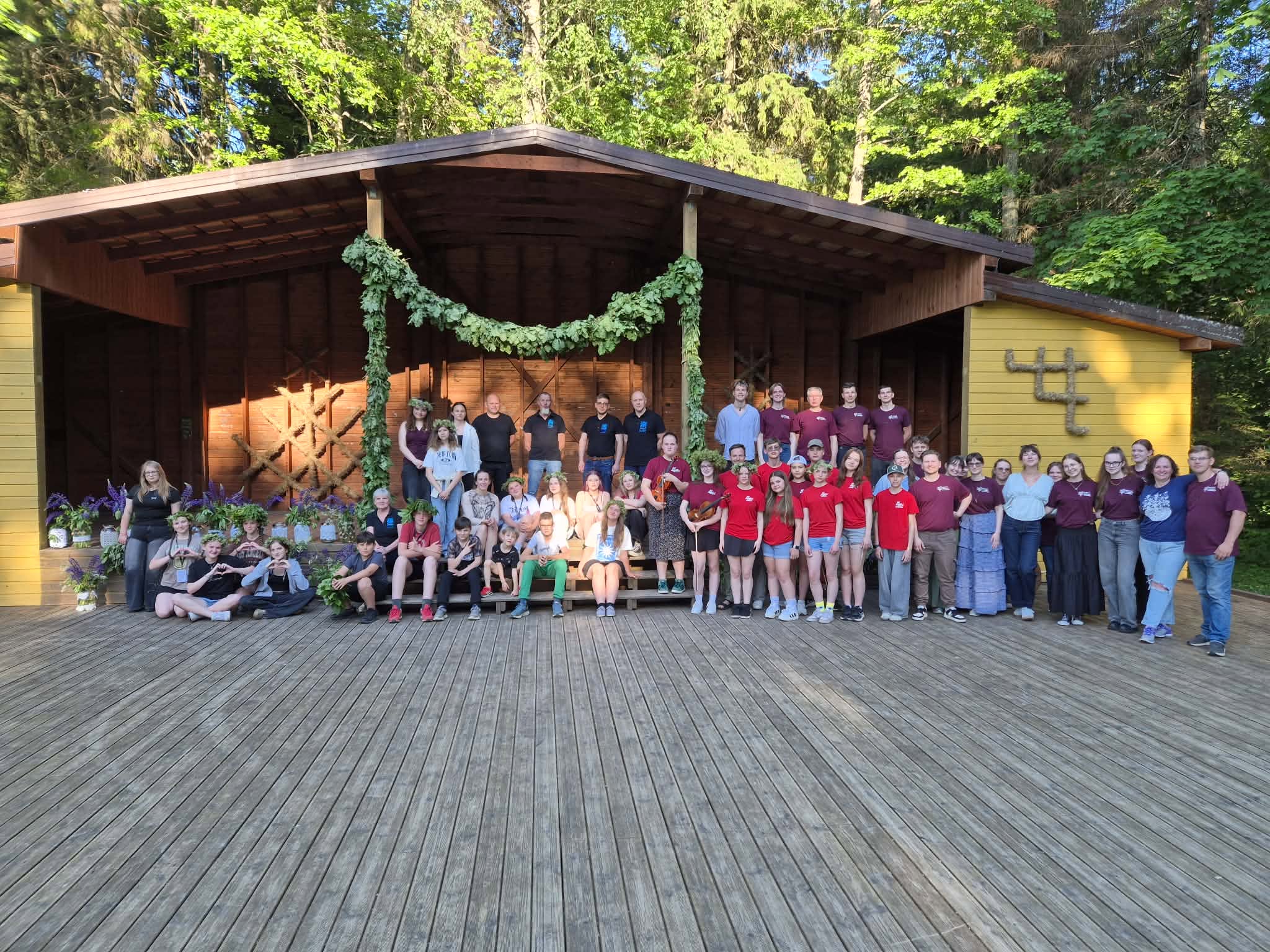
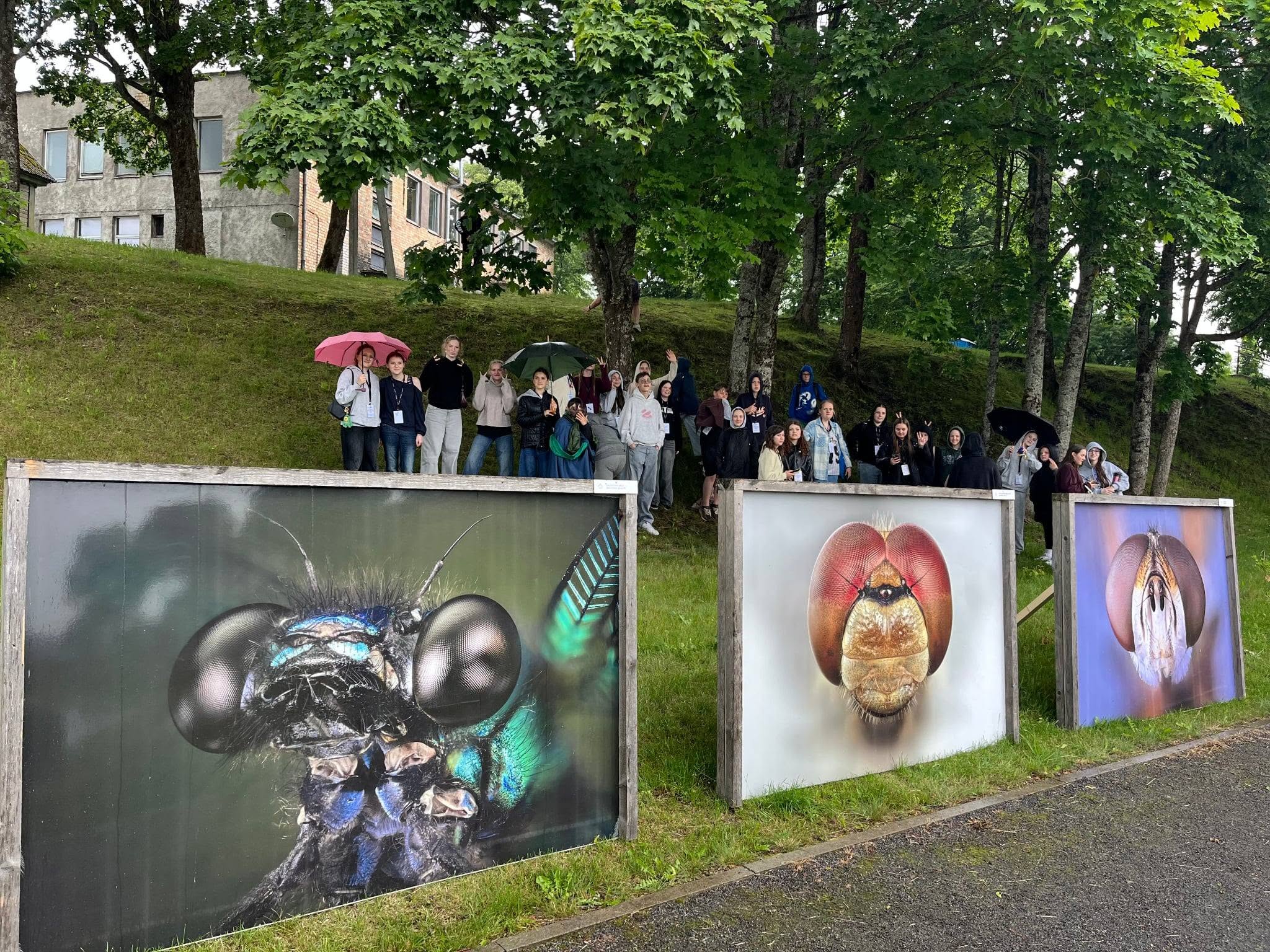
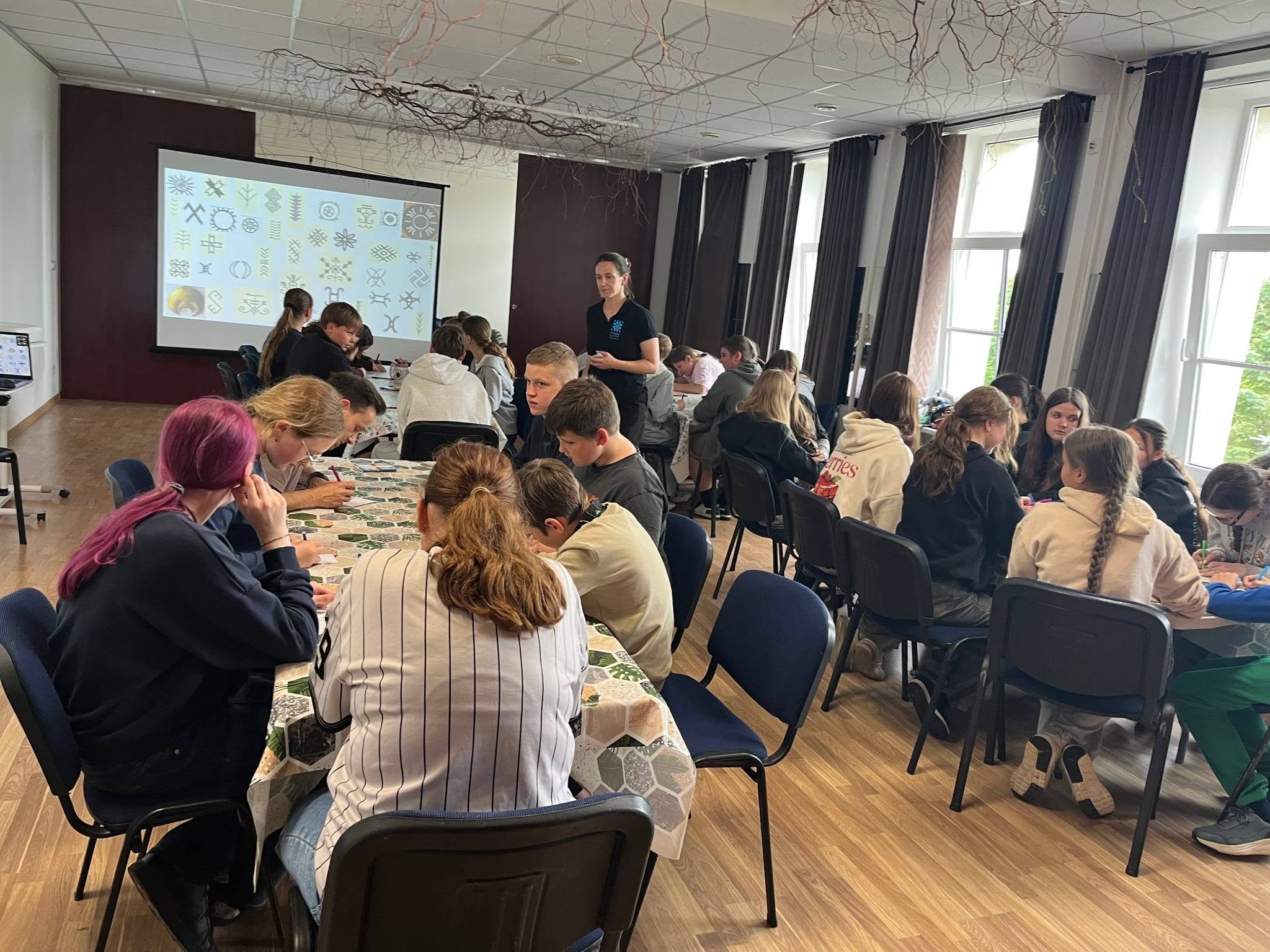
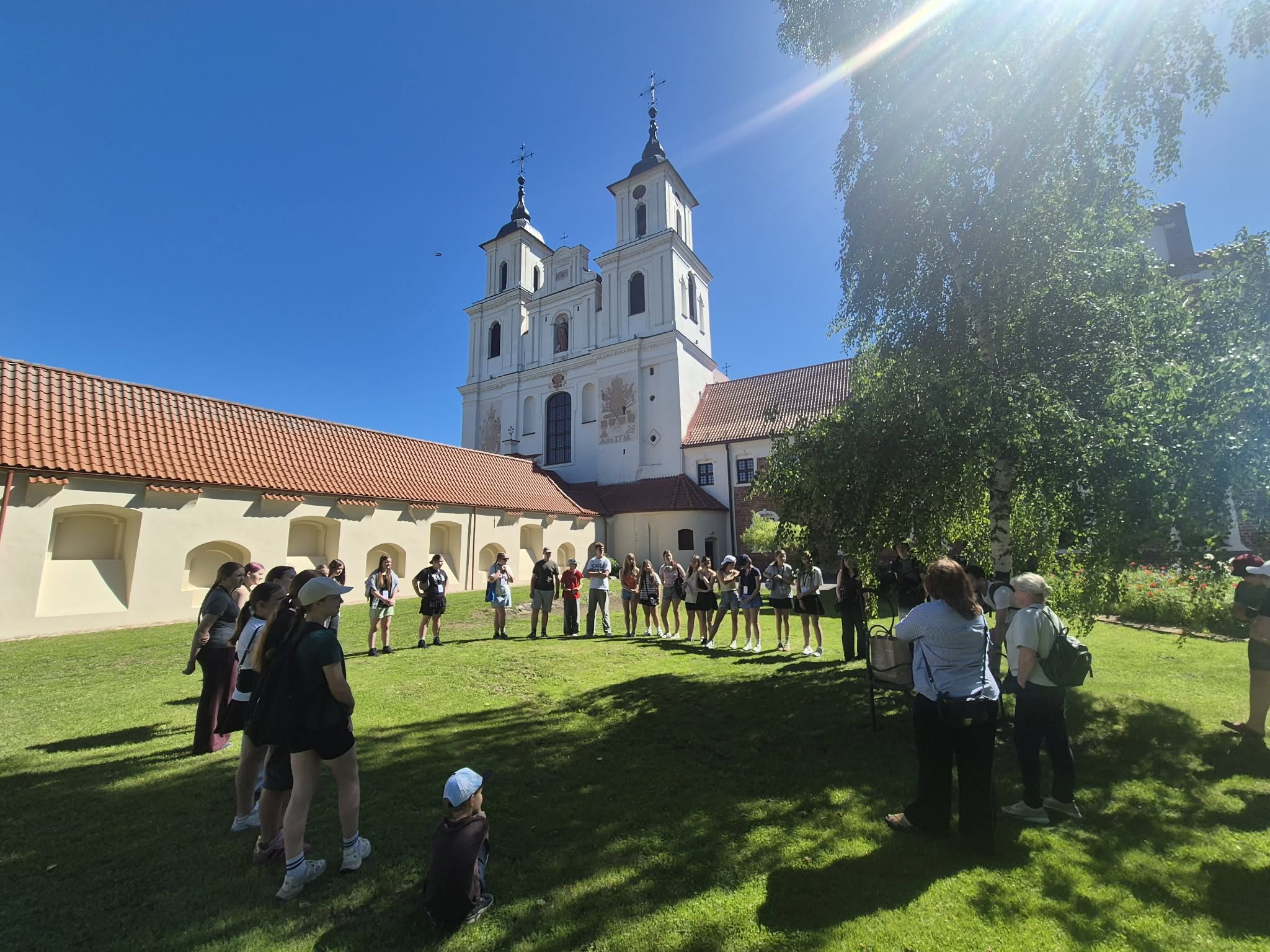
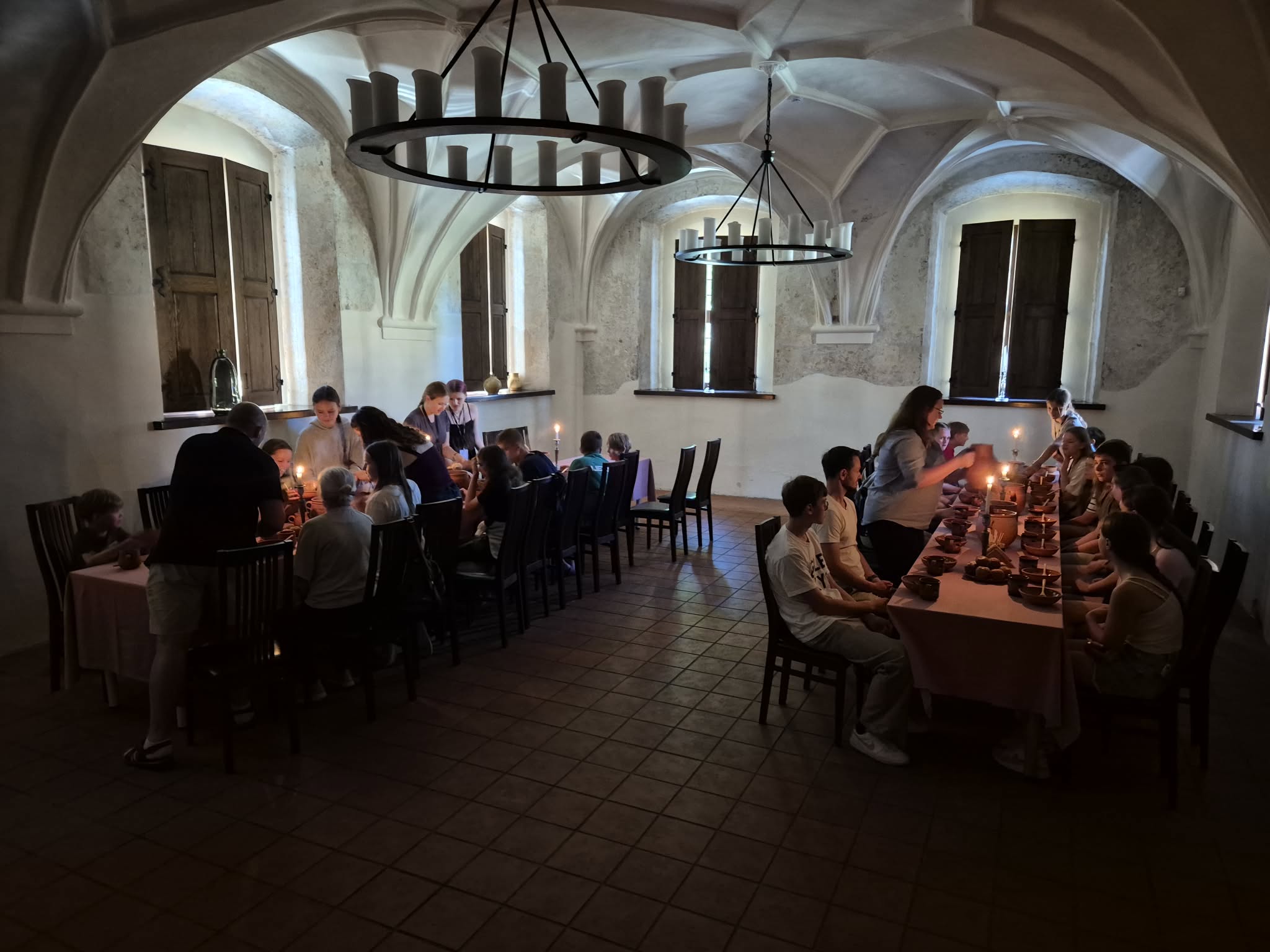
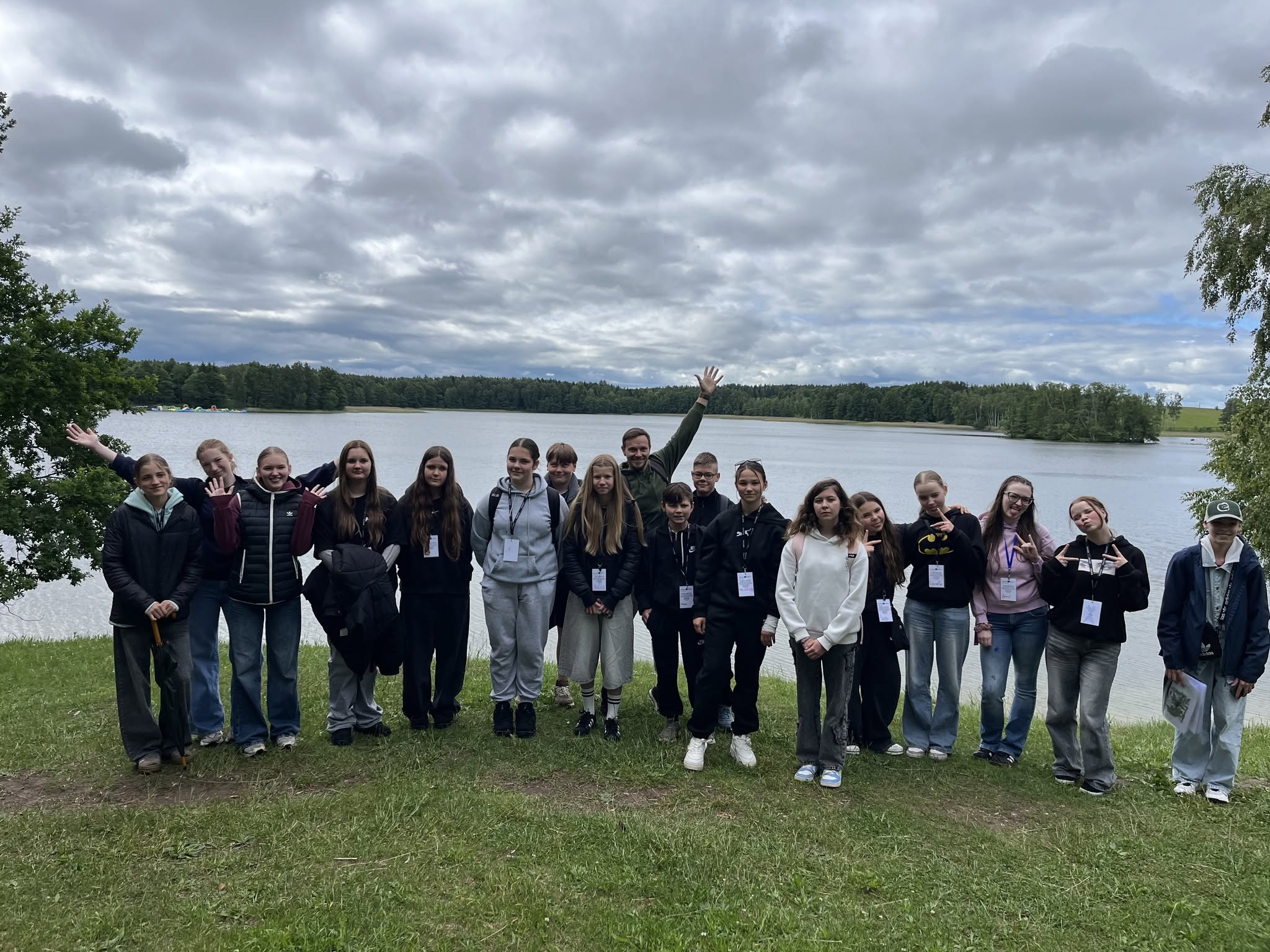
One of the best examples is the “Baltic Culture Adventure” camp organised this summer by Tytuvėnai Culture Centre for children and young people. During the camp, participants not only learned more about Baltic culture and traditions, but also had the opportunity to experience them for themselves. They went hiking in nature, learned traditional crafts and tried their hand at brass jewellery making, weaving, embroidery and ceramics, as well as discovering culinary heritage. During a trip to the Lithuanian Ethnography Museum in Rumšiškės, participants also took part in educational activities where they could create and make music. Activities like these allow young people not only to hear about or see traditions, but to experience them with their own hands – while also meeting new friends and sharing unforgettable moments.
“I really enjoyed the tasks we had to solve as a team. What I liked most was the warm atmosphere at the camp and the opportunity to make friends from Latvia. Evenings around the campfire, games and cultural exchanges helped us get to know our neighbours’ traditions and language better,” says project participant Morta.
It is precisely these kinds of experiences that often become the reason why a young person who was initially sceptical about traditional culture later wants to get involved. Because here, you can not only learn new things, but also discover something you may never have tried before. And be surprised! We often do not realise just how fun, rich and inventive our traditional culture can be.
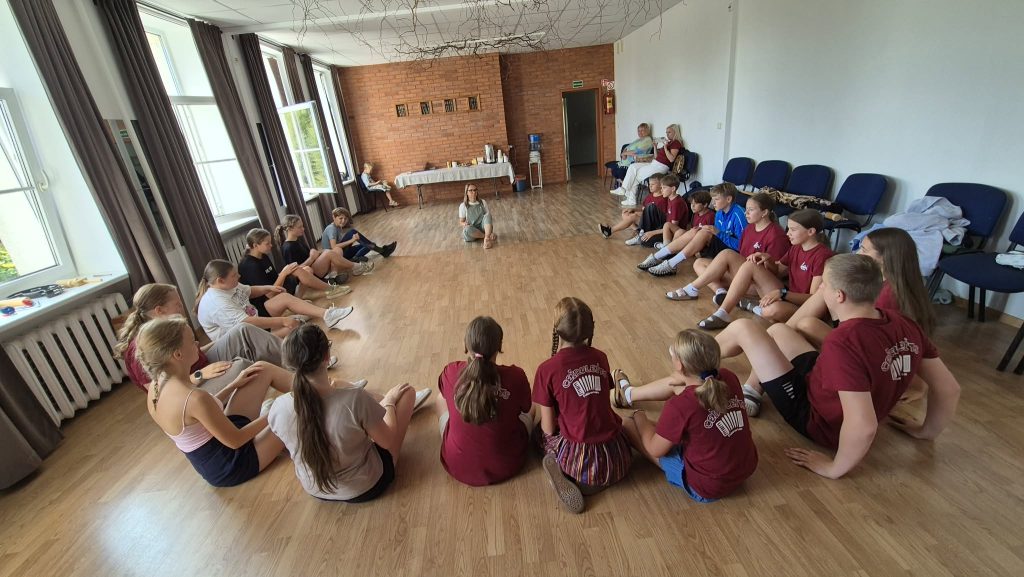
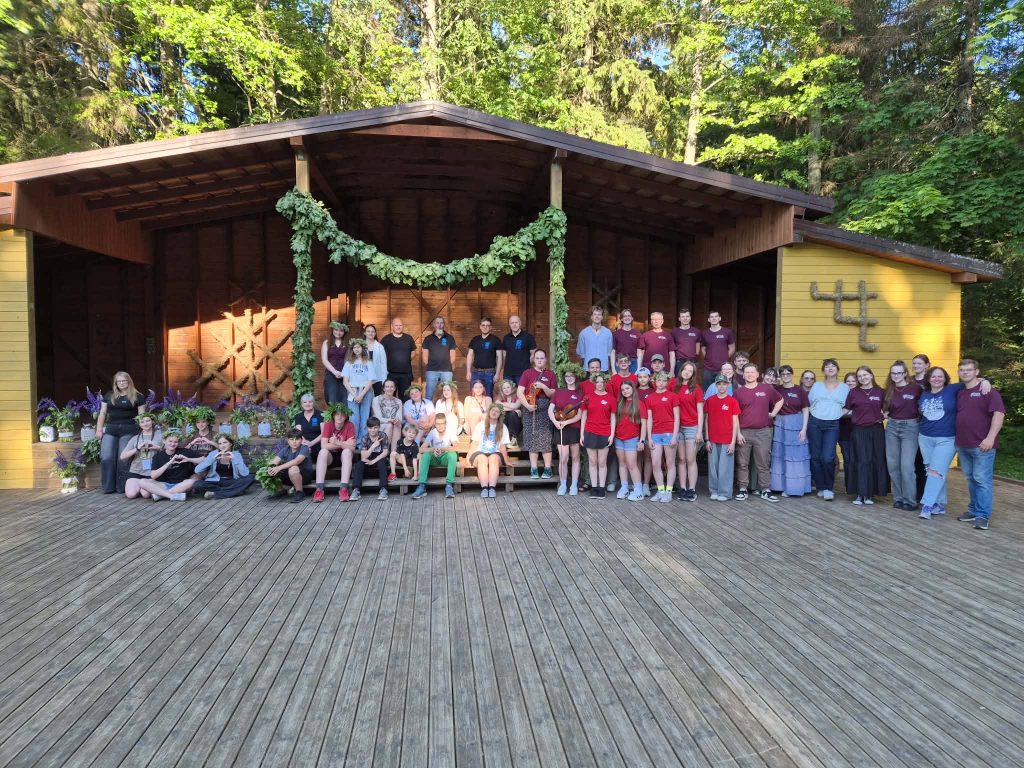
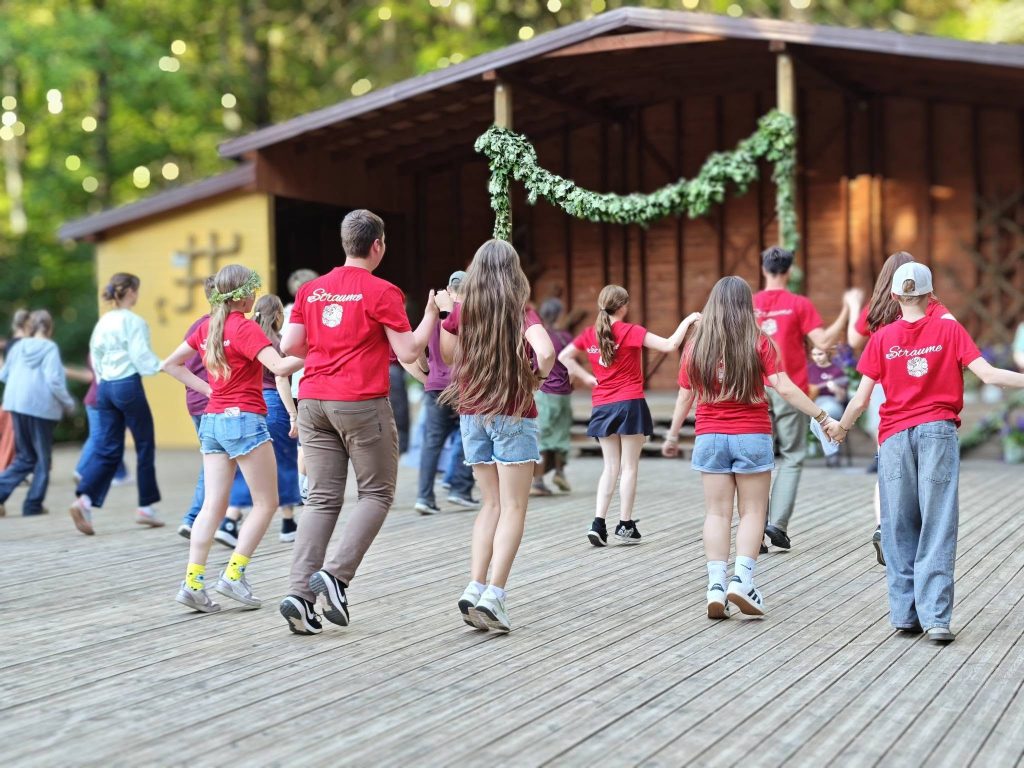
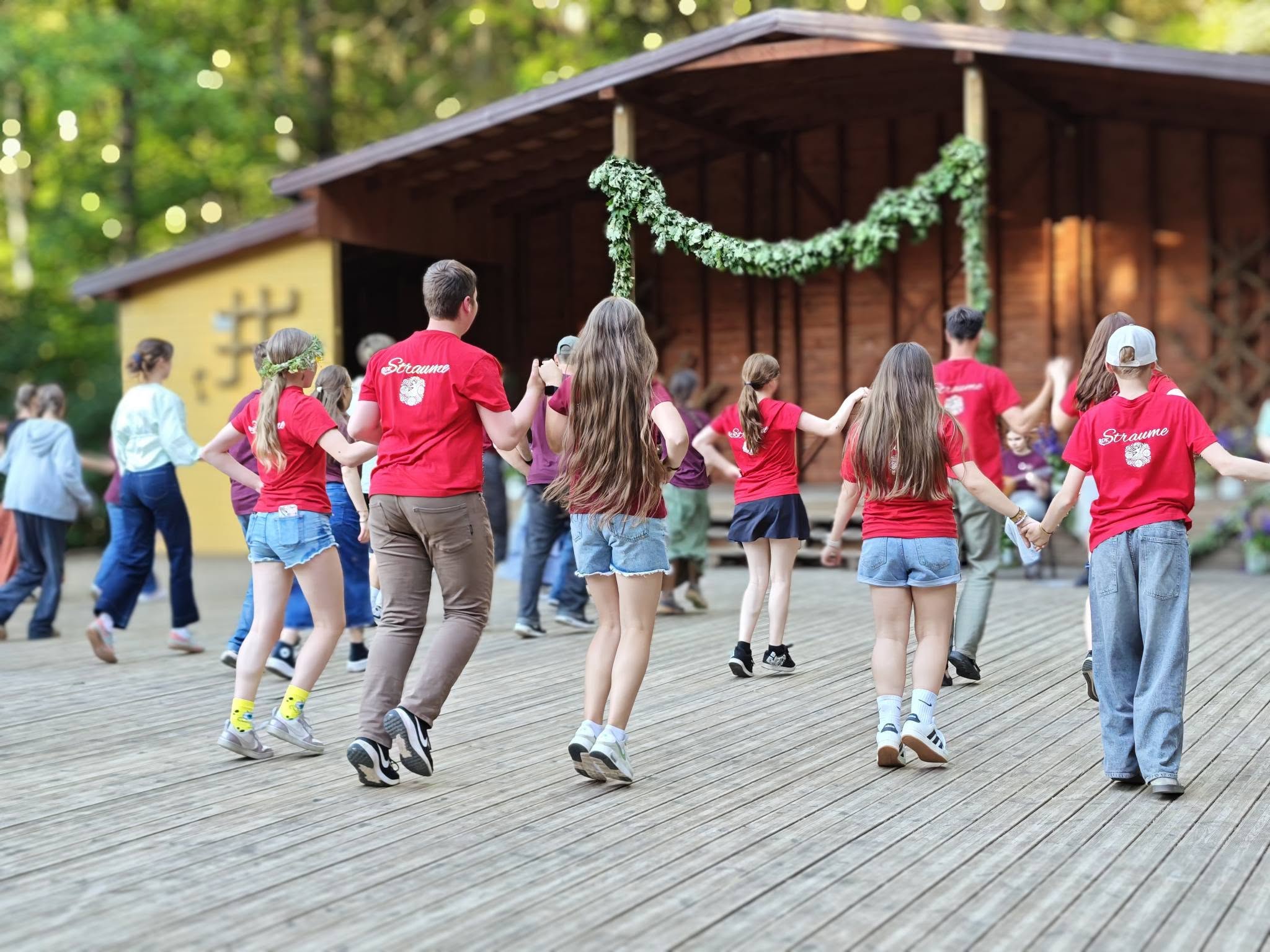
Another important part of Tytuvėnai Culture Centre’s activities is the opportunity for young people to meet their peers from other places. Through Lithuanian-Latvian youth cooperation activities, young people from Tytuvėnai met with young people from the city of Līvāni. Together, they learned traditional dances, songs and games, shared their countries’ cultures and created joint programmes. At first glance, it may seem that culture is what brings people together, but very quickly the most important part becomes the people themselves: laughter, conversations, team challenges and new friendships.
“I really enjoyed taking part in the Latvian project. It was interesting to communicate with young people from Latvia and learn about their culture and traditions. It was great to spend time together, take part in different activities, dance and make new friends. This project left me with many positive impressions and pleasant memories,” says project participant Jorinta.
Activities like these give young people something that can sometimes be missing from everyday life – a space to be themselves while also feeling that they belong to a group. You do not have to be the best dancer, an excellent singer or know how to play an instrument. You join a group to learn. At first, you may feel shy, and the first rehearsals may seem unusual, but over time you meet people who share your interests, performances and experiences.
The stage gives you a chance to challenge yourself. Some people enjoy being in the spotlight, while others prefer creating behind the scenes. One person discovers music, another dance, while someone else realises they enjoy making crafts or trying traditional crafts. Others may discover a passion for photography, documenting events, creating decorations, costumes or jewellery. For someone else, the most important thing may simply be the group itself and the people they can spend time with.
“The project gave me the opportunity to learn about another country’s culture, language and people. I learned a little Latvian and also realised that I can do more than I thought and that I can believe in myself. I would like to take part in activities like this again – I really enjoyed it,” says project participant Kamila.
This is one of the most important reasons to try traditional culture activities: they do not necessarily have to become your lifelong hobby. Perhaps after a few rehearsals you will realise that singing is not for you. Maybe you will try dancing and decide to look for something else. But you may also discover something you have been looking for a long time, because sometimes you simply do not know what you like until you try it.
Through a variety of activities, young people can sing, dance, make music, learn traditional crafts, take part in camps, trips, events and projects. It is an opportunity not only to learn about the culture of your region, but also to develop teamwork and communication skills, gain confidence performing on stage, take responsibility and discover your strengths. This is especially important during the school years, when interests, friendships and a sense of identity are still developing.
Not every child easily finds a place where they feel they belong. That is why the opportunity to join a group, meet like-minded people and create something together can be much more than just another after-school activity. And there is another bonus: when you join a group, its members are always ready to welcome you, help you and teach you.
Traditional culture also allows us to see our own region from a different perspective. A song, dance, musical instrument or craft is not simply a part of the past. When a young person takes it up, it becomes alive today. And when young people from Lithuania or Latvia create a new programme together, learn from one another and share their traditions, culture becomes not a memory of what once was, but something that is happening right now.
Perhaps that is why it is worth approaching folklore and traditional crafts without preconceived ideas. Not as something from “our grandparents’ time” that we should know simply because we are expected to, but as another way to experience, try, create and find your people. After all, a song can be more than just a song. It can become your first performance on stage. A dance can lead to a new friendship. Music can become a way to express yourself. Something made with your own hands can be the first talent you discover. And being part of a group can give you a place you want to come back to.
So, if you have ever thought that folk art is definitely not for you, perhaps it is worth asking yourself a different question: what if you simply haven’t tried it yet?
The doors of Tytuvėnai Culture Centre are open to those who already know what they want to do and to those who are still searching. You can simply come and give it a try. And who knows – perhaps this is where your next adventure will begin.
The activities are implemented as part of the Interreg VI-A Latvia–Lithuania programme project “Revitalizing people-to-people interaction through youth engagement in traditional Lithuanian and Latvian culture activities”. The project is partially funded by Kelmė District Municipality.
Photos by S. Starkutienė and B. Buchienė, Tytuvėnai Culture Centre.
Information provided by Tytuvėnai Culture Centre