


Send us a message

Project duration
01.02.2024 – 31.01.2026
Project ERDF co-financing
395 063,47 EUR
INO-REHAB
LL-00121
New look towards successful rehabilitation of vulnerable groups
Common territorial challenge (s) that will be tackled by the project
Lithuania and Latvia face the same challenges regarding vulnerable people, with a significant lack of innovative rehabilitation solutions for the development of social skills. This project provided an opportunity to introduce an innovative approach by developing the autonomous use of a sensory rehabilitation method through newly created rehabilitation practices. These practices enriched rehabilitation opportunities and enabled individuals to use resources autonomously, based on social cognition, while practicing social skills in real-life social situations. A total of 72 specialists improved their qualifications. As a result, over 2,000 vulnerable people in the partner institutions will benefit from the project outcomes annually.Project objective
To create the innovative support measures based on social skills enhancement for successful inclusion of vulnerable groups into society.Planned activities
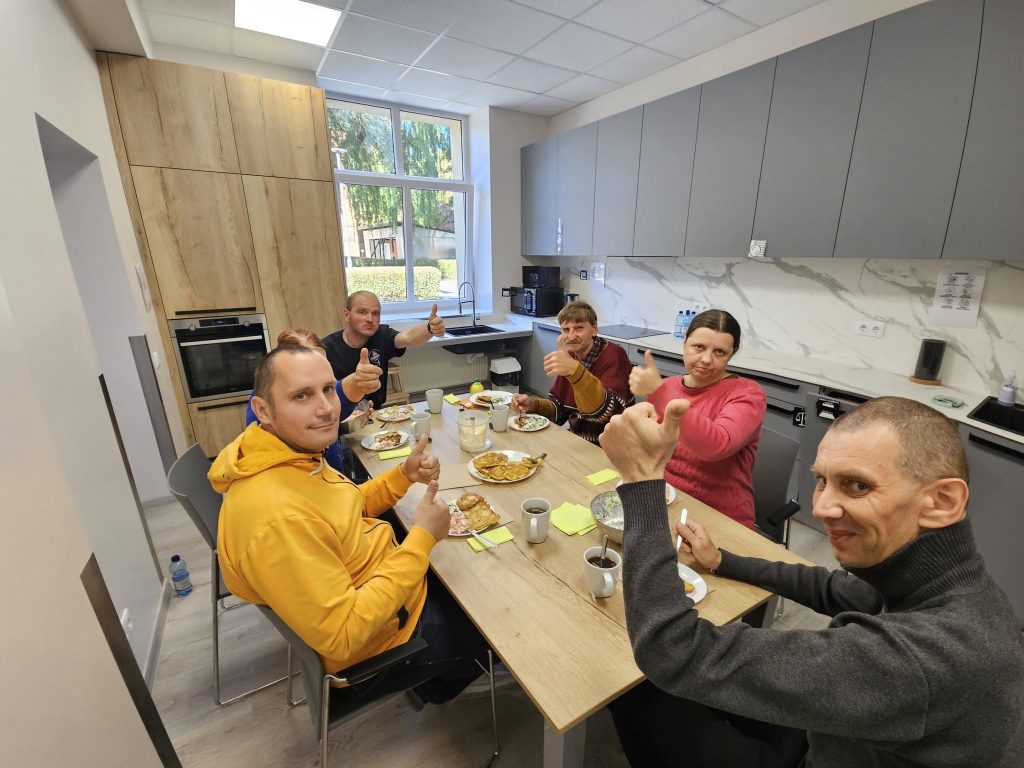
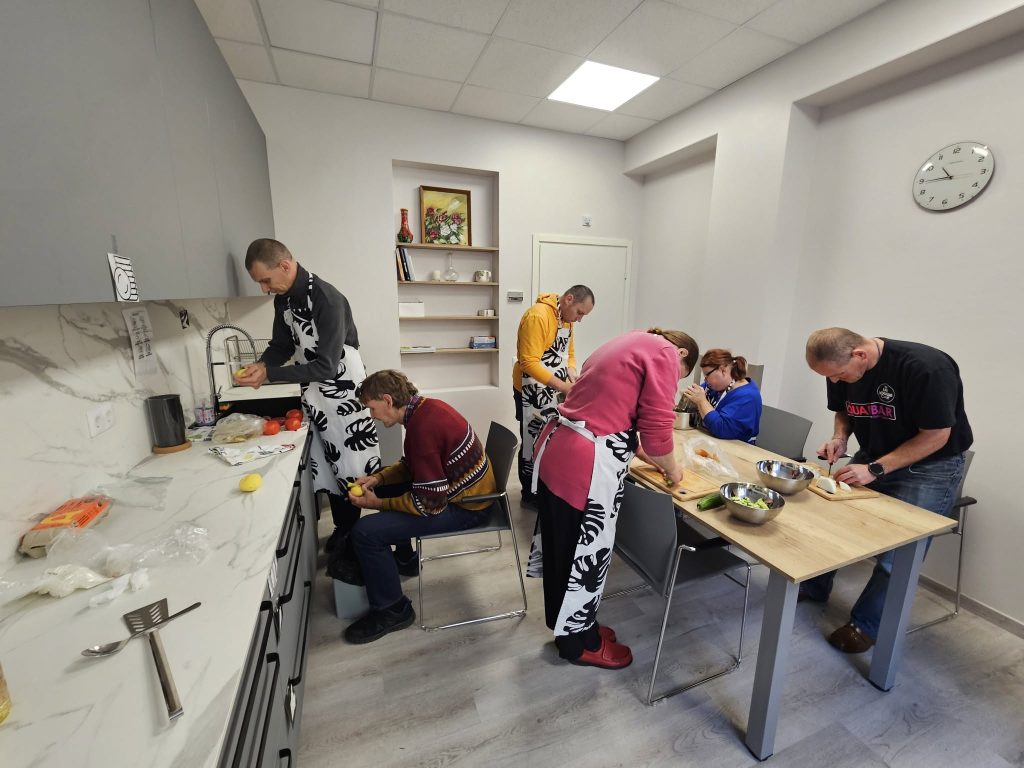
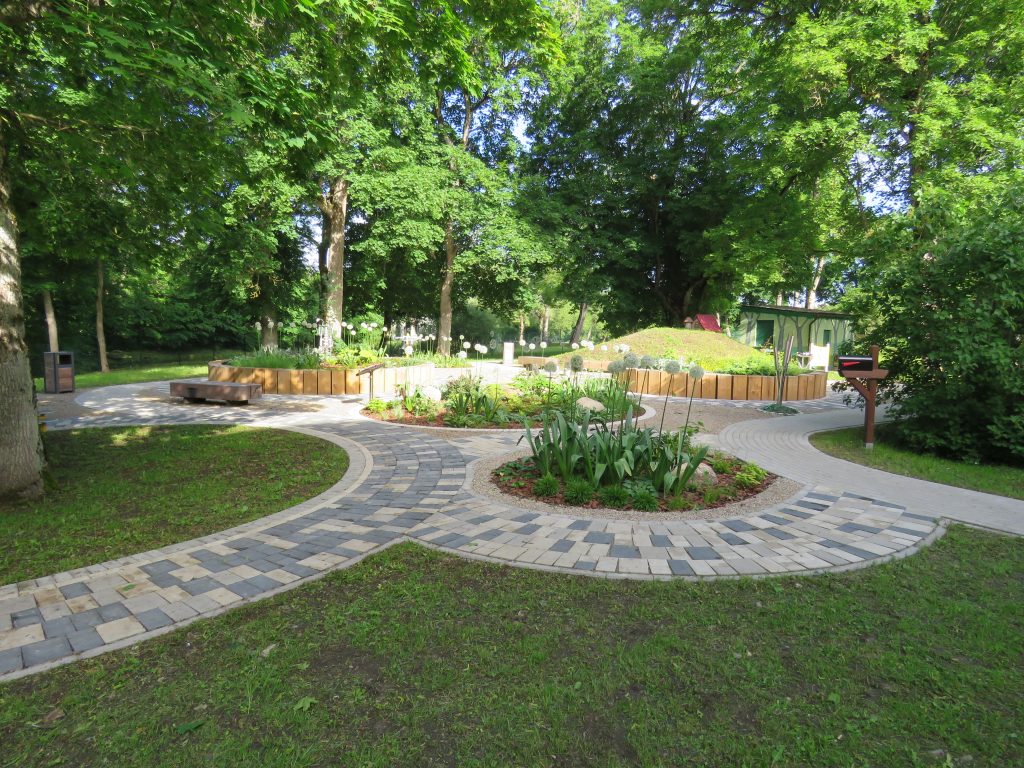
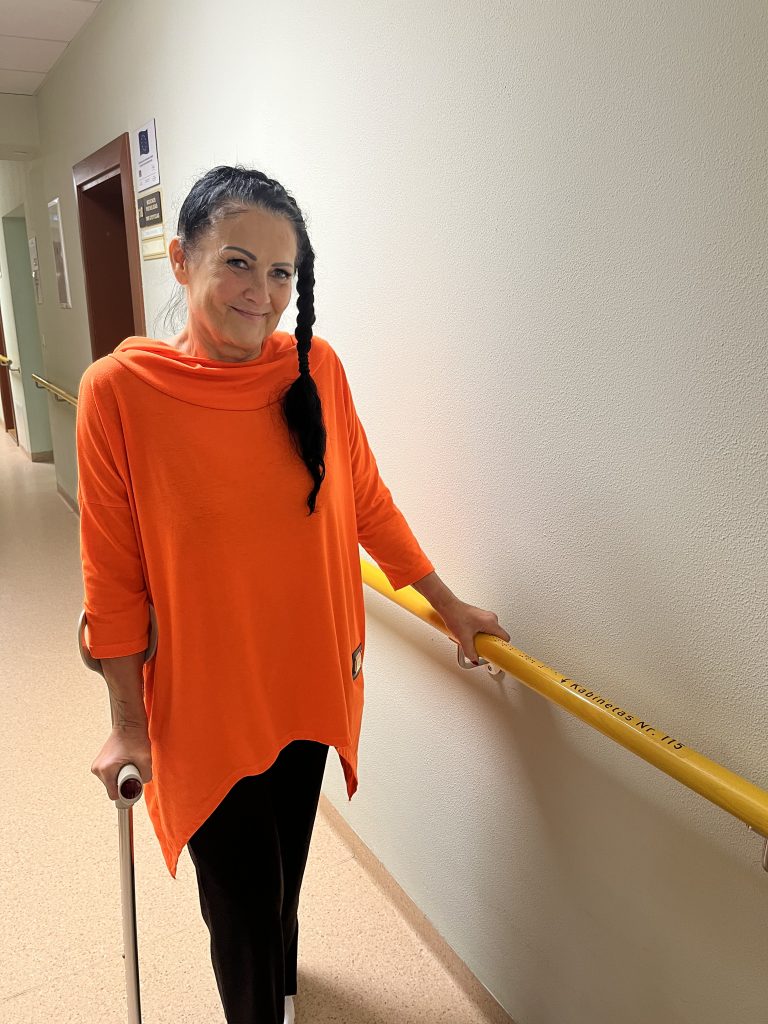
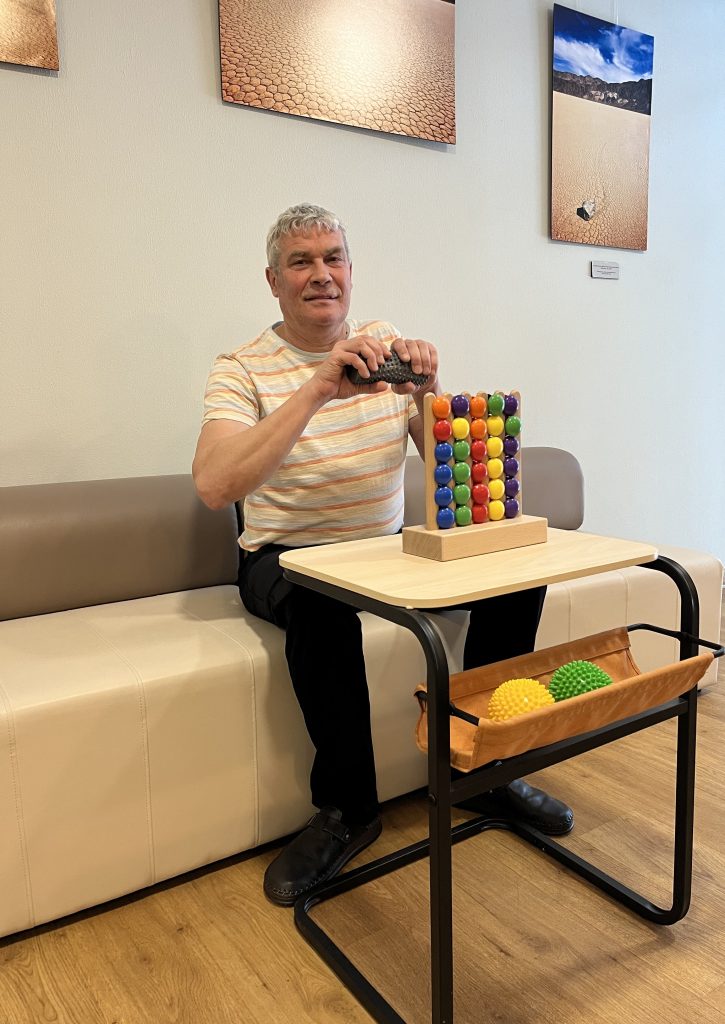
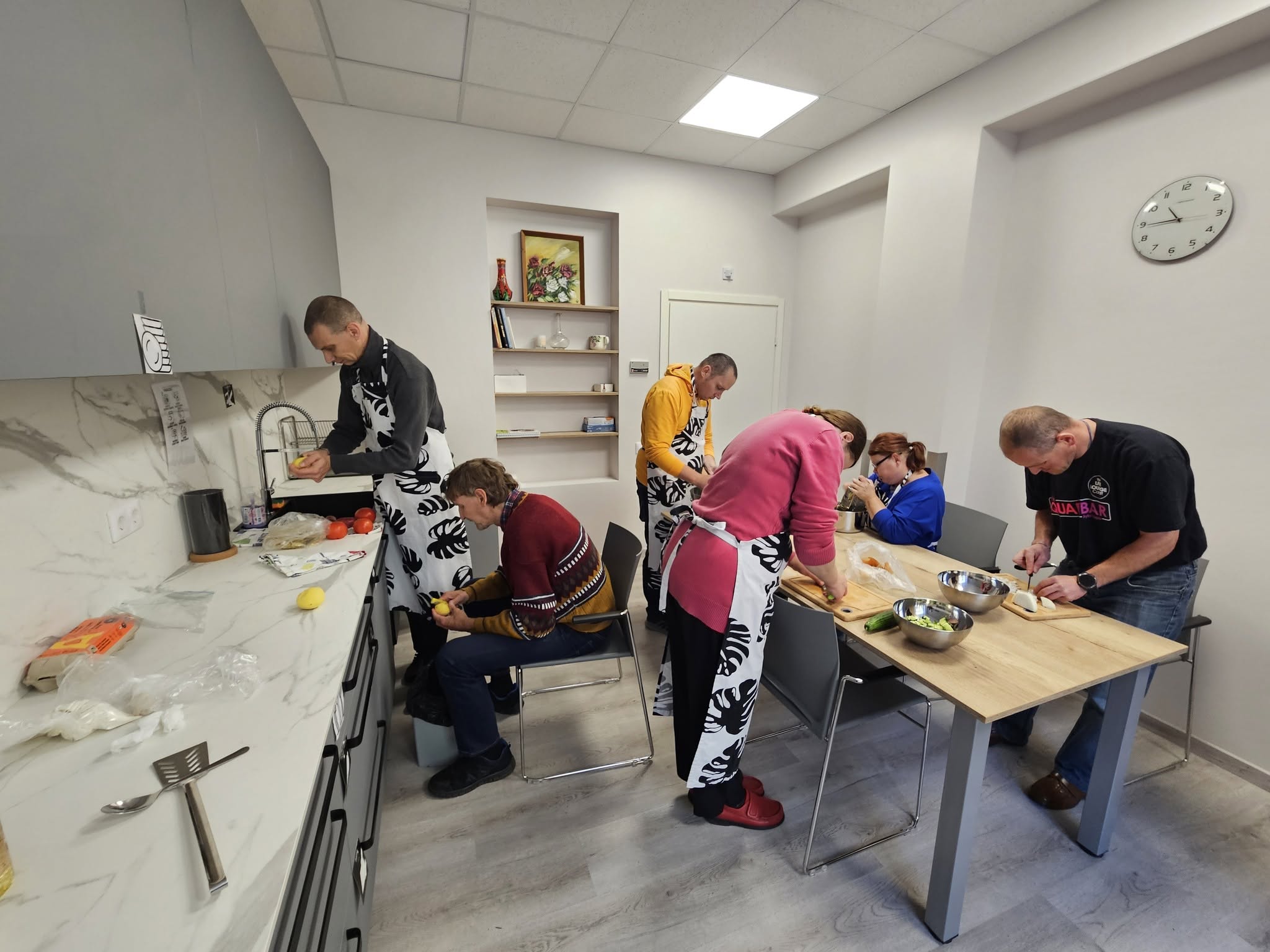
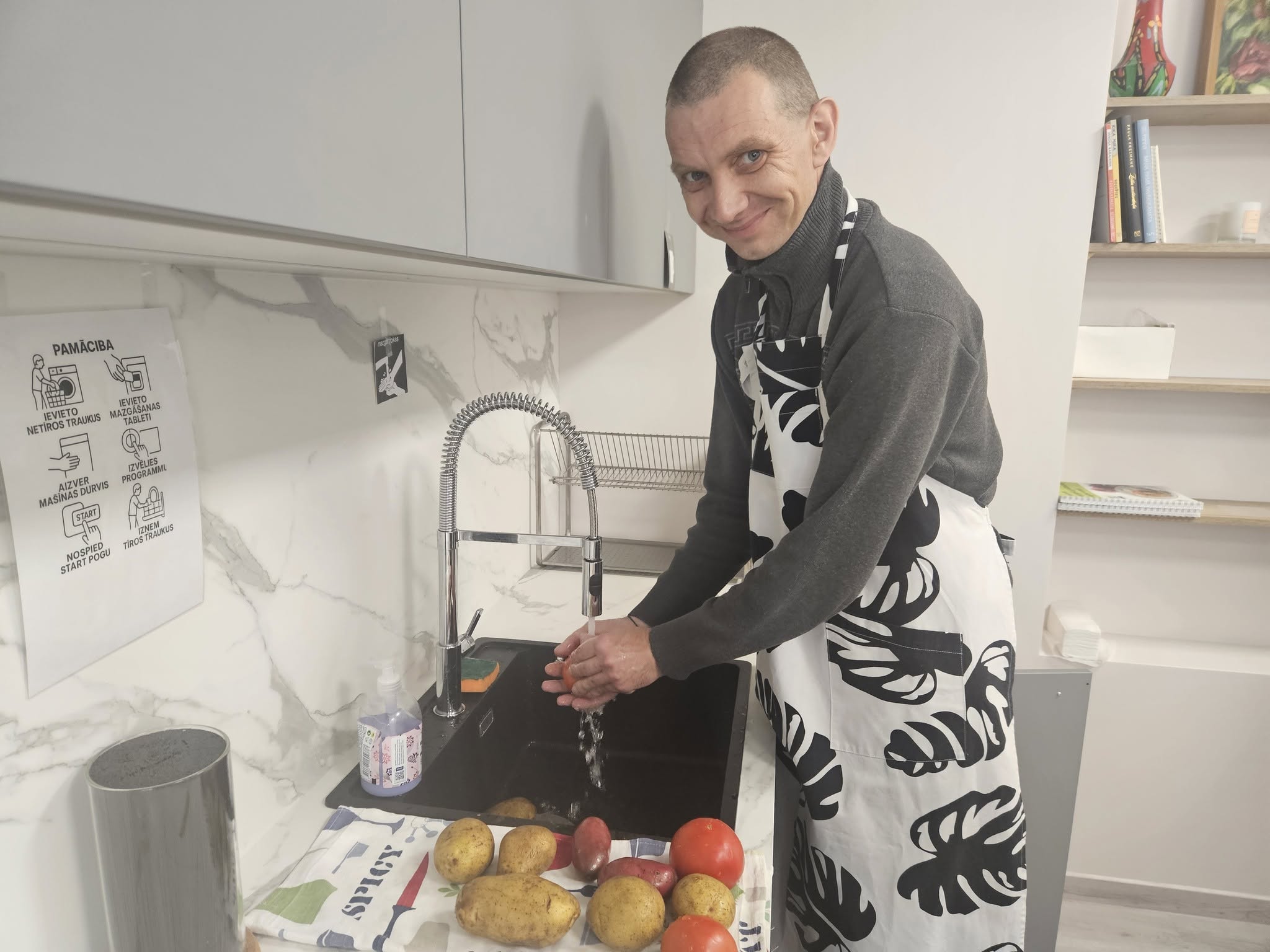
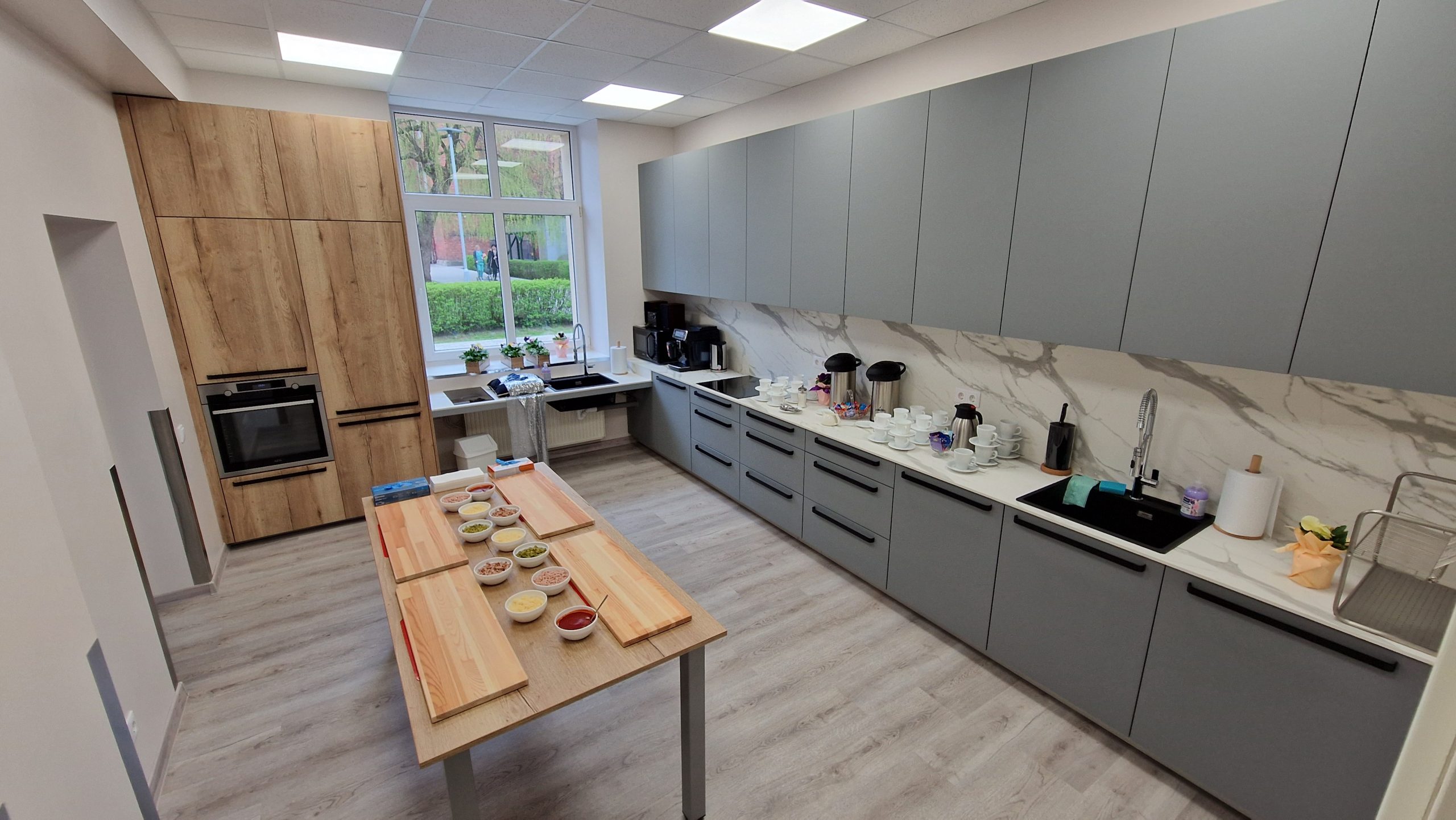
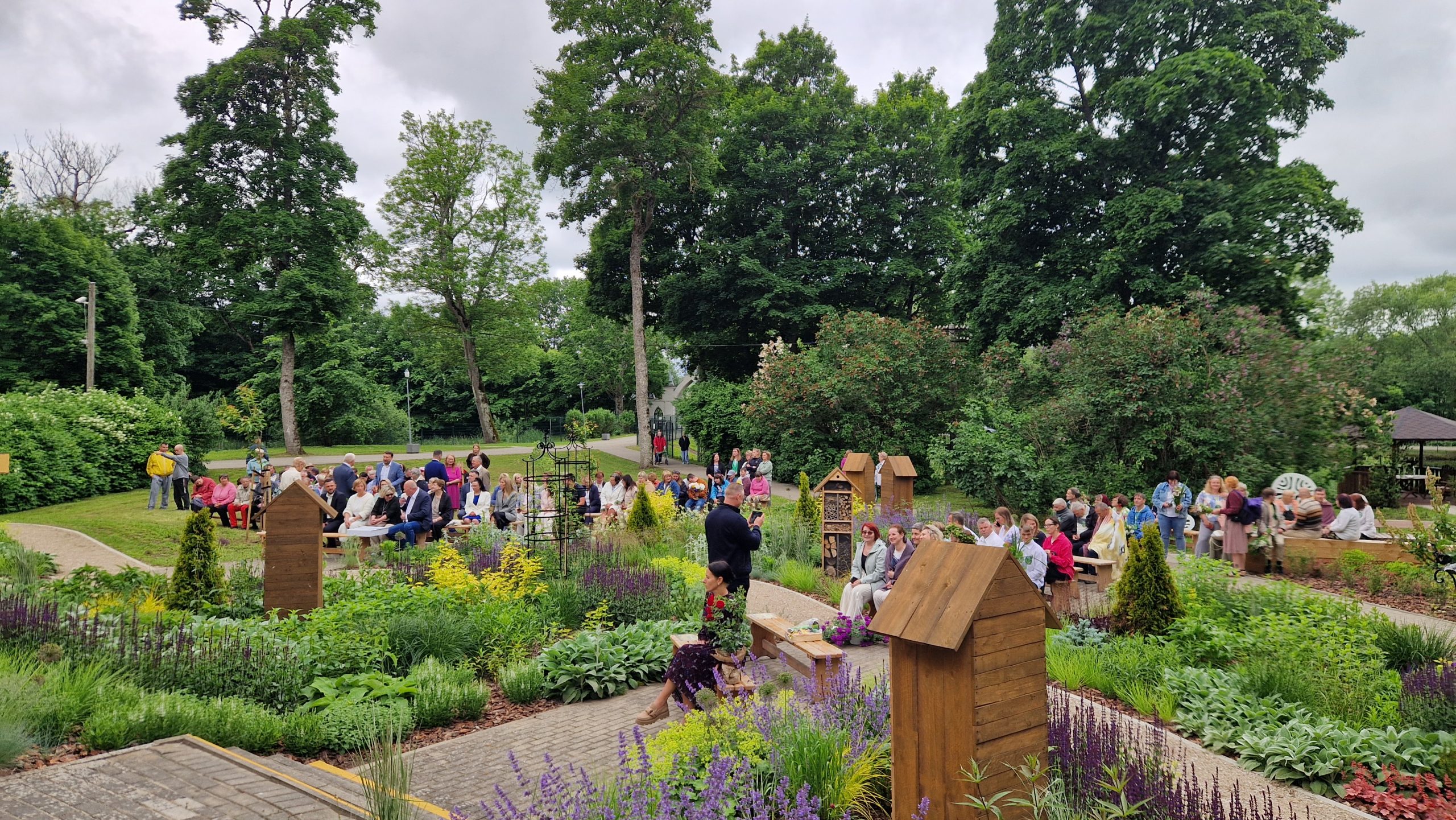
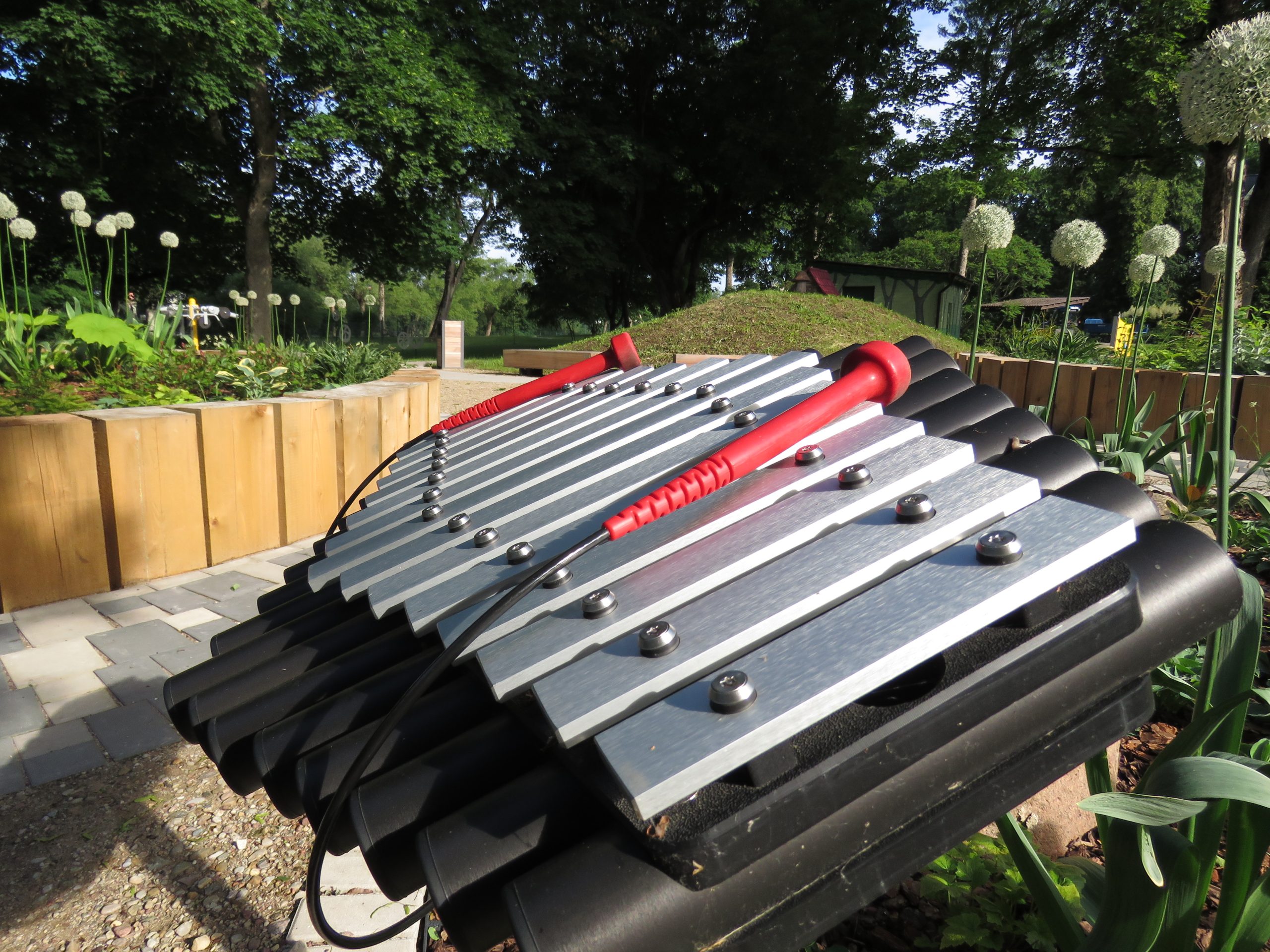
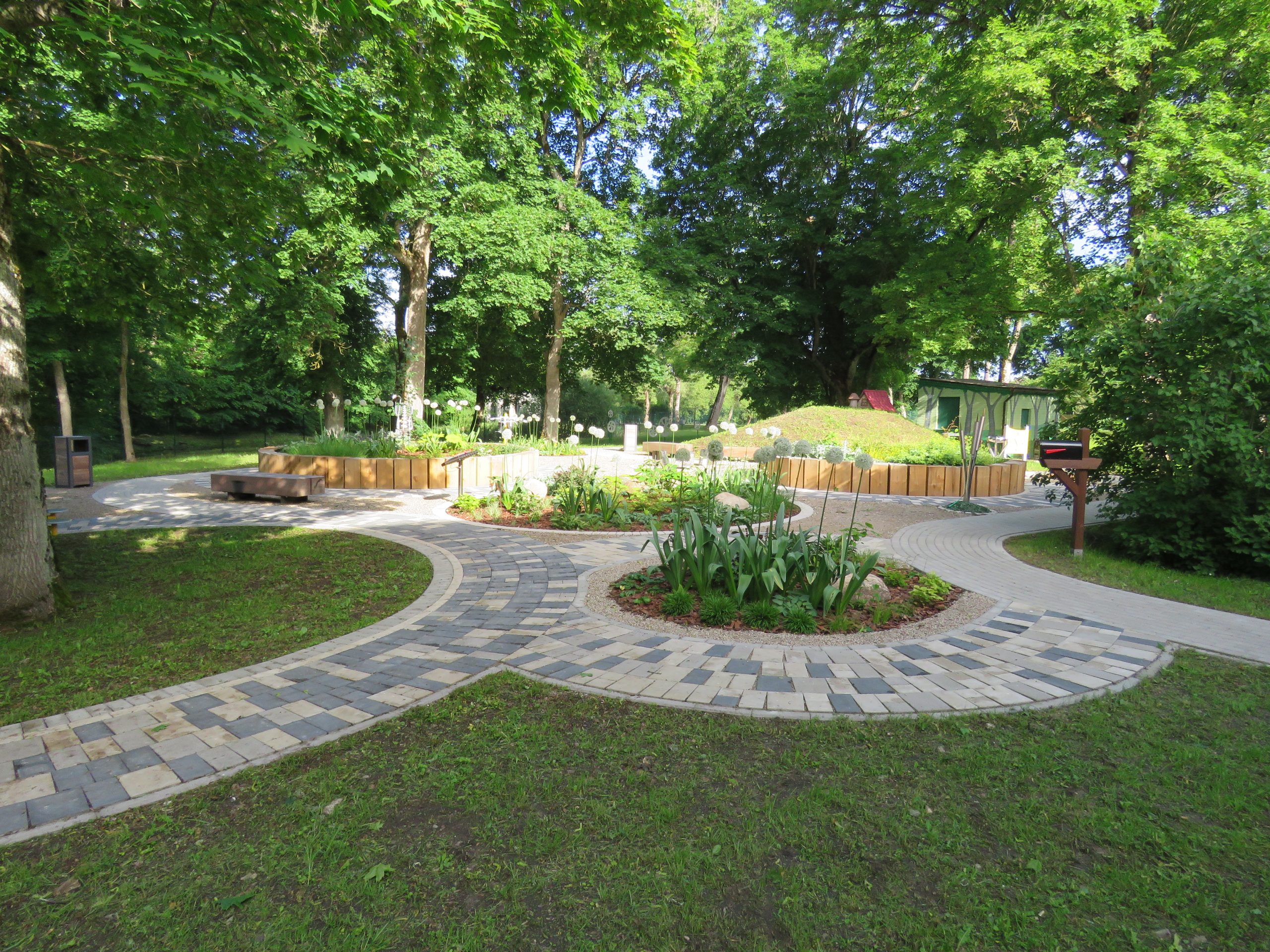
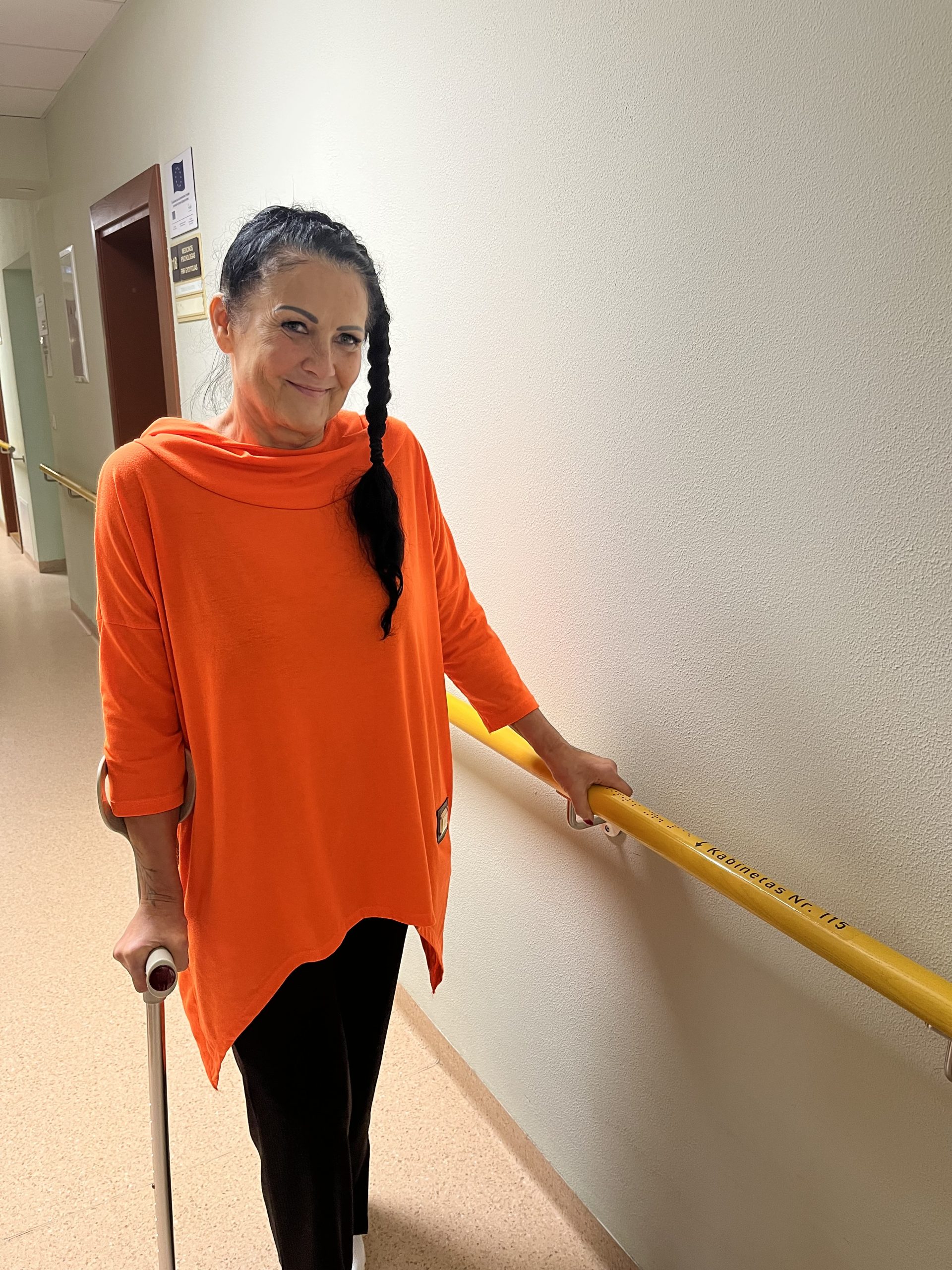
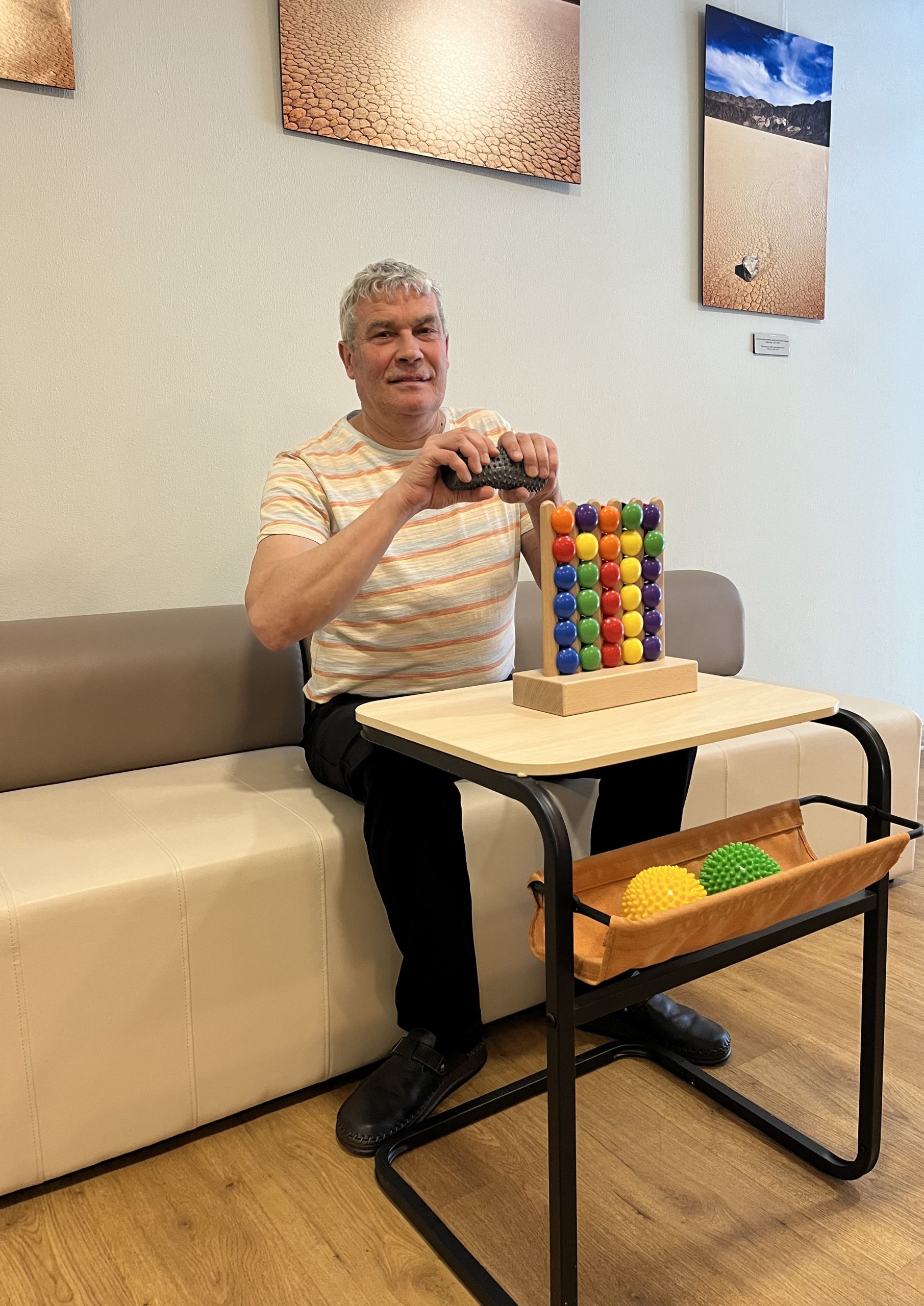
During the project, a practical methodological guide was developed to support the independent living of vulnerable groups. The project partners jointly tested the guide. Accessible sensory islands for autonomous rehabilitation were established at both partner institutions. SSCC "Kurzeme" created a sensory garden infrastructure and a social skills laboratory. To improve accessibility for patients, especially people with disabilities and visual impairments, a modern elevator and Braille handrails were installed at the Palanga "Pušynas" Rehabilitation Branch of the PI Republican Hospital of Klaipėda. Training courses for rehabilitation specialists working with vulnerable groups were organized, focusing on physical, psychiatric, and behavioral disorders, as well as the use of autonomous devices and indoor and outdoor sensory islands. The project partners actively informed society about the development and implementation of measures supporting the independent living of vulnerable groups in their institutions.Project results
Through close cross-border cooperation, the project partners successfully introduced innovative rehabilitation solutions to strengthen the social inclusion and independent living of vulnerable groups in Lithuania and Latvia. Key project achievements include:
– A practical methodological guide for developing social skills through autonomous sensory rehabilitation was developed, tested with 672 patients, integrated into the partners’ rehabilitation services, and is publicly available:
Methodology for Supporting and Developing Social Skills to Enhance the Social Inclusion of Vulnerable Groups through Autonomous Activities in Rehabilitation Centres in Lithuanian.
Methodology for Supporting and Developing Social Skills to Enhance the Social Inclusion of Vulnerable Groups through Autonomous Activities in Rehabilitation Centres in Latvian.
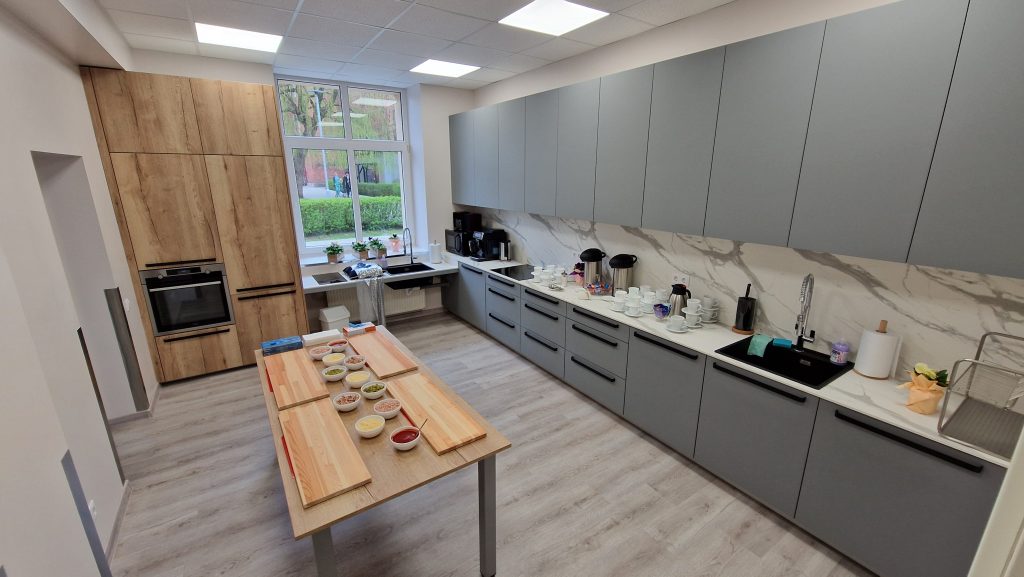
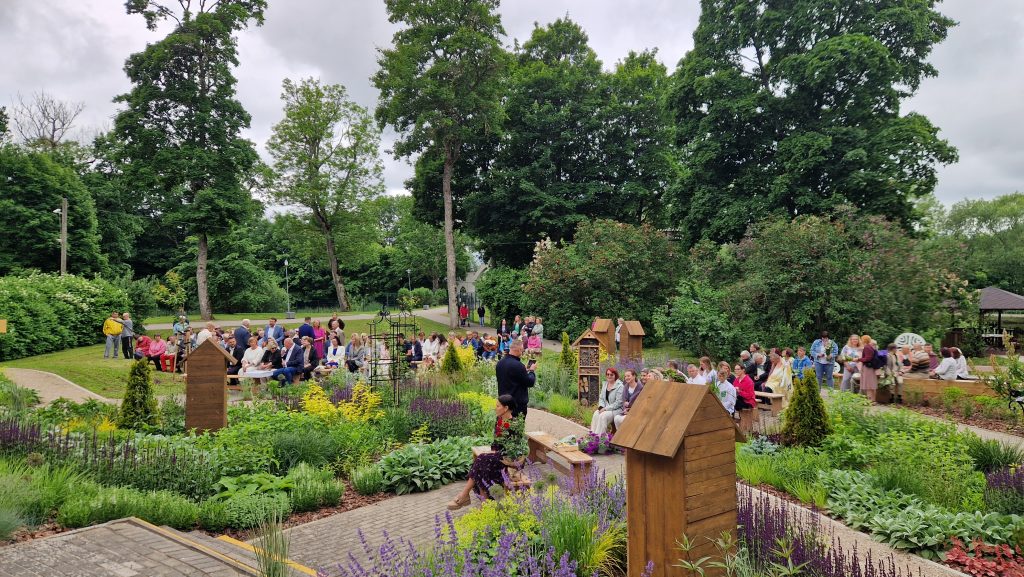
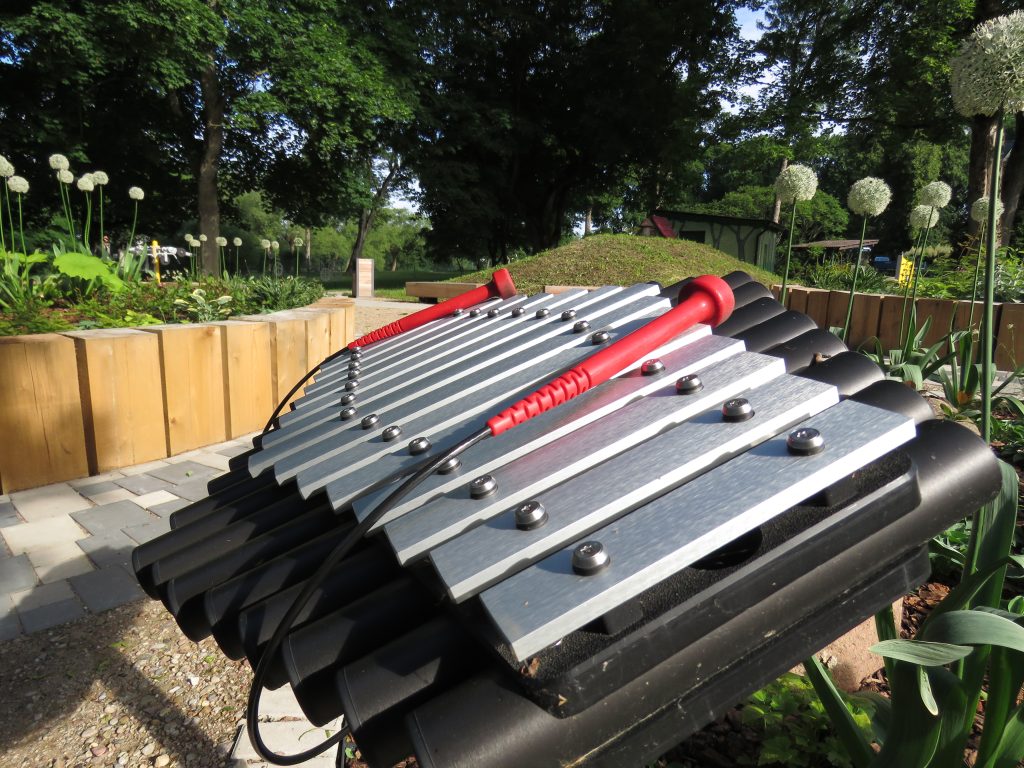
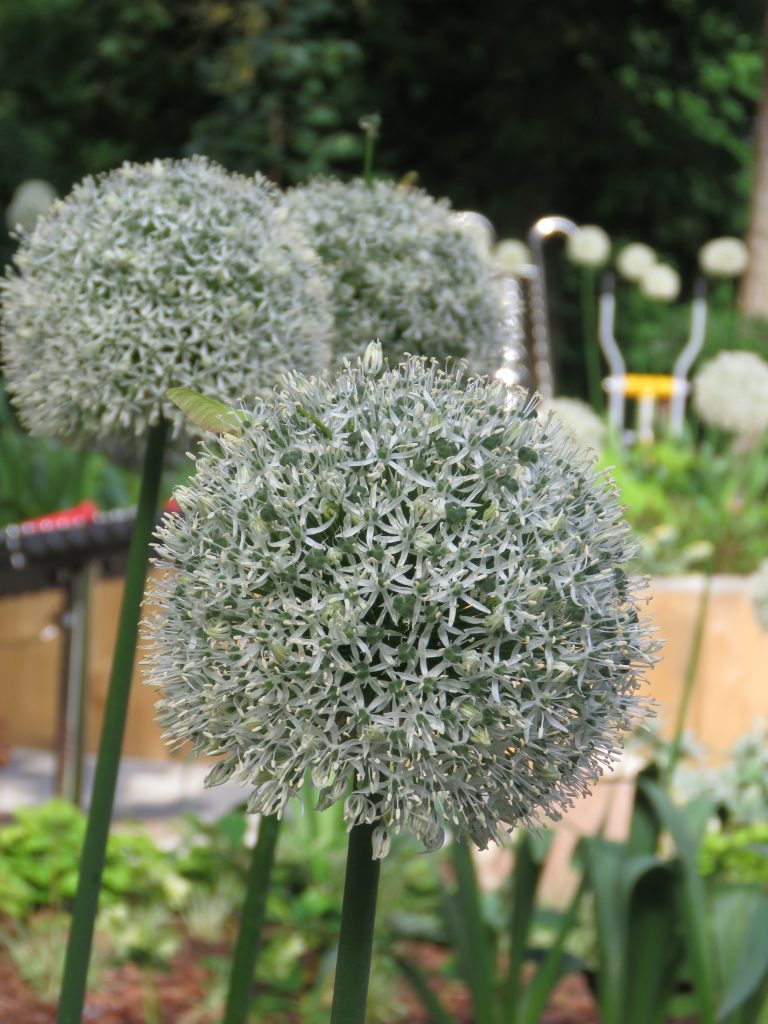
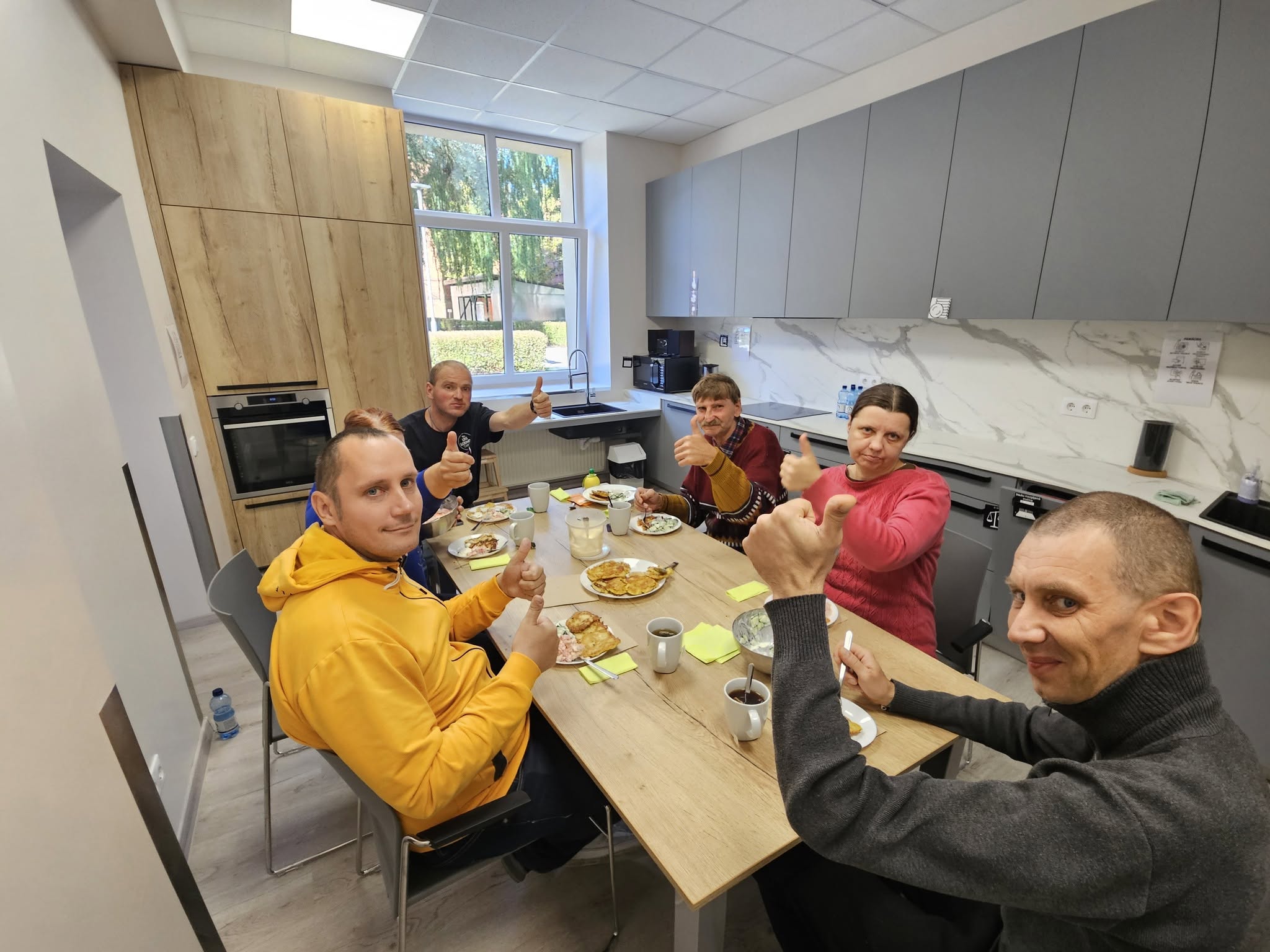
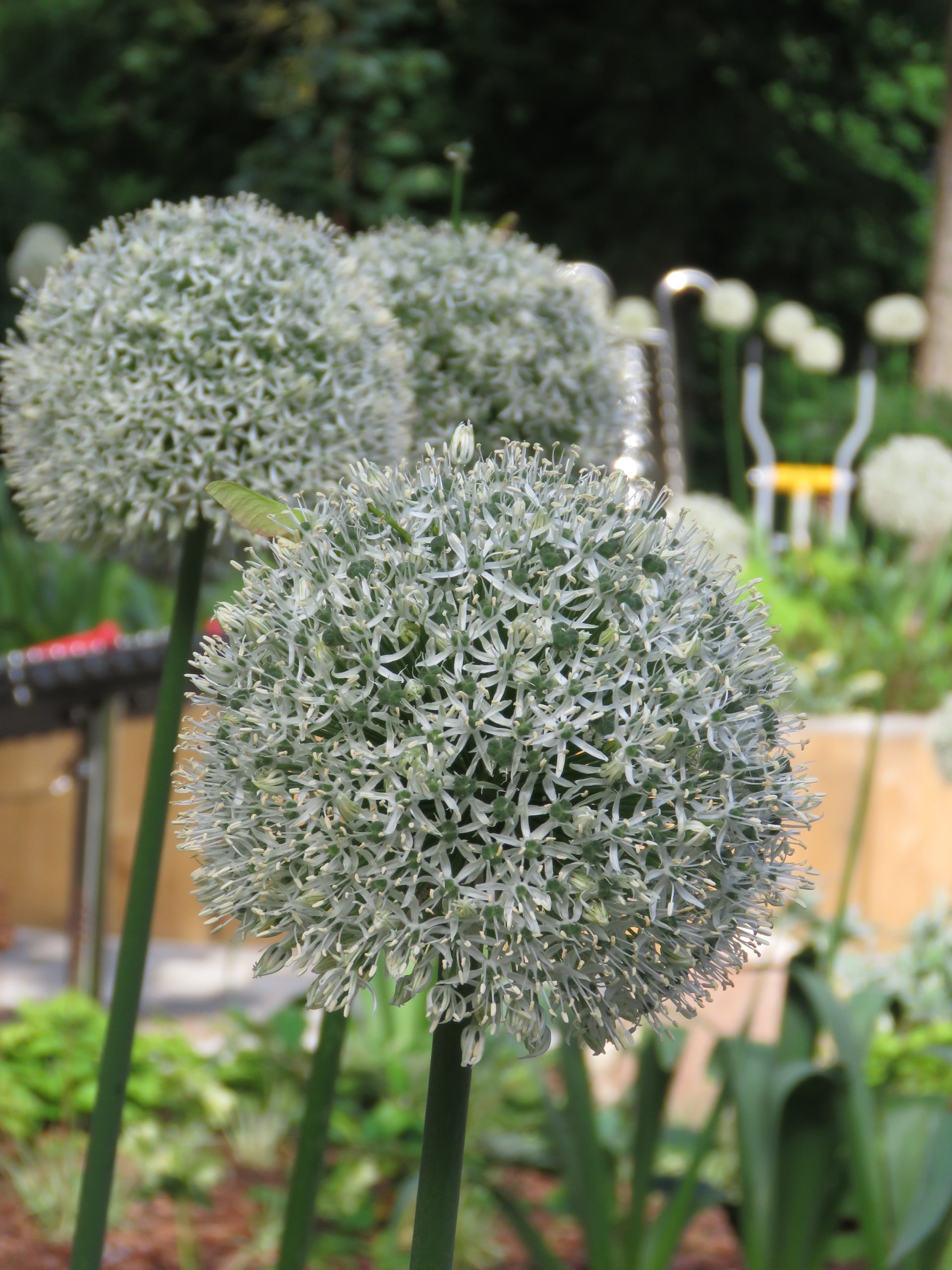
– Accessible sensory rehabilitation environments were established in both partner institutions to support the implementation of the developed methodology. Rehabilitation Branch “Pušynas” created three sensory islands and improved accessibility by installing a modern elevator and Braille handrails, while SSCC “Kurzeme” established a Sensory Garden and a Social Skills Laboratory, providing dedicated environments for the practical application of the methodology.
– Pilot testing and expert evaluation confirmed the practical value of the new methodology. Specialists from both countries jointly assessed the results and provided recommendations for further integration into rehabilitation services.
– Rehabilitation specialists enhanced their competences through joint international training sessions, practical workshops, and expert discussions focused on sensory rehabilitation, autonomous rehabilitation methods, and social skills development for vulnerable groups.
– Knowledge dissemination was ensured through the international scientific conference “Rehabilitation without Borders: Between Tradition and Innovation”, which brought together around 250 healthcare professionals from Lithuania and Latvia. The conference served as a platform to present the newly developed methodology, share project results, and promote their wider application in rehabilitation practice.
The project created sustainable rehabilitation tools, strengthened cross-border cooperation, and laid the foundation for long-term improvements in rehabilitation services, enabling more effective support for vulnerable people and promoting their independent participation in society.
Social media and contacts:
Phone: +370 612 52545
E-mail: projektai@palangapusynas.lt
Website: https://palangapusynas.lt
Address: Žvejų 1, 00137 Palanga, Lithuania